Urinothorax: a systematic review
- PMID: 28616270
- PMCID: PMC5465116
- DOI: 10.21037/jtd.2017.04.22
Urinothorax: a systematic review
Abstract
Background: The characteristics of patients with urinothorax (UT) are poorly defined.
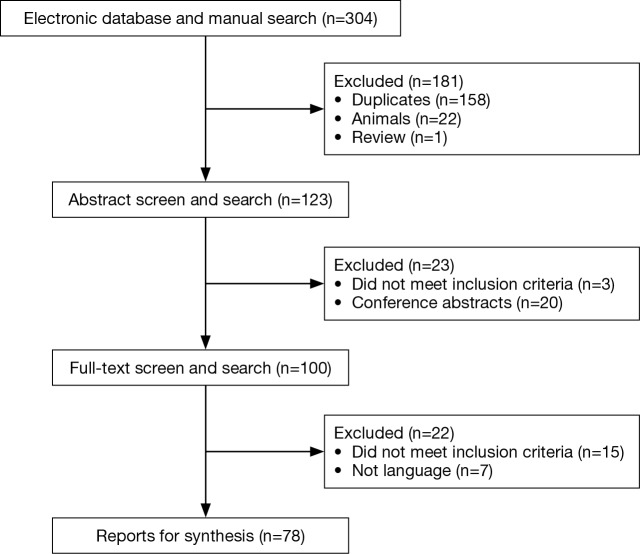
Methods: A systematic review was performed searching for studies reporting clinical findings, pleural fluid (PF) characteristics, and the most effective treatment of UT. Case descriptions and retrospective studies were included.
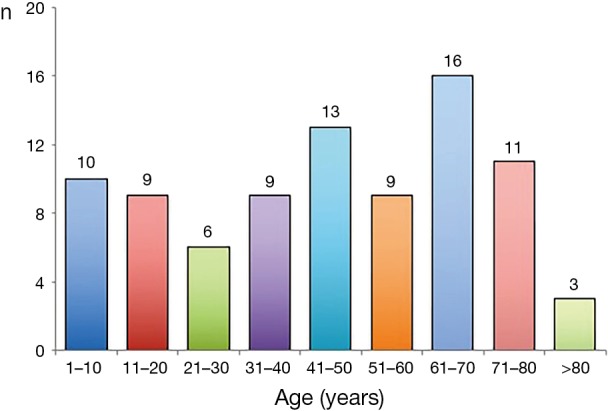
Results: The review included 78 studies with a total of 88 patients. Median age was 45 years, male/female ratio was 1.6:1 and in 76% of cases the etiology was trauma. Pleural effusion (PE) was predominantly unilateral (87%) and occupied over 2/3 of the hemithorax in most cases (64.4%). PF was straw-colored (72.7%) or hematic (27.3%) with urine-like odor in all cases. PF was transudate in 56.2% of cases (18/32) and among 14 exudates (43.8%), 3 were concordant exudates, 1 protein-discordant and 10 LDH-discordant, with lymphocyte (44.4%) and neutrophil (38.5%) predominance. The PF/serum (PF/S) creatinine ratio was >1 in all cases except one (97.9%). The diagnosis was established on the basis of PF/S creatinine ratio >1 (56.6%), urinary tract contrast extravasation (12%), abnormal computed tomography (8.4%), laparotomy findings (6%), and association of obstructive uropathy with PE (6%). The outcome was favorable (74/77; 96.1%) when treatment was direct towards the uropathy (alone or associated with thoracentesis/thoracic drainage). Outcome was unfavorable in the 15 patients who were only treated with thoracentesis/thoracic drainage.
Conclusions: UT is usually traumatic, unilateral, and PF does not have a specific pattern or cellularity predominance, with a PF/S creatinine ratio almost always >1. Treatment should include the uropathy, with or without PF evacuation.
Keywords: Pleural effusion (PE); pleural fluid (PF); urinothorax (UT); urothorax.
Conflict of interest statement
Conflicts of Interest: The authors have no conflicts of interest to declare.
Figures
References
LinkOut - more resources
Full Text Sources
Other Literature Sources