


Population structure of the soft tick Ornithodoros maritimus and its associated infectious agents within a colony of its seabird host Larus michahellis
- PMID: 28620577
- PMCID: PMC5460746
- DOI: 10.1016/j.ijppaw.2017.05.001
Population structure of the soft tick Ornithodoros maritimus and its associated infectious agents within a colony of its seabird host Larus michahellis
Abstract
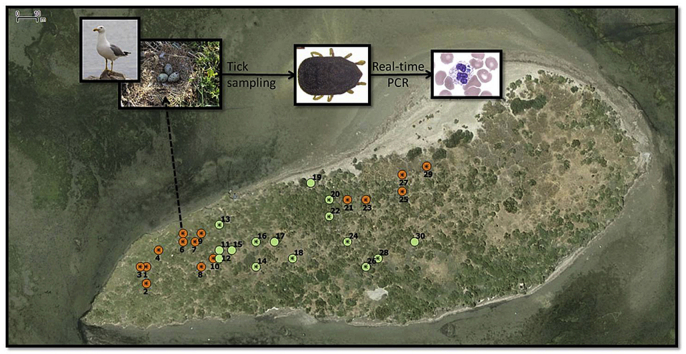
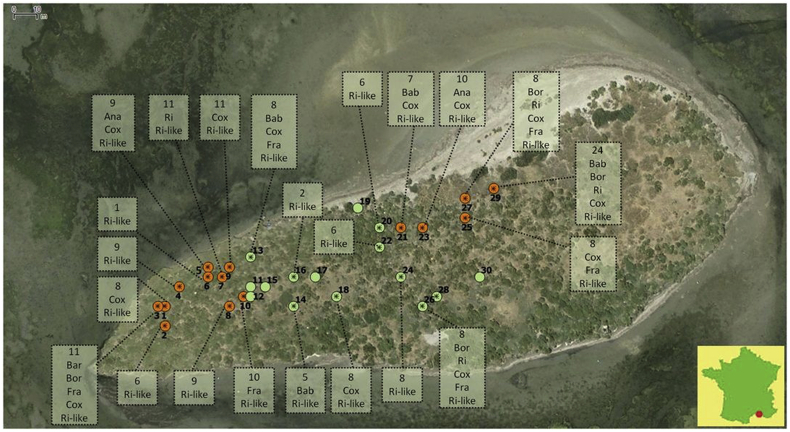
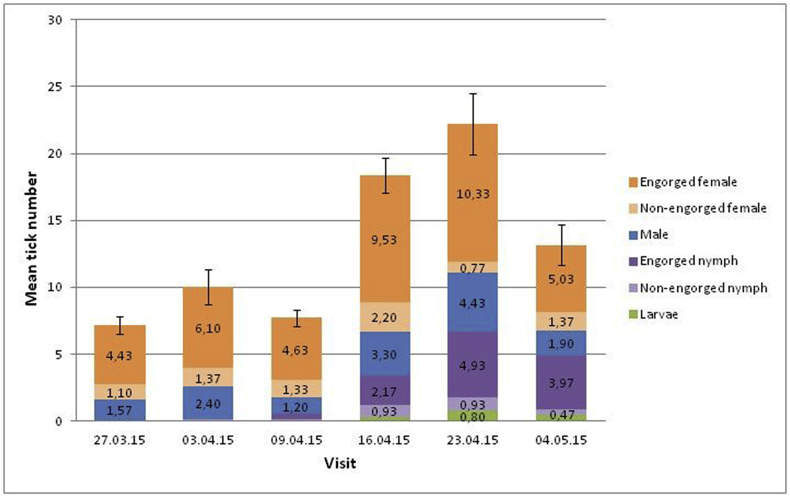
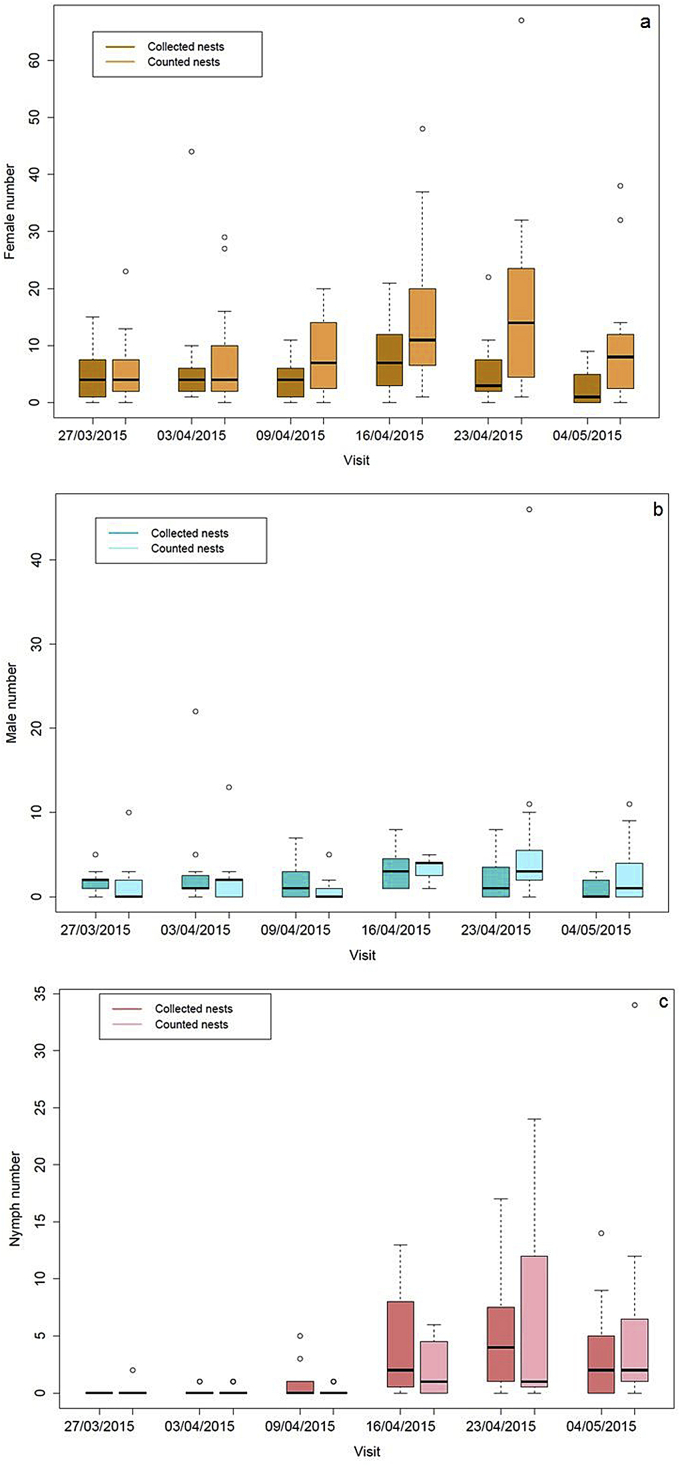
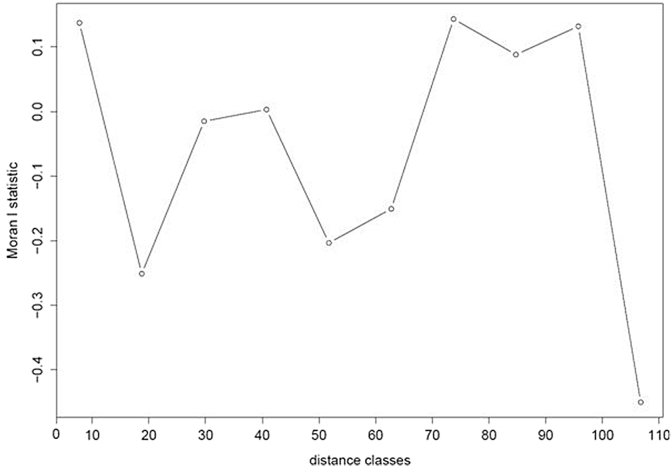
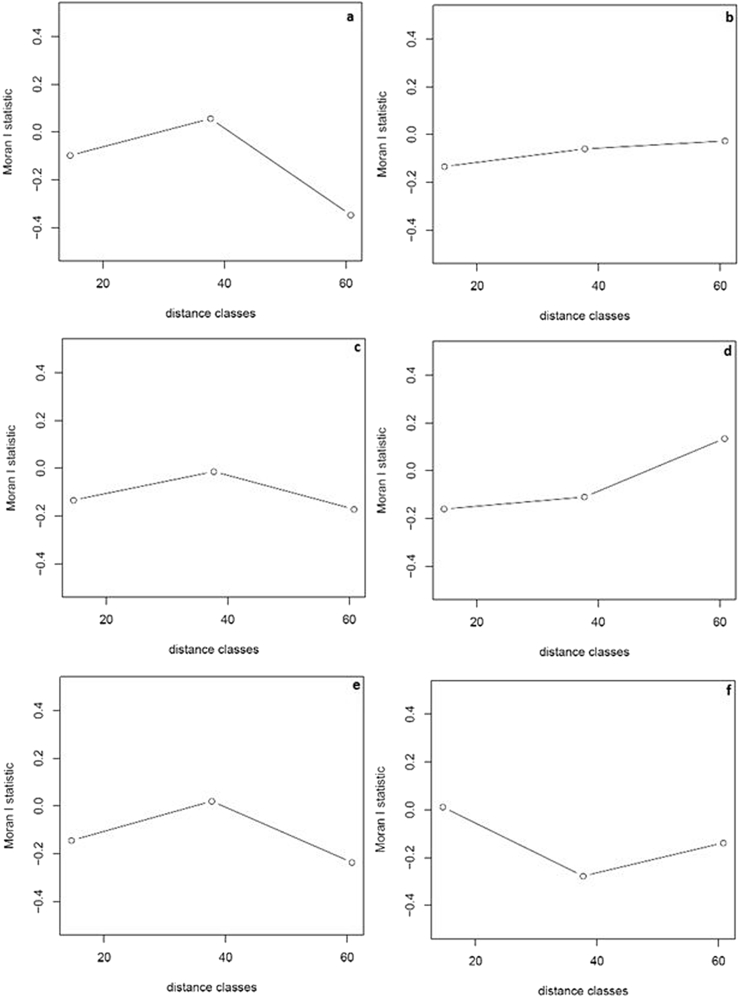
The epidemiology of vector-borne zoonoses depends on the movement of both hosts and vectors, which can differ greatly in intensity across spatial scales. Because of their life history traits and small size, vector dispersal may be frequent, but limited in distance. However, little information is available on vector movement patterns at local spatial scales, and particularly for ticks, transmitting the greatest diversity of recognized infectious agents. To test the degree to which ticks can disperse and disseminate pathogens at local scales, we investigated the temporal dynamics and population structure of the soft tick Ornithodoros maritimus within a colony of its seabird host, the Yellow-legged gull Larus michahellis. Ticks were repeatedly sampled at a series of nests during the host breeding season. In half of the nests, ticks were collected (removal sampling), in the other half, ticks were counted and returned to the nest. A subsample of ticks was screened for known bacteria, viruses and parasites using a high throughput real-time PCR system to examine their distribution within the colony. The results indicate a temporal dynamic in the presence of tick life stages over the season, with the simultaneous appearance of juvenile ticks and hatched chicks, but no among-nest spatial structure in tick abundance. Removal sampling significantly reduced tick numbers, but only from the fourth visit onward. Seven bacterial isolates, one parasite species and one viral isolate were detected but no spatial structure in their presence within the colony was found. These results suggest weak isolation among nests and that tick dispersal is likely frequent enough to quickly recolonize locally-emptied patches and disseminate pathogens across the colony. Vector-mediated movements at local scales may therefore play a key role in pathogen emergence and needs to be considered in conjunction with host movements for predicting pathogen circulation and for establishing effective control strategies.
Keywords: Argasidae; Dispersal; Epidemiology; Within-nest dynamics.
Figures
References
-
- Abrahan L.B., Gorla D.E., Catalá S.S. Dispersal of Triatoma infestans and other Triatominae species in the arid Chaco of Argentina: flying, walking or passive carriage? The importance of walking females. Memórias do Inst. Oswaldo Cruz. 2011;106:232–239. - PubMed
-
- Adeyeye O.A., Butler J.F. Population structure and seasonal intra-burrow movement of Ornithodoros turicata (Acari: argasidae) in gopher tortoise burrows. J. Med. entomology. 1989;26:279–283. - PubMed
-
- Al-Deeb M.A., Frangoulidis D., Walter M.C., Kömpf D., Fischer S.F., Petney T., Muzaffar S.B. Coxiella-like endosymbiont in argasid ticks (Ornithodoros muesebecki) from a socotra cormorant colony in umm Al quwain, United Arab Emirates. Ticks Tick-borne Dis. 2016 - PubMed
-
- Arnal A., Gómez-Díaz E., Cerdà-Cuéllar M., Lecollinet S., Pearce-Duvet J., Busquets N., García-Bocanegra I., Pagès N., Vittecoq M., Hammouda A., Samraoui B., Garnier R., Ramos R., Selmi S., González-Solís J., Jourdain E., Boulinier T. Circulation of a Meaban-like virus in Yellow-legged gulls and seabird ticks in the western Mediterranean basin. PLoS One. 2014;9:e89601. - PMC - PubMed
-
- Balança G., Gaidet N., Savini G., Vollot B., Foucart A., Reiter P., Boutonnier A., Lelli R., Monicat F. Low West Nile virus circulation in wild birds in an area of recurring outbreaks in southern France. Vector-Borne Zoonotic Dis. 2009;9:737–741. - PubMed
LinkOut - more resources
Full Text Sources
Other Literature Sources
