Low-Dose CT With a Residual Encoder-Decoder Convolutional Neural Network
- PMID: 28622671
- PMCID: PMC5727581
- DOI: 10.1109/TMI.2017.2715284
Low-Dose CT With a Residual Encoder-Decoder Convolutional Neural Network
Abstract
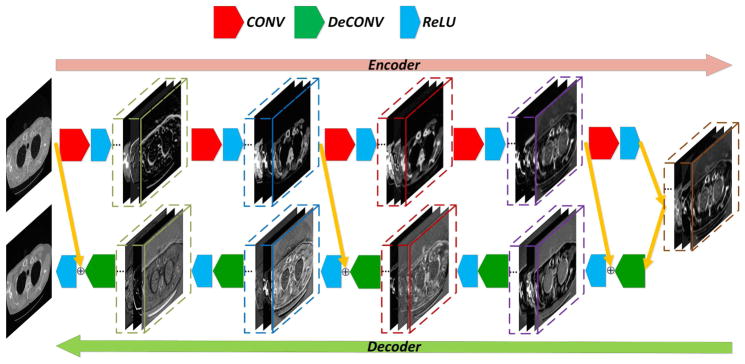
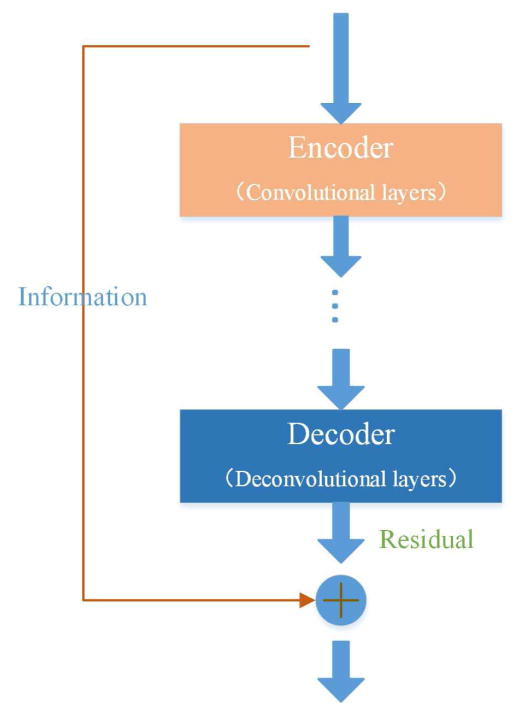
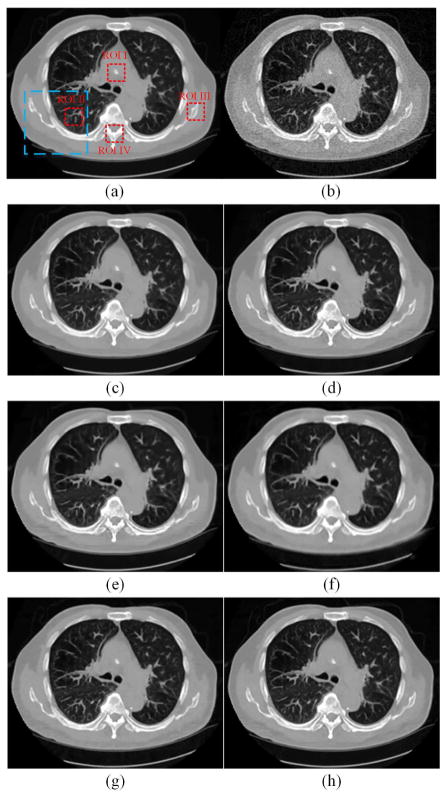
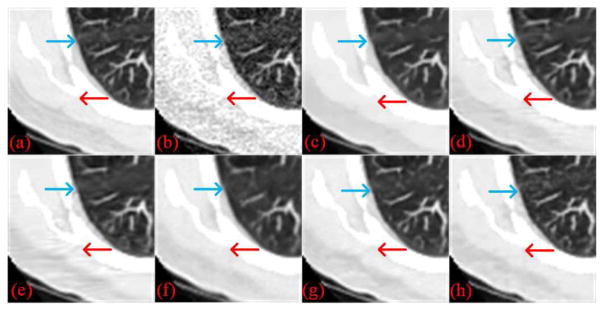
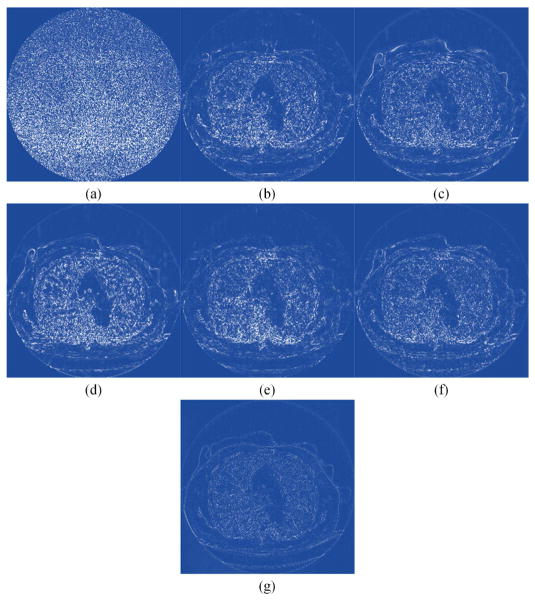
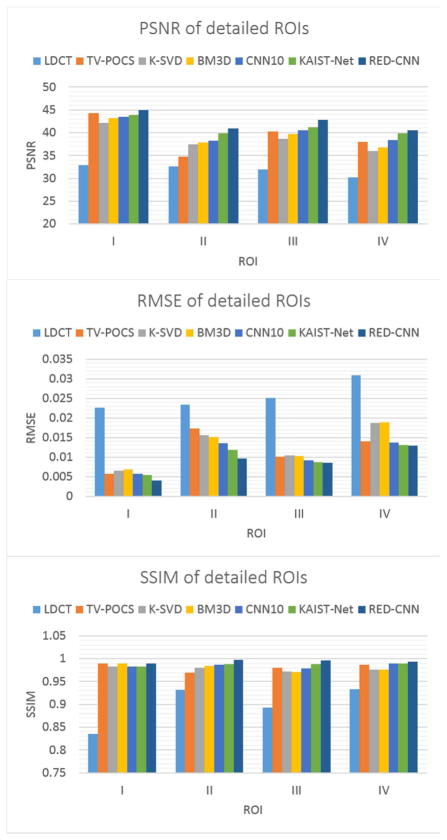
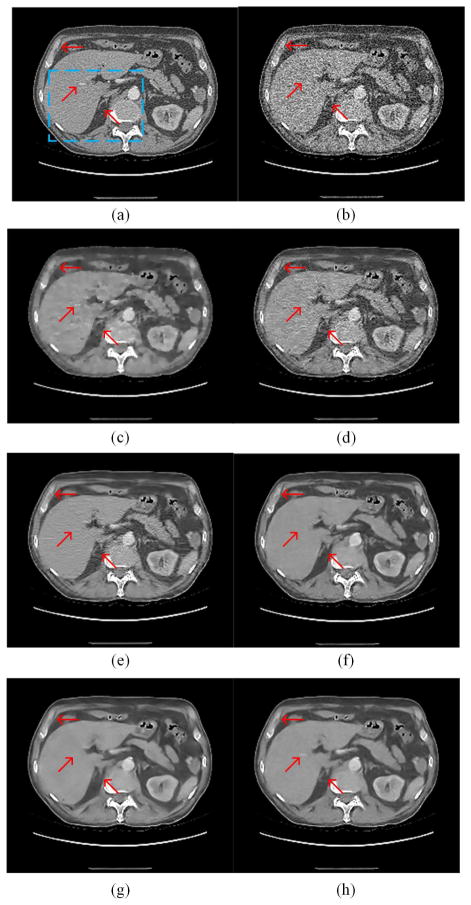
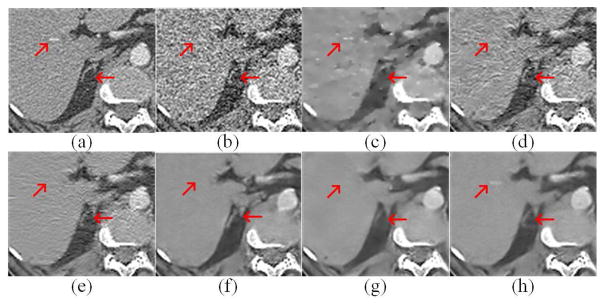
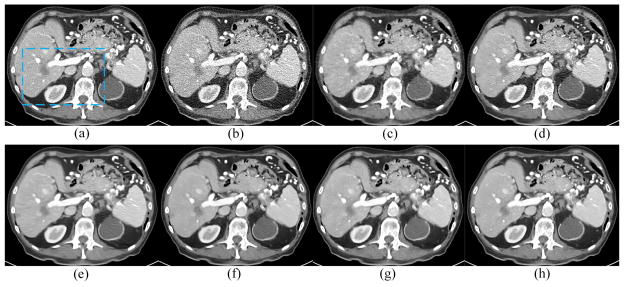
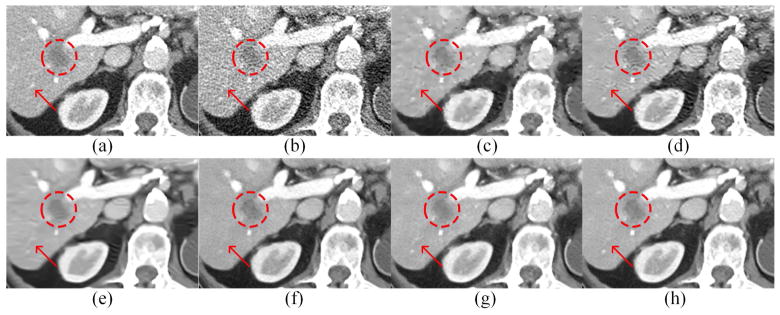
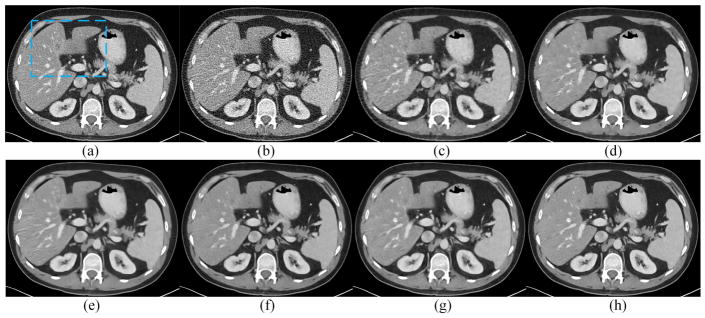
Given the potential risk of X-ray radiation to the patient, low-dose CT has attracted a considerable interest in the medical imaging field. Currently, the main stream low-dose CT methods include vendor-specific sinogram domain filtration and iterative reconstruction algorithms, but they need to access raw data, whose formats are not transparent to most users. Due to the difficulty of modeling the statistical characteristics in the image domain, the existing methods for directly processing reconstructed images cannot eliminate image noise very well while keeping structural details. Inspired by the idea of deep learning, here we combine the autoencoder, deconvolution network, and shortcut connections into the residual encoder-decoder convolutional neural network (RED-CNN) for low-dose CT imaging. After patch-based training, the proposed RED-CNN achieves a competitive performance relative to the-state-of-art methods in both simulated and clinical cases. Especially, our method has been favorably evaluated in terms of noise suppression, structural preservation, and lesion detection.
Figures
References
-
- Brenner DJ, Hall EJ. Computed tomography-An increasing source of radiation exposure. New Eng J Med. 2007;357(22):2277–2284. - PubMed
-
- Balda M, Hornegger J, Heismann B. Ray contribution masks for structure adaptive sinogram filtering. IEEE Trans Med Imaging. 2011;30(5):1116–1128. - PubMed
-
- Donoho DL. Compressed sensing. IEEE Trans Inf Theory. 2006;52(4):1289–1306.
MeSH terms
Grants and funding
LinkOut - more resources
Full Text Sources
Other Literature Sources
Medical