


Clozapine-Induced Gastrointestinal Hypomotility: A 22-Year Bi-National Pharmacovigilance Study of Serious or Fatal 'Slow Gut' Reactions, and Comparison with International Drug Safety Advice
- PMID: 28623627
- PMCID: PMC5533872
- DOI: 10.1007/s40263-017-0448-6
Clozapine-Induced Gastrointestinal Hypomotility: A 22-Year Bi-National Pharmacovigilance Study of Serious or Fatal 'Slow Gut' Reactions, and Comparison with International Drug Safety Advice
Abstract
Introduction: Clozapine is the preferred antipsychotic for treatment-resistant schizophrenia, but has significant adverse effects, including gastrointestinal hypomotility or 'slow gut', which may result in severe constipation, ileus, bowel obstruction, and even death. These gastrointestinal effects remain inadequately recognized.
Methods: We reviewed all reports of serious clozapine-induced gastrointestinal hypomotility (CIGH) submitted to the Australian Therapeutic Goods Administration and New Zealand Pharmacovigilance Centre between 1992 and 2013. We extracted relevant demographic, clinical, and outcome data and derived a numerator from clozapine registries. We examined whether clozapine drug safety information in Australia, New Zealand, the US, and the UK was adequate and consistent with pharmacoepidemiologic evidence.
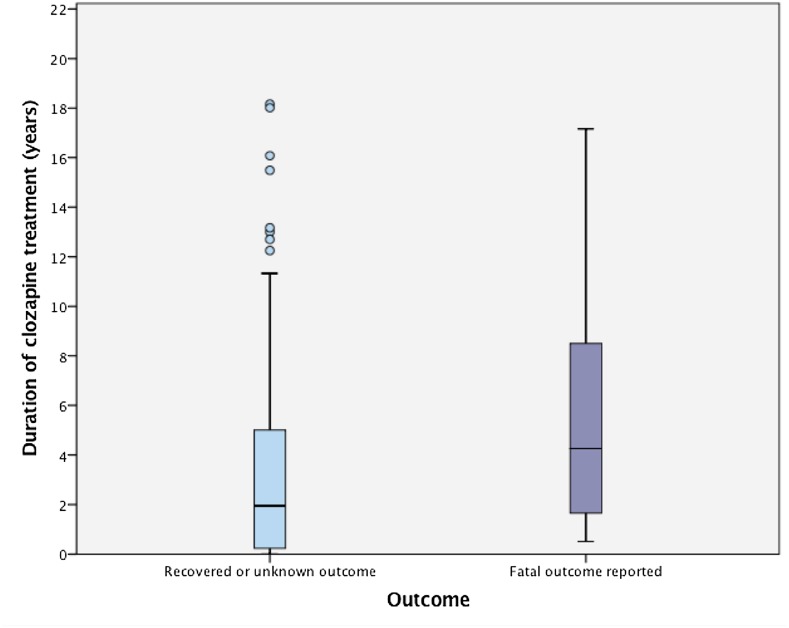
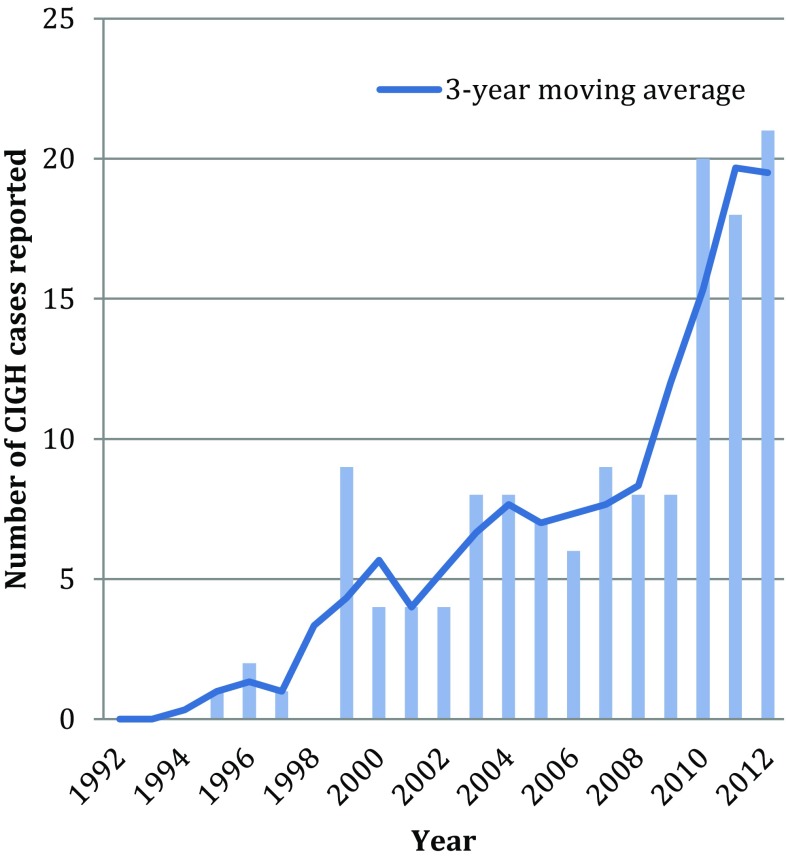
Results: A total of 43,132 people commenced clozapine over the study period. 160 were reported as having serious gastrointestinal hypomotility with clozapine the suspected cause (37/10,000 clozapine users). Of these, 66.3% were male, age range was 17-76 years, clozapine dose range 25-1000 mg/day (mean 439 mg/day) and median duration of clozapine treatment 2.5 years. Few had received laxatives. At least 29 patients died (7/10,000 clozapine users), a reported case fatality rate of 18%. The CIGH prevalence, while similar to other smaller studies, differs significantly from clozapine prescribing information issued by regulators and pharmaceutical companies, none of which mention CIGH, and which report serious gastrointestinal complications at rates of <1/10,000, almost a 40-fold difference.
Conclusion: This is the largest study to date of serious CIGH. The reported prevalence of serious CIGH was 37/10,000, a likely underestimation of true prevalence. Current prescribing guidelines provide inadequate information on CIGH. This may be contributing to poor awareness and high associated morbidity and mortality. It is time regulators and manufacturers update their guidance.
Conflict of interest statement
Funding
This study received no external funding. The open access fee was paid for by Capital and Coast District Health Board continuing medical education funds.
Conflict of interest
Susanna Every-Palmer and Pete Ellis have declared that there are no conflicts of interest in relation to the subject of this study.
Figures

References
-
- Baptista T, Carrizo E, Fernandez E, Connell L, Servigna M, Parra A, et al. Colonic transit diagnostic test shows significant gastrointestinal hypomotility in clozapine-treated patients in comparison with subjects treated with other antipsychotics. Schizophr Res. 2015;166:4. doi: 10.1016/j.schres.2015.05.025. - DOI - PubMed
MeSH terms
Substances
LinkOut - more resources
Full Text Sources
Other Literature Sources
