


Genome-wide analysis of codon usage bias in Bovine Coronavirus
- PMID: 28623921
- PMCID: PMC5474002
- DOI: 10.1186/s12985-017-0780-y
Genome-wide analysis of codon usage bias in Bovine Coronavirus
Abstract
Background: Bovine coronavirus (BCoV) belong to the genus Betacoronavirus of the family Coronaviridae. BCoV are widespread around the world and cause enteric or respiratory infections among cattle, leading to important economic losses to the beef and dairy industry worldwide. To study the relation of codon usage among viruses and their hosts is essential to understand host-pathogen interaction, evasion from host's immune system and evolution.
Methods: We performed a comprehensive analysis of codon usage and composition of BCoV.
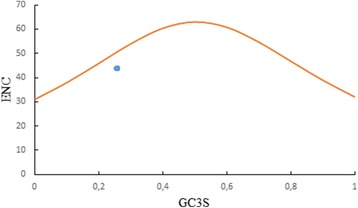
Results: The global codon usage among BCoV strains is similar. Significant differences of codon preferences in BCoV genes in relation to codon usage of Bos taurus host genes were found. Most of the highly frequent codons are U-ending. G + C compositional constraint and dinucleotide composition also plays a role in the overall pattern of BCoV codon usage.
Conclusions: The results of these studies revealed that mutational bias is a leading force shaping codon usage in this virus. Additionally, relative dinucleotide frequencies, geographical distribution, and evolutionary processes also influenced the codon usage pattern.
Keywords: Bovine; Codon usage; Coronavirus; Evolution.
Figures
References
Publication types
MeSH terms
Substances
LinkOut - more resources
Full Text Sources
Other Literature Sources
