Review
. 2017 May 15:114:285-300.
doi: 10.1016/j.addr.2017.06.010. Epub 2017 Jun 15.

Drug discovery and therapeutic delivery for the treatment of B and T cell tumors

Affiliations
Review

Drug discovery and therapeutic delivery for the treatment of B and T cell tumors

Regan Stephenson et al. Adv Drug Deliv Rev. .

Abstract

Hematological malignancies manifest as lymphoma, leukemia, and myeloma, and remain a burden on society. From initial therapy to endless relapse-related treatment, societal burden is felt not only in the context of healthcare cost, but also in the compromised quality of life of patients. Long-term therapeutic strategies have become the standard in keeping hematological malignancies at bay as these cancers develop resistance to each round of therapy with time. As a result, there is a continual need for the development of new drugs to combat resistant disease in order to prolong patient life, if not to produce a cure. This review aims to summarize advances in targeting lymphoma, leukemia, and myeloma through both cutting-edge and well established platforms. Current standard of treatment will be reviewed for these malignancies and emphasis will be made on new therapy development in the areas of antibody engineering, epigenetic small molecule inhibiting drugs, vaccine development, and chimeric antigen receptor cell engineering. In addition, platforms for the delivery of these and other drugs will be reviewed including antibody-drug conjugates, micro- and nanoparticles, and multimodal hydrogels. Lastly, we propose that tissue engineered constructs for hematological malignancies are the missing link in targeted drug discovery alongside mouse and patient-derived xenograft models.

Keywords: B cell receptor; Biomaterial; EZH2; Epigenetic inhibitors; Leukemia; Lymphoma; Multiple myeloma; Nanoparticles; Vaccine.


Figures

Figure 1
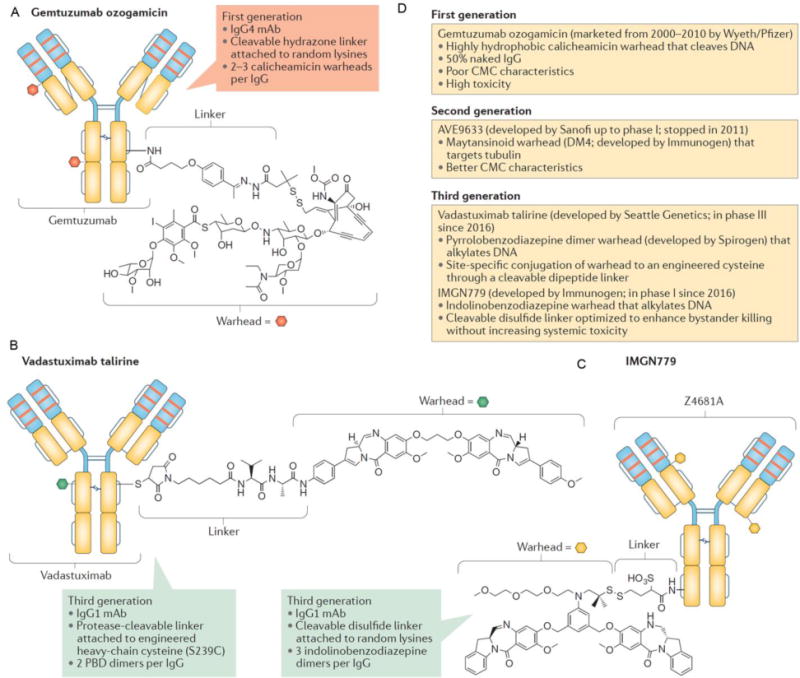
Figure 1. Components of antibody-drug conjugates for targeting acute myeloid leukemia
(A) Structure of first generation antibody-drug conjugate, gemtuzumab ozogamacin, including humanized anti-CD33 IgG4 monoclonal antibody, hydrazine linker at lysine residues, and calicheamicin drug. (B) Components of third generation vadastuxumab talirine including anti- CD33 humanized monoclonal antibody with two drug warheads of pyrrolobenzodiaezpine connected by protease cleavable linker. (C) Components of third generation antibody-drug conjugate IMGN779 including humanized IgG1 monoclonal antibody with three drug units consisting of a cleavable disulfide linker and indolinobenzodiazepine. (D) Summary of benefits and trade-offs for utilizing first, second, or third generation antibody-drug conjugates for treatment of acute myeloid leukemia. Adapted with permission from.
Figure 2
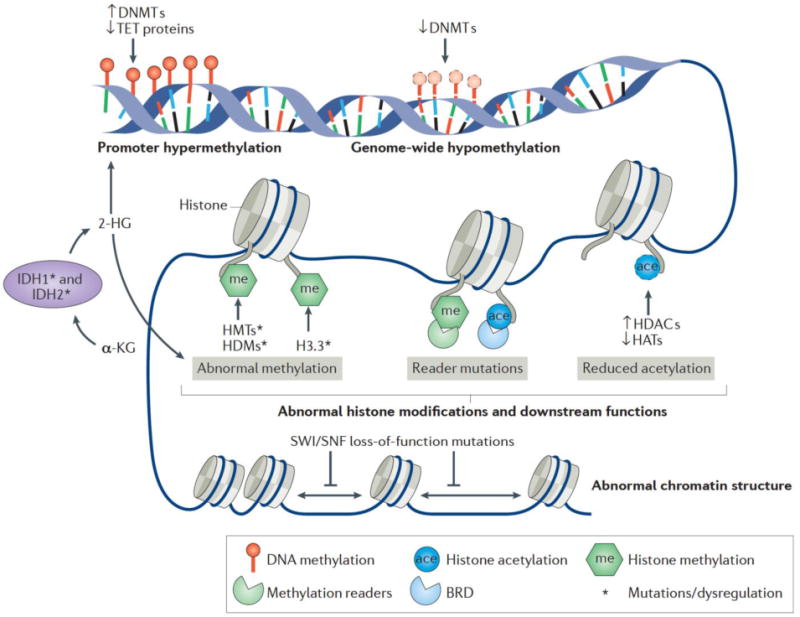
Figure 2. Effector sites of epigenetic regulator drugs
Upregulation of DNMTs and HDACS alter gene transcription leading to human cancers including hematological malignancies. Similarly, loss of TET supporting proteins leads to decreased gene transcription. DNMT, IDH1, and IDH2 inhibitors inhibit DNA methylation pathways to mitigate loss of function, gene down regulation from methylation. Other epigenetic regulators function through histone modifications that can lead to abnormal chromatin compaction. These include HDACs which reduce acetylation and histone methyl transferases (HMTs) which promote histone methylation. EZH2 inhibitors target the EZH2 HMT to reduce histone methylation to correct gene dysregulation. Adapted with permission from.
Figure 3
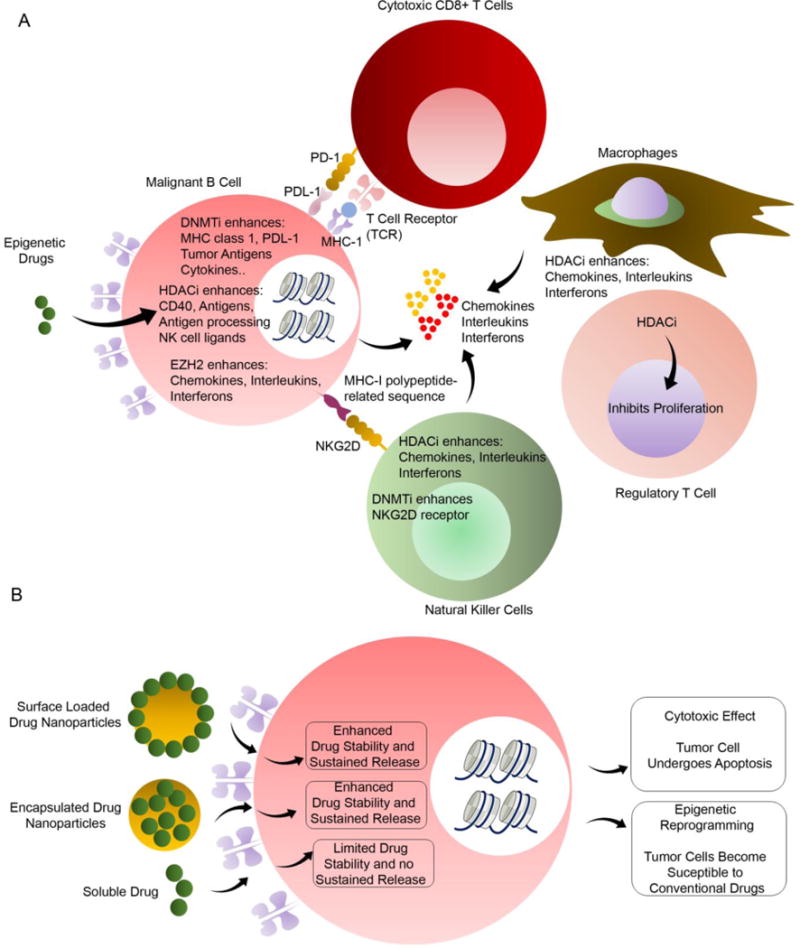
Figure 3. Effect of epigenetic inhibitors on immune cells and modes of epigenetic drug delivery
(A) Epigenetic drugs offer multi-modal approach to targeting malignant B cells. While EZH2 inhibitors exclusively affect malignant B cells, HDAC inhibitors (HDACi) also enhance chemokines, interleukins, and interferons while inhibiting the proliferation of regulatory T cells. Similarly, DNMT inhibitors (DNMTi) enhances nKGG2D receptors on natural killer cells while enhancing MHC class I, PDL-1, tumor antigens, and cytokines from malignant B cells. (B) Targeted drug delivery to cancer cells function through two pathways: cytotoxicity of cancer cells and epigenetic reprogramming through various epigenetic regulating drugs. Nanoparticle drug delivery platforms improve outcomes through enhanced drug stability and sustained drug release over soluble drug delivery paradigms.
Figure 4
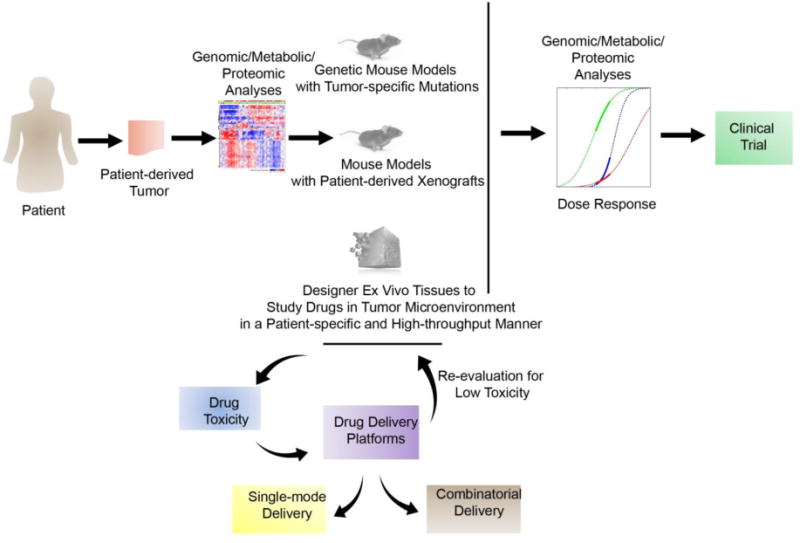
Figure 4. Proposed pathway for drug discovery and translation of therapeutics in hematological malignancies
Drug discovery is often required on a special patient- and mutation-specific basis. Understanding the oncogenic profile of patients can be achieved through genomic, metabolic, and proteomic analyses. With greater understanding of the mutation types from the patient, tumor specific cytotoxicity can be evaluated in genetic mouse models, patient derived xenograft models, or in ex vivo engineered tissues, each with distinct advantages and disadvantages. Each of these models can be used to evaluate efficacy and toxicity of drugs, followed by formulation development using biomaterials with reduced toxicity effects. Drug delivery platforms could be engineered for both single-mode and combinatorial delivery of drugs to establish improved treatment protocols for patient disease. Upon discovery of tumor-targeting drug and suitable delivery platform, dose response studies evaluating anti-tumor effect, genomic, metabolic, and proteomic changes in tumor cell response can initiate new clinical trials to treat human hematological malignancies.

References

    1. Bewtra M, Lewis JD. Update on the risk of lymphoma following immunosuppressive therapy for inflammatory bowel disease. Expert Rev Clin Immunol. 2010;6:621–631. - PMC - PubMed
    1. Roschewski M, Staudt LM, Wilson WH. Diffuse large B-cell lymphoma-treatment approaches in the molecular era. Nat Rev Clin Oncol. 2014;11:12–23. - PMC - PubMed
    1. Zhang J, et al. Genetic heterogeneity of diffuse large B-cell lymphoma. Proc Natl Acad Sci U S A. 2013;110:1398–1403. - PMC - PubMed
    1. Lenz G, et al. Stromal gene signatures in large-B-cell lymphomas. N Engl J Med. 2008;359:2313–2323. - PMC - PubMed
    1. Sehn LH, Gascoyne RD. Diffuse large B-cell lymphoma: optimizing outcome in the context of clinical and biologic heterogeneity. Blood. 2015;125:22–32. - PubMed