


Potential of Central, Eastern and Western Africa Medicinal Plants for Cancer Therapy: Spotlight on Resistant Cells and Molecular Targets
- PMID: 28626426
- PMCID: PMC5454075
- DOI: 10.3389/fphar.2017.00343
Potential of Central, Eastern and Western Africa Medicinal Plants for Cancer Therapy: Spotlight on Resistant Cells and Molecular Targets
Abstract
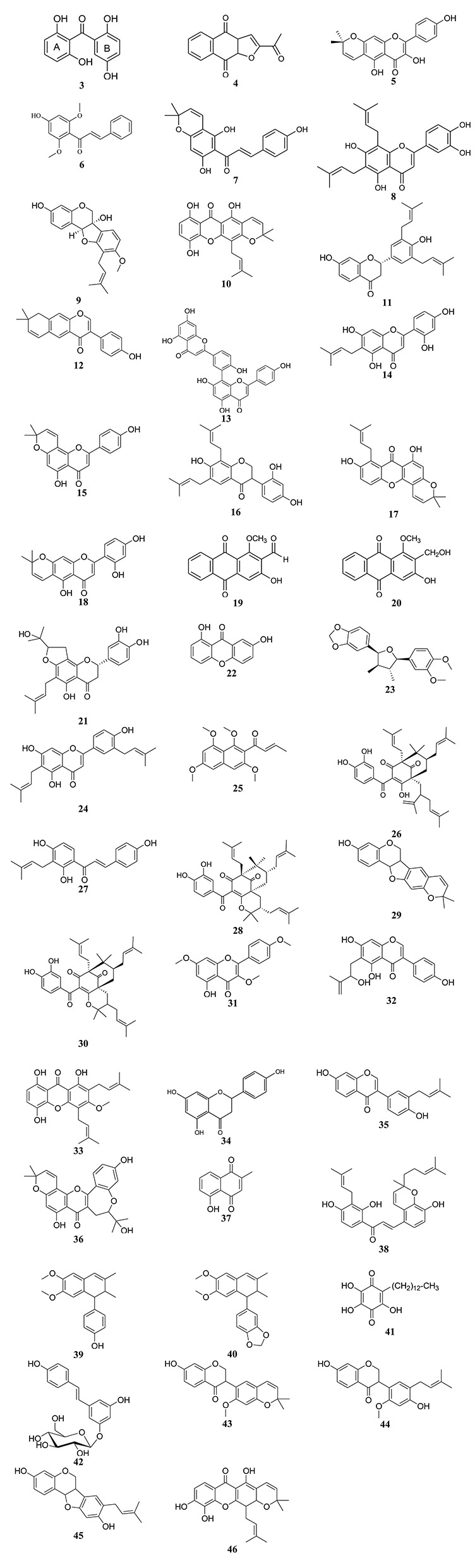
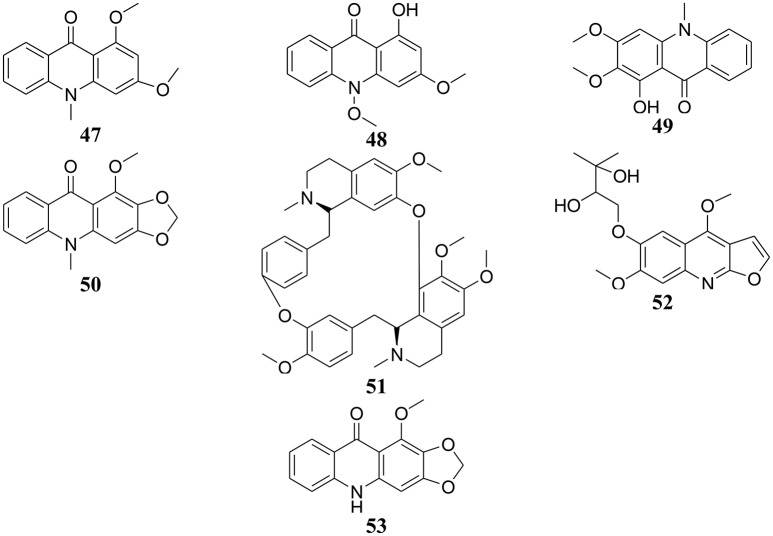
Cancer remains a major health hurdle worldwide and has moved from the third leading cause of death in the year 1990 to second place after cardiovascular disease since 2013. Chemotherapy is one of the most widely used treatment modes; however, its efficiency is limited due to the resistance of cancer cells to cytotoxic agents. The present overview deals with the potential of the flora of Central, Eastern and Western African (CEWA) regions as resource for anticancer drug discovery. It also reviews the molecular targets of phytochemicals of these plants such as ABC transporters, namely P-glycoprotein (P-gp), multi drug-resistance-related proteins (MRPs), breast cancer resistance protein (BCRP, ABCG2) as well as the epidermal growth factor receptor (EGFR/ErbB-1/HER1), human tumor suppressor protein p53, caspases, mitochondria, angiogenesis, and components of MAP kinase signaling pathways. Plants with the ability to preferentially kills resistant cancer cells were also reported. Data compiled in the present document were retrieved from scientific websites such as PubMed, Scopus, Sciencedirect, Web-of-Science, and Scholar Google. In summary, plant extracts from CEWA and isolated compounds thereof exert cytotoxic effects by several modes of action including caspases activation, alteration of mitochondrial membrane potential (MMP), induction of reactive oxygen species (ROS) in cancer cells and inhibition of angiogenesis. Ten strongest cytotoxic plants from CEWA recorded following in vitro screening assays are: Beilschmiedia acuta Kosterm, Echinops giganteus var. lelyi (C. D. Adams) A. Rich., Erythrina sigmoidea Hua (Fabaceae), Imperata cylindrical Beauv. var. koenigii Durand et Schinz, Nauclea pobeguinii (Pobég. ex Pellegr.) Merr. ex E.M.A., Piper capense L.f., Polyscias fulva (Hiern) Harms., Uapaca togoensis Pax., Vepris soyauxii Engl. and Xylopia aethiopica (Dunal) A. Rich. Prominent antiproliferative compounds include: isoquinoline alkaloid isotetrandrine (51), two benzophenones: guttiferone E (26) and isoxanthochymol (30), the isoflavonoid 6α-hydroxyphaseollidin (9), the naphthyl butenone guieranone A (25), two naphthoquinones: 2-acetylfuro-1,4-naphthoquinone (4) and plumbagin (37) and xanthone V1 (46). However, only few research activities in the African continent focus on cytotoxic drug discovery from botanicals. The present review is expected to stimulate further scientific efforts to better valorize the African flora.
Keywords: Africa; cancer; molecular targets; phytochemicals; plants; resistance.
Figures
References
-
- Abbiw D. K. (1990). Useful Plants of Ghana: West African Uses of Wild and Cultivated Plants. London: Intermediate Technology Publications; 10.3362/9781780443737 - DOI
-
- Aboul-Enein A. M., Shanab S. M., Shalaby E. A., Zahran M. M., Lightfoot D. A., El-Shemy H. A. (2014). Cytotoxic and antioxidant properties of active principals isolated from water hyacinth against four cancer cells lines. BMC Complement. Altern. Med. 14:397. 10.1186/1472-6882-14-397 - DOI - PMC - PubMed
-
- Adaramoye O., Erguen B., Oyebode O., Nitzsche B., Hopfner M., Jung K., et al. (2015). Antioxidant, antiangiogenic and antiproliferative activities of root methanol extract of Calliandra portoricensis in human prostate cancer cells. J. Integr. Med. 13, 185–193. 10.1016/S2095-4964(15)60175-3 - DOI - PubMed
Publication types
LinkOut - more resources
Full Text Sources
Other Literature Sources
Research Materials
Miscellaneous
