


Direct measurement of conformational strain energy in protofilaments curling outward from disassembling microtubule tips
- PMID: 28628007
- PMCID: PMC5515574
- DOI: 10.7554/eLife.28433
Direct measurement of conformational strain energy in protofilaments curling outward from disassembling microtubule tips
Abstract
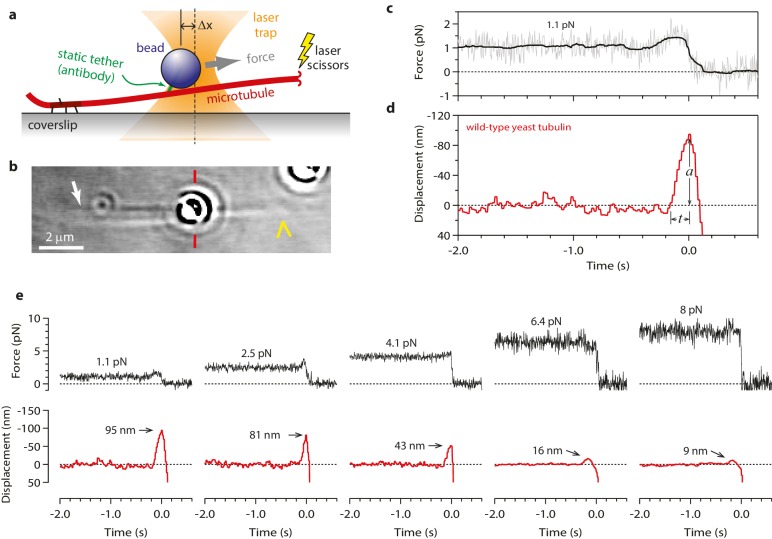
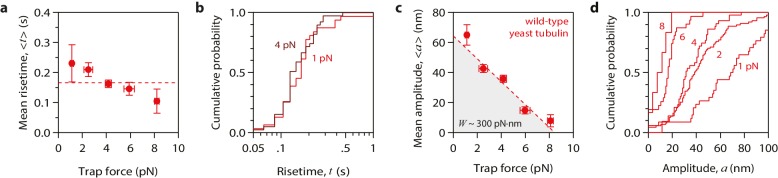
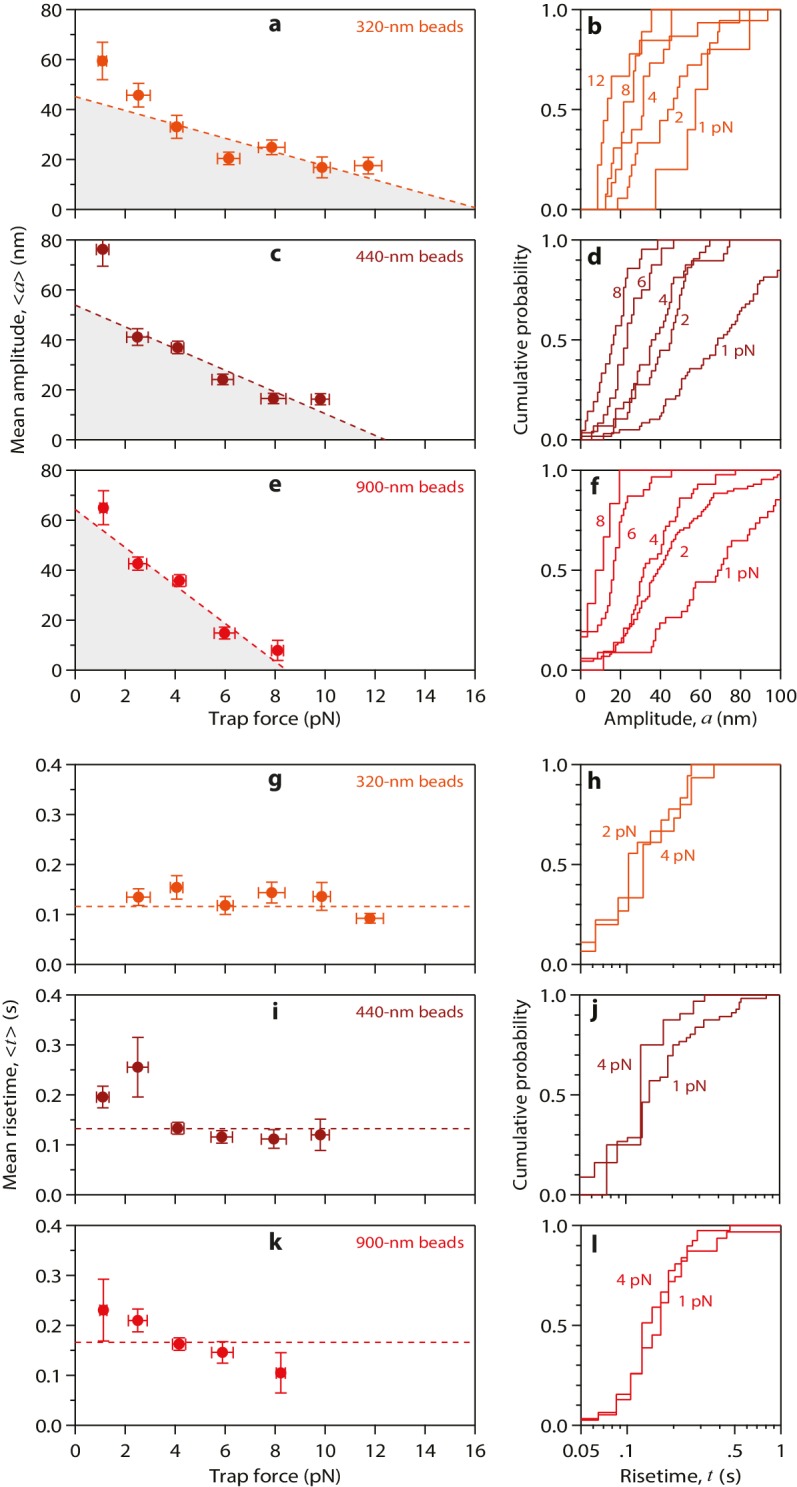
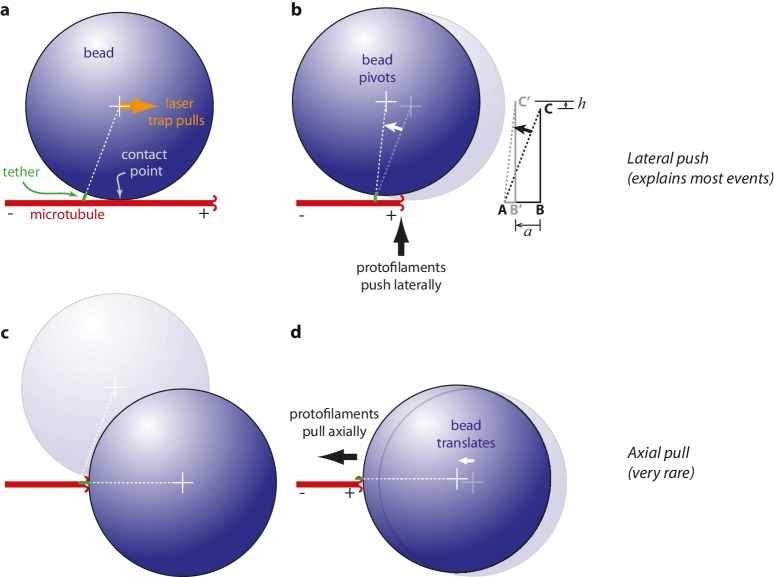
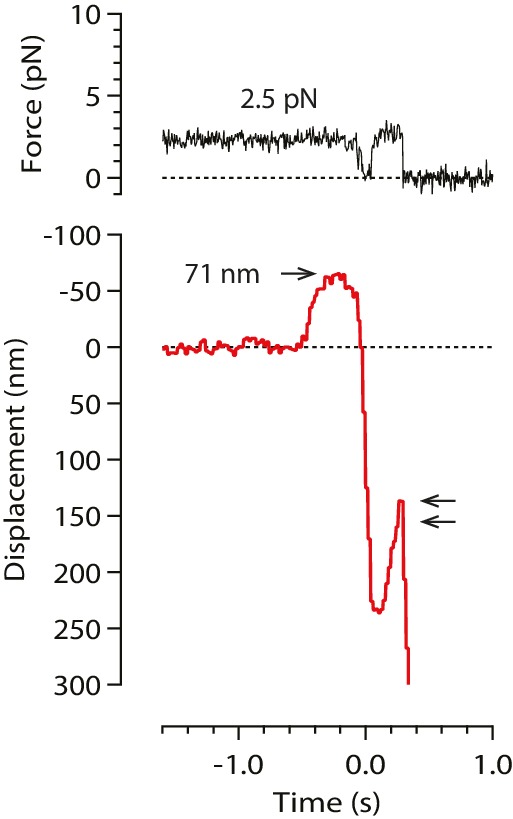
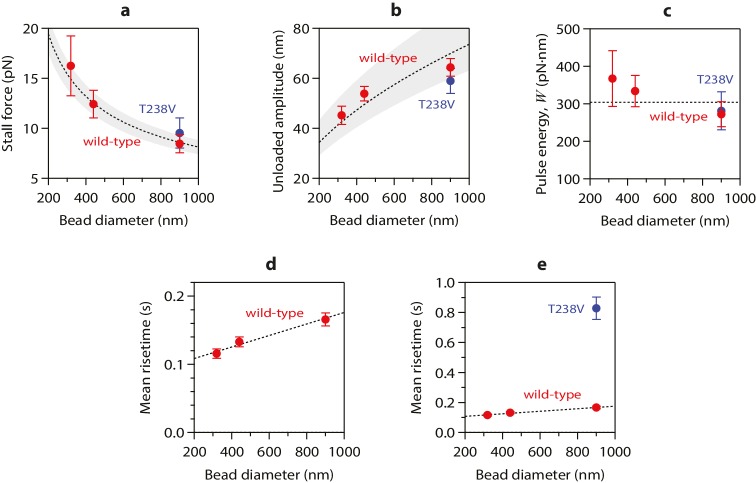
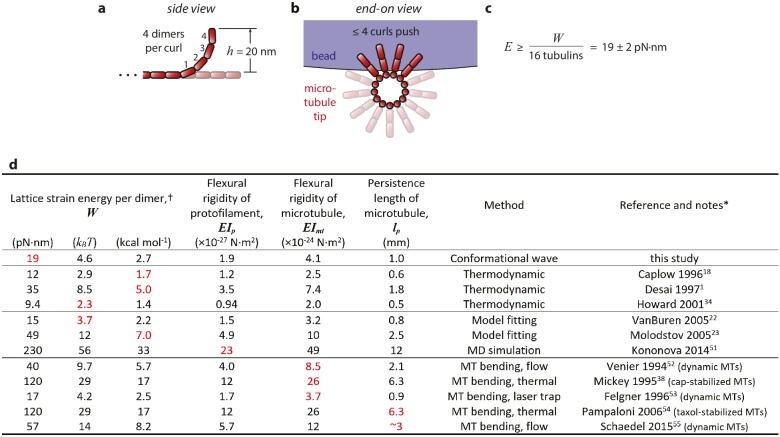
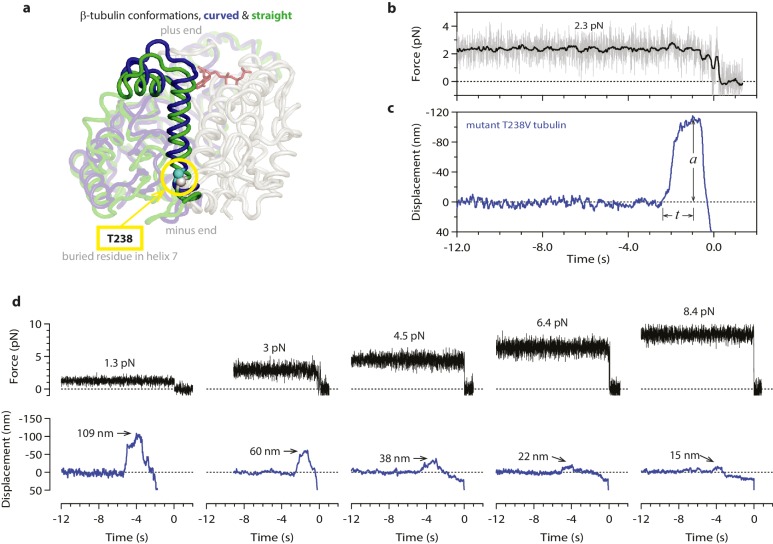
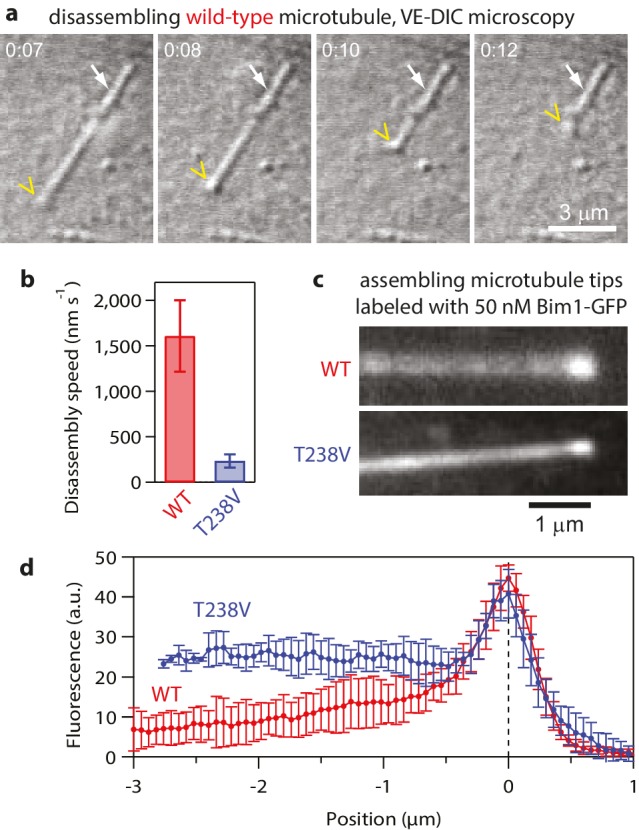
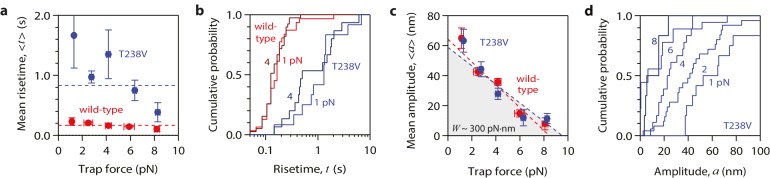
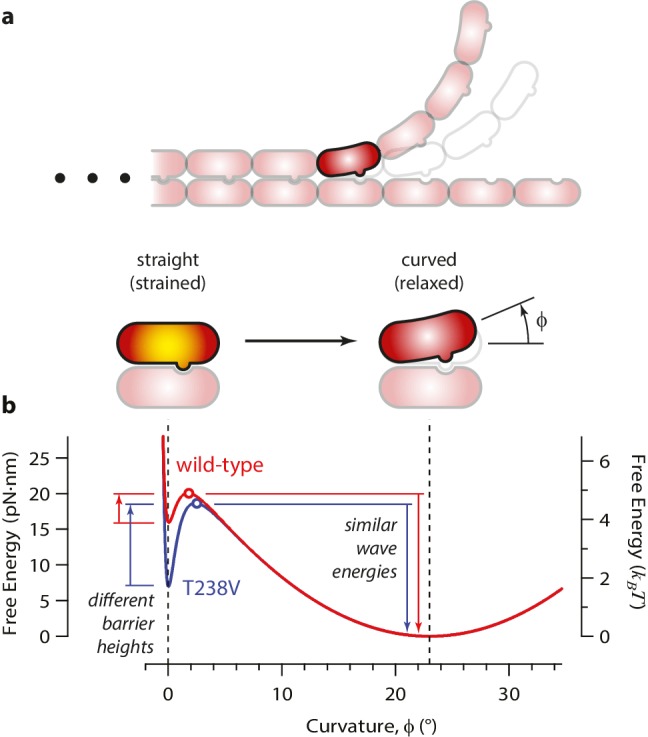
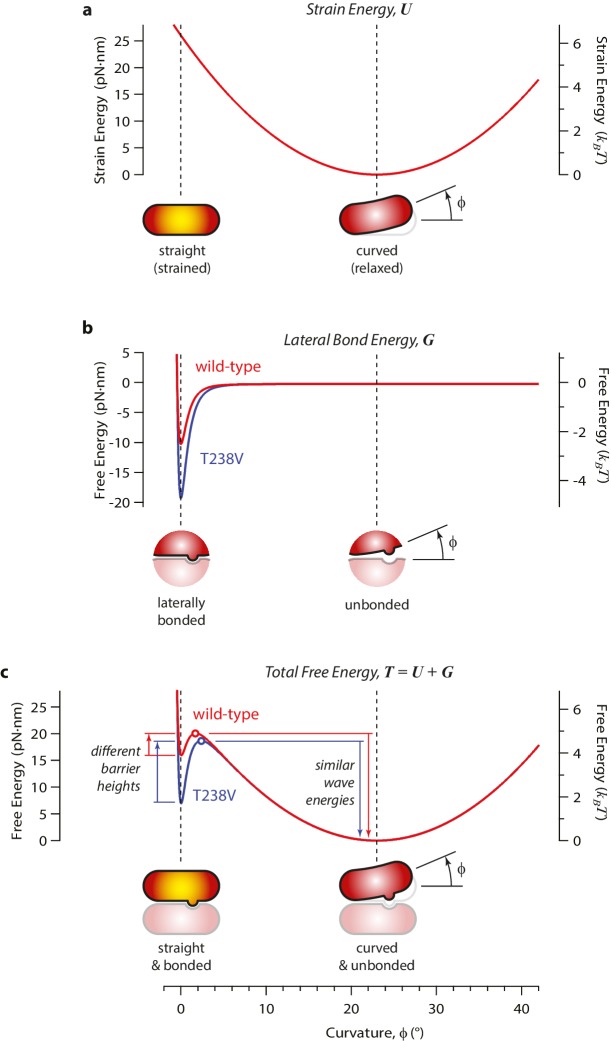
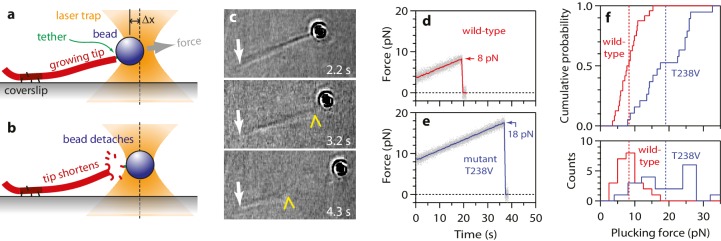
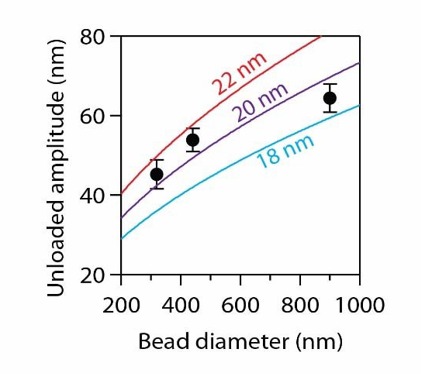
Disassembling microtubules can generate movement independently of motor enzymes, especially at kinetochores where they drive chromosome motility. A popular explanation is the 'conformational wave' model, in which protofilaments pull on the kinetochore as they curl outward from a disassembling tip. But whether protofilaments can work efficiently via this spring-like mechanism has been unclear. By modifying a previous assay to use recombinant tubulin and feedback-controlled laser trapping, we directly demonstrate the spring-like elasticity of curling protofilaments. Measuring their mechanical work output suggests they carry ~25% of the energy of GTP hydrolysis as bending strain, enabling them to drive movement with efficiency similar to conventional motors. Surprisingly, a β-tubulin mutant that dramatically slows disassembly has no effect on work output, indicating an uncoupling of disassembly speed from protofilament strain. These results show the wave mechanism can make a major contribution to kinetochore motility and establish a direct approach for measuring tubulin mechano-chemistry.
Keywords: S. cerevisiae; biophysics; cell biology; kinetochore; laser trap; mechanochemistry; mitosis; optical tweezer; ram's horn; structural biology.
Conflict of interest statement
The authors declare that no competing interests exist.
Figures
References
-
- Amos L, Klug A. Arrangement of subunits in flagellar microtubules. Journal of Cell Science. 1974;14:523–549. - PubMed
Publication types
MeSH terms
Substances
Grants and funding
LinkOut - more resources
Full Text Sources
Other Literature Sources
Molecular Biology Databases
