


Differentiation and Inflammation: 'Best Enemies' in Gastrointestinal Carcinogenesis
- PMID: 28630946
- PMCID: PMC5473626
- DOI: 10.1016/j.trecan.2016.11.005
Differentiation and Inflammation: 'Best Enemies' in Gastrointestinal Carcinogenesis
Abstract
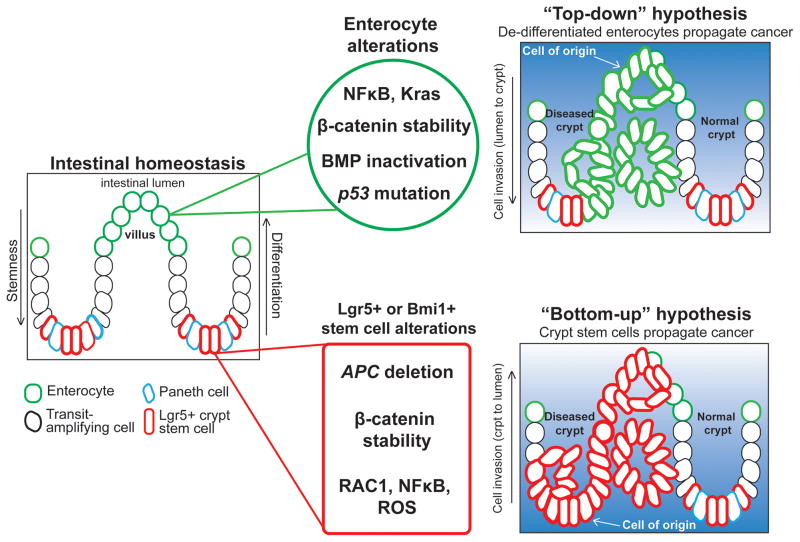
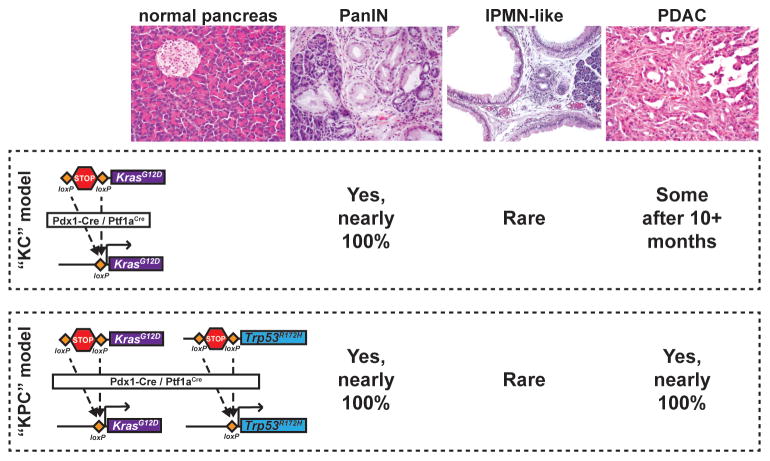
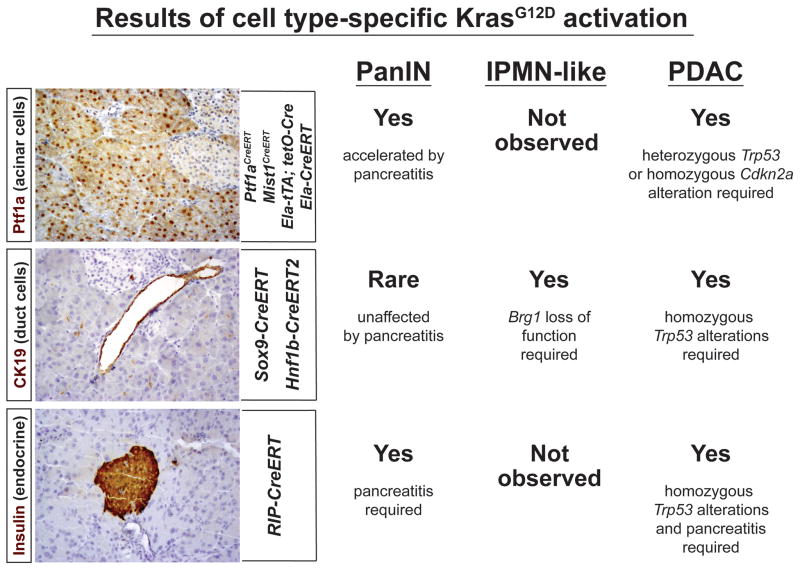
While recent studies demonstrate that cancer can arise from mutant stem cells, this hypothesis does not explain why tissues without defined stem cell populations are susceptible to inflammation-driven tumorigenesis. We propose that chronic inflammatory diseases, such as colitis and pancreatitis, predispose to gastrointestinal (GI) adenocarcinoma by reprogramming differentiated cells. Focusing on colon and pancreas, we discuss recently discovered connections between inflammation and loss of cell differentiation, and propose that dysregulation of cell fate may be a novel rate-limiting step of tumorigenesis. We review studies identifying differentiation mechanisms that limit tumor initiation and that, upon reactivation, can prevent or revert the cancer cell transformed phenotype. Together, these findings suggest that differentiation-targeted treatments hold promise as a therapeutic strategy in GI cancer.
Keywords: colorectal cancer; differentiation; inflammation; pancreatic ductal adenocarcinoma; pancreatitis.
Figures
References
-
- Lowenfels AB, et al. Pancreatitis and the risk of pancreatic cancer. International Pancreatitis Study Group. N Engl J Med. 1993;328:1433–1437. - PubMed
-
- Blanpain C. Tracing the cellular origin of cancer. Nat Cell Biol. 2013;15:126–134. - PubMed
-
- Barker N, et al. Crypt stem cells as the cells-of-origin of intestinal cancer. Nature. 2009;457:608–611. - PubMed
Publication types
MeSH terms
Grants and funding
LinkOut - more resources
Full Text Sources
Other Literature Sources