


Life Expectancy Gain Due to Employment Status Depends on Race, Gender, Education, and Their Intersections
- PMID: 28634876
- PMCID: PMC6392452
- DOI: 10.1007/s40615-017-0381-x
Life Expectancy Gain Due to Employment Status Depends on Race, Gender, Education, and Their Intersections
Abstract
Purpose: Despite the well-established health effects of socioeconomic status (SES), SES resources such as employment may differently influence health outcomes across sub-populations. This study used a national sample of US adults to test if the effect of baseline employment (in 1986) on all-cause mortality over a 25-year period depends on race, gender, education level, and their intersections.
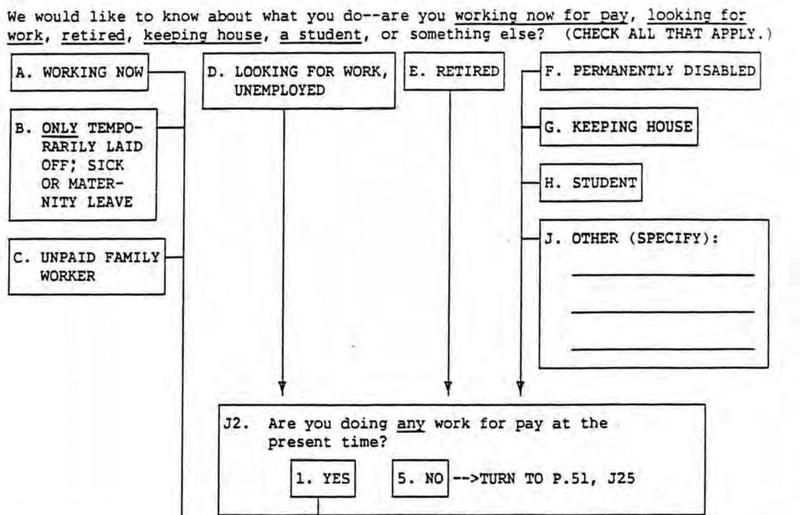
Methods: Data came from the Americans' Changing Lives (ACL) study, which followed 2025 Whites and 1156 Blacks for 25 years from 1986 to 2011. The focal predictor of interest was baseline employment (1986), operationalized as a dichotomous variable. The main outcome of interest was time to all-cause mortality from 1986 to 2011. Covariates included baseline age, health behaviors (smoking, drinking, and exercise), physical health (obesity, chronic disease, function, and self-rated health), and mental health (depressive symptoms). A series of Cox proportional hazard models were used to test the association between employment and mortality risk in the pooled sample and based on race, gender, education, and their intersections.
Results: Baseline employment in 1986 was associated with a lower risk of mortality over a 25-year period, net of covariates. In the pooled sample, baseline employment interacted with race (HR = .69, 95% CI = .49-.96), gender (HR = .73, 95% CI = .53-1.01), and education (HR = .64, 95% CI = .46-.88) on mortality, suggesting diminished protective effects for Blacks, women, and individuals with lower education, compared to Whites, men, and those with higher education. In stratified models, the association was significant for Whites (HR = .71, 95%CI = .59-.90), men (HR = .60, 95%CI = .43-.83), and individuals with high education (HR = .66, 95%CI = .50-.86) but not for Blacks (HR = .77, 95%CI = .56-1.01), women (HR = .88, 95%CI = .69-1.12), and those with low education (HR = .92, 95%CI = .67-1.26). The largest effects of employment on life expectancy were seen for highly educated men (HR = .50, 95%CI = .32-.78), White men (HR = .55, 95%CI = .38-.79), and highly educated Whites (HR = .63, 95%CI = .46-.84). The effects were non-significant for Black men (HR = 1.10, 95%CI = .68-1.78), Whites with low education (HR = 1.01, 95%CI = .67-1.51), and women with low education (HR = 1.06, 95%CI = .71-1.57).
Conclusion: In the USA, the health gain associated with employment is conditional on one's race, gender, and education level, along with their intersections. Blacks, women, and individuals with lower education gain less from employment than do Whites, men, and highly educated people. More research is needed to understand how the intersections of race, gender, and education alter health gains associated with socioeconomic resources.
Keywords: Employment; Ethnic groups; Mortality; Socioeconomic status.
Conflict of interest statement
Figures
References
-
- Eliason M. Alcohol-related morbidity and mortality following involuntary job loss: evidence from Swedish register data. J Stud Alcohol Drugs 2014;75(1):35–46. - PubMed
-
- Brodish PH, Massing M, Tyroler HA. Income inequality and all-cause mortality in the 100 counties of North Carolina. South Med J 2000;93(4):386–91. - PubMed
Publication types
MeSH terms
Grants and funding
LinkOut - more resources
Full Text Sources
Other Literature Sources