


Non-coding variants contribute to the clinical heterogeneity of TTR amyloidosis
- PMID: 28635949
- PMCID: PMC5558178
- DOI: 10.1038/ejhg.2017.95
Non-coding variants contribute to the clinical heterogeneity of TTR amyloidosis
Abstract
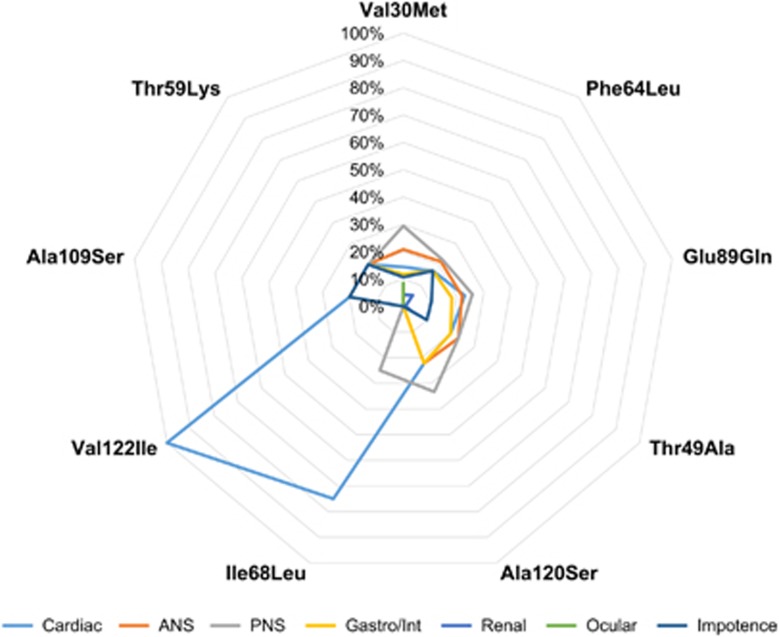
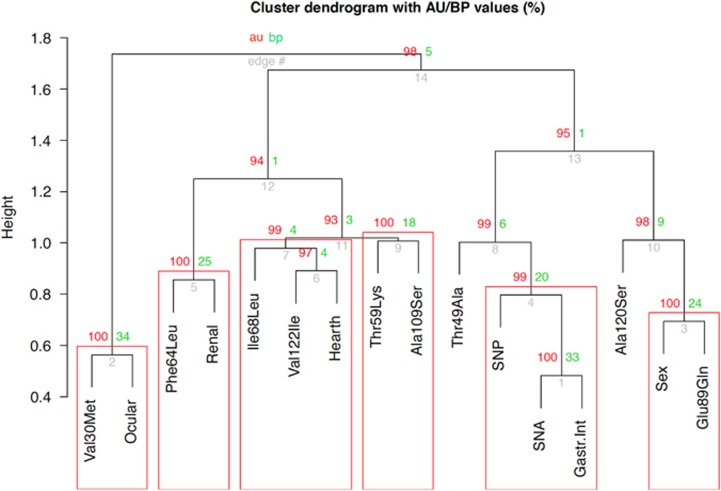
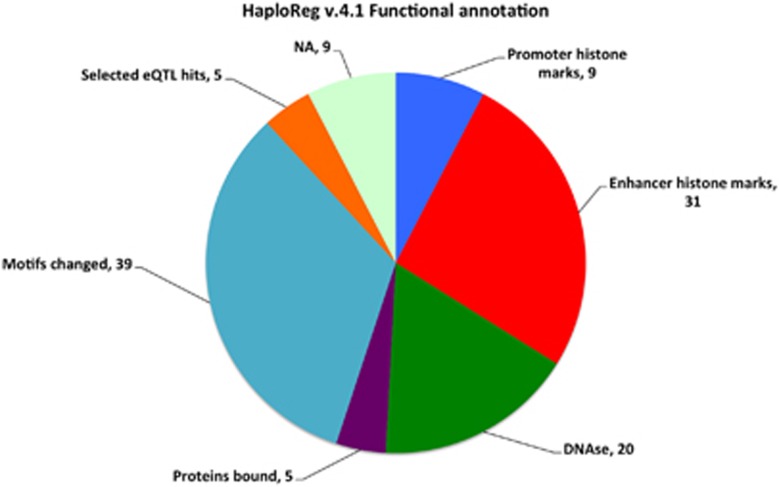
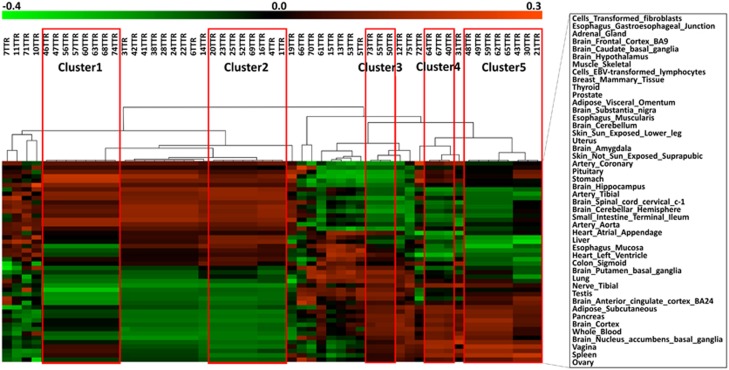
Coding mutations in TTR gene cause a rare hereditary form of systemic amyloidosis, which has a complex genotype-phenotype correlation. We investigated the role of non-coding variants in regulating TTR gene expression and consequently amyloidosis symptoms. We evaluated the genotype-phenotype correlation considering the clinical information of 129 Italian patients with TTR amyloidosis. Then, we conducted a re-sequencing of TTR gene to investigate how non-coding variants affect TTR expression and, consequently, phenotypic presentation in carriers of amyloidogenic mutations. Polygenic scores for genetically determined TTR expression were constructed using data from our re-sequencing analysis and the GTEx (Genotype-Tissue Expression) project. We confirmed a strong phenotypic heterogeneity across coding mutations causing TTR amyloidosis. Considering the effects of non-coding variants on TTR expression, we identified three patient clusters with specific expression patterns associated with certain phenotypic presentations, including late onset, autonomic neurological involvement, and gastrointestinal symptoms. This study provides novel data regarding the role of non-coding variation and the gene expression profiles in patients affected by TTR amyloidosis, also putting forth an approach that could be used to investigate the mechanisms at the basis of the genotype-phenotype correlation of the disease.
Conflict of interest statement
ML received travel grants from Kedrion, Pfizer, and Grifols. The other authors declare no conflict of interest.
Figures
References
-
- Conceicao I: Clinical features of TTR-FAP in Portugal. Amyloid 2012; 19 (Suppl 1): 71–72. - PubMed
-
- Ando Y, Ueda M: Diagnosis and therapeutic approaches to transthyretin amyloidosis. Curr Med Chem 2012; 19: 2312–2323. - PubMed
-
- Rapezzi C, Quarta CC, Obici L et al: Disease profile and differential diagnosis of hereditary transthyretin-related amyloidosis with exclusively cardiac phenotype: an Italian perspective. Eur Heart J 2013; 34: 520–528. - PubMed
Publication types
MeSH terms
Substances
Grants and funding
LinkOut - more resources
Full Text Sources
Other Literature Sources
Medical
Research Materials
Miscellaneous
