Constant Lethality of Gunshot Injuries From Firearm Assault: United States, 2003-2012
- PMID: 28640677
- PMCID: PMC5508146
- DOI: 10.2105/AJPH.2017.303837
Constant Lethality of Gunshot Injuries From Firearm Assault: United States, 2003-2012
Abstract
Objectives: To investigate the validity of the apparent downward trend in the national case-fatality rate for gunshot wounds from assault.
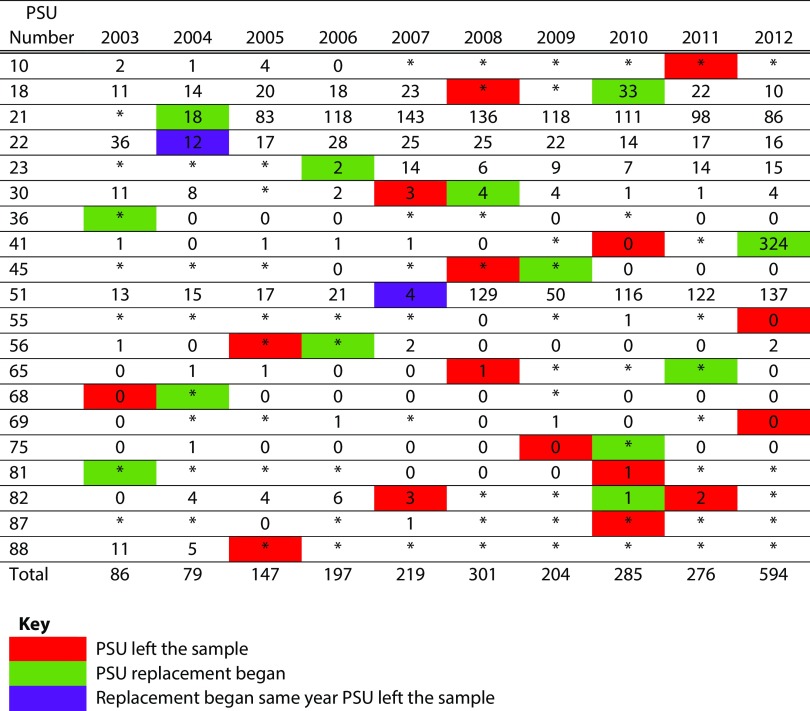
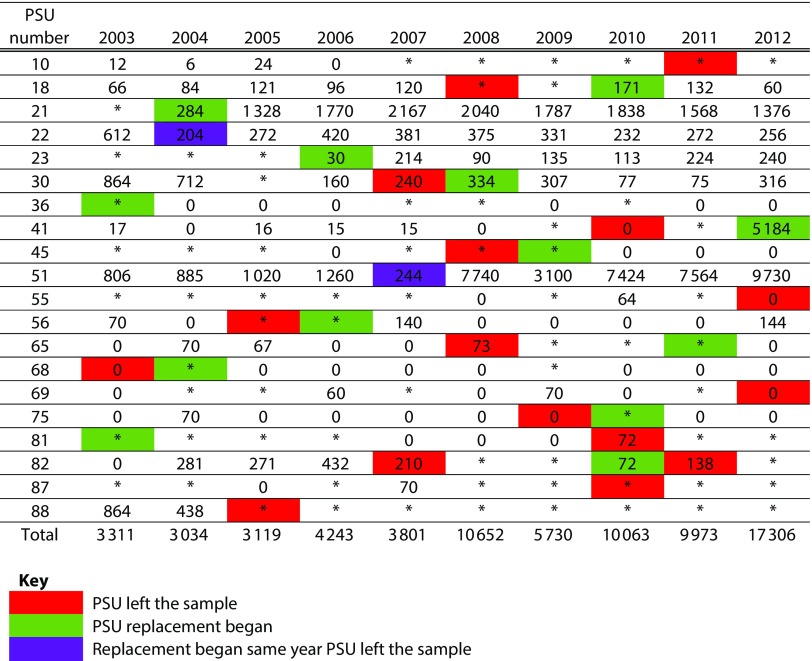
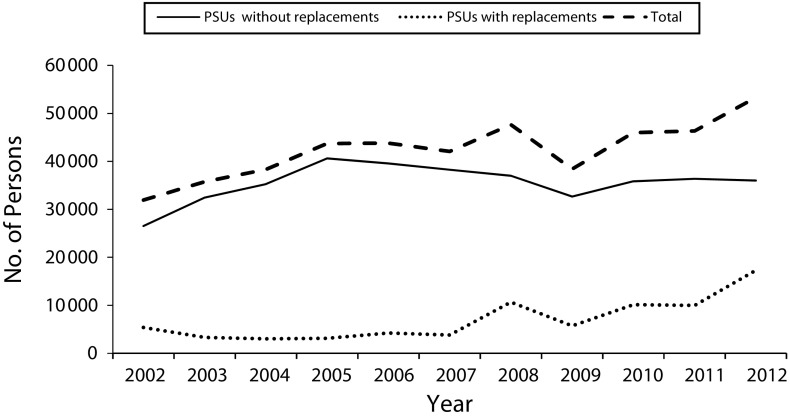
Methods: We reanalyzed the estimated annual number of nonfatal firearm injuries the National Electronic Injury Surveillance System reported from 2003 to 2012. We adjusted the estimates for discontinuities created by the substitution of 1 hospital for another in the sample and for a downward trend in the percentage of gunshot injuries classified as "unknown circumstance." Firearm homicide data are from the Centers for Disease Control and Prevention, Web-based Injury Statistics Query and Reporting System.
Results: The unadjusted National Electronic Injury Surveillance System estimate increased by 49%, yielding a decline in the case-fatality rate from 25% to 18%. Our adjustments eliminated these trends; the case-fatality rate was 22% in both 2003 and 2012.
Conclusions: With reasonable adjustments, the trend in nonfatal injuries from interpersonal firearms assault tracks the flat trend in firearms homicides, suggesting that there was no increase in firearms violence during this period. The case-fatality rate did not change, and trauma care improvements did not influence the firearms homicide trend.
Figures
Comment in
-
Cook et al. Respond.Am J Public Health. 2017 Dec;107(12):e23. doi: 10.2105/AJPH.2017.304101. Am J Public Health. 2017. PMID: 29116836 Free PMC article. No abstract available.
-
Understanding Increased Mortality After Gunshot Injury.Am J Public Health. 2017 Dec;107(12):e22-e23. doi: 10.2105/AJPH.2017.304100. Am J Public Health. 2017. PMID: 29116838 Free PMC article. No abstract available.
References
-
- Fields G, McWhirter C. In medical triumph, homicides fall despite soaring gun violence. 2012. Available at: http://online.wsj.com/article/SB1000142412788732471250457813136068427781.... Accessed March 10, 2016.
-
- Kalesan B, Adhikaria A, Pressley JC et al. The hidden epidemic of firearm injury: increasing firearm injury rates during 2001–2013. Am J Epidemiol. 2017;185(7):546–553. - PubMed
-
- American College of Surgeons. National Trauma Data Bank 2015: Annual Report. Chicago, IL: 2015.
-
- Agarwal S. Trends and burden of firearm-related hospitalizations in the United States across 2001–2011. Am J Med. 2015;128(5):484–492.e1. - PubMed
Publication types
MeSH terms
Grants and funding
LinkOut - more resources
Full Text Sources
Other Literature Sources