


Empagliflozin Improves Left Ventricular Diastolic Dysfunction in a Genetic Model of Type 2 Diabetes
- PMID: 28643218
- PMCID: PMC6681671
- DOI: 10.1007/s10557-017-6734-1
Empagliflozin Improves Left Ventricular Diastolic Dysfunction in a Genetic Model of Type 2 Diabetes
Abstract
Purpose: Cardiovascular (CV) diseases in type 2 diabetes (T2DM) represent an enormous burden with high mortality and morbidity. Sodium-glucose cotransporter 2 (SGLT2) inhibitors have recently emerged as a new antidiabetic class that improves glucose control, as well as body weight and blood pressure with no increased risk of hypoglycemia. The first CV outcome study terminated with empagliflozin, a specific SGLT2 inhibitor, has shown a reduction in CV mortality and in heart failure hospitalization, suggesting a beneficial impact on cardiac function which remains to be demonstrated. This study was designed to examine the chronic effect of empagliflozin on left ventricular (LV) systolic and diastolic functions in a genetic model of T2DM, ob/ob mice.
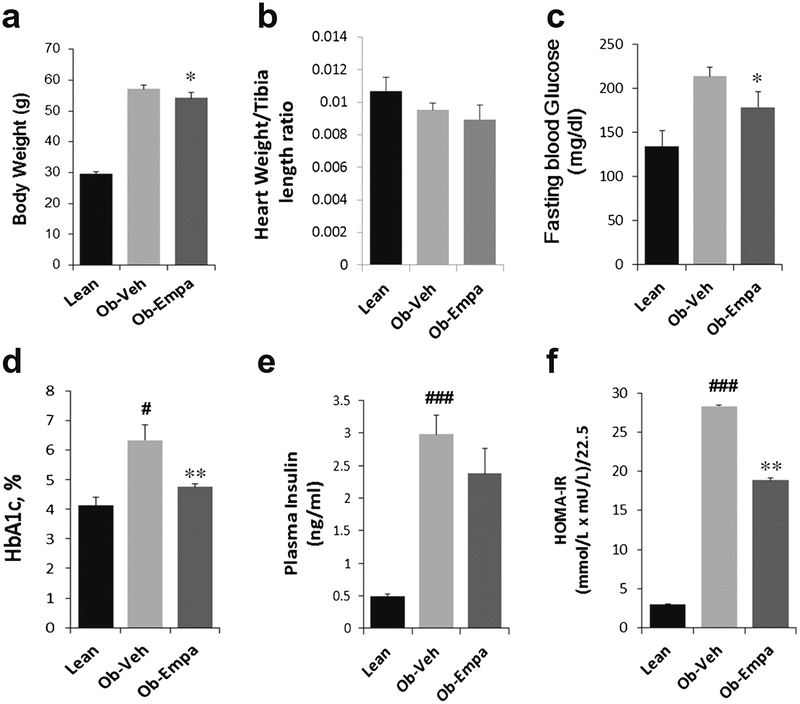
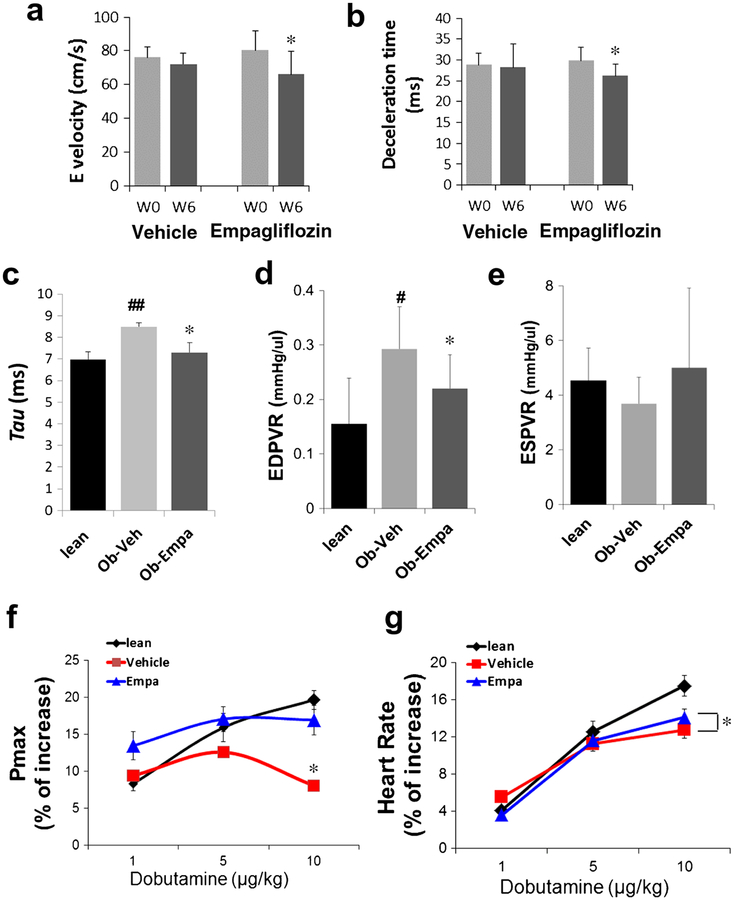
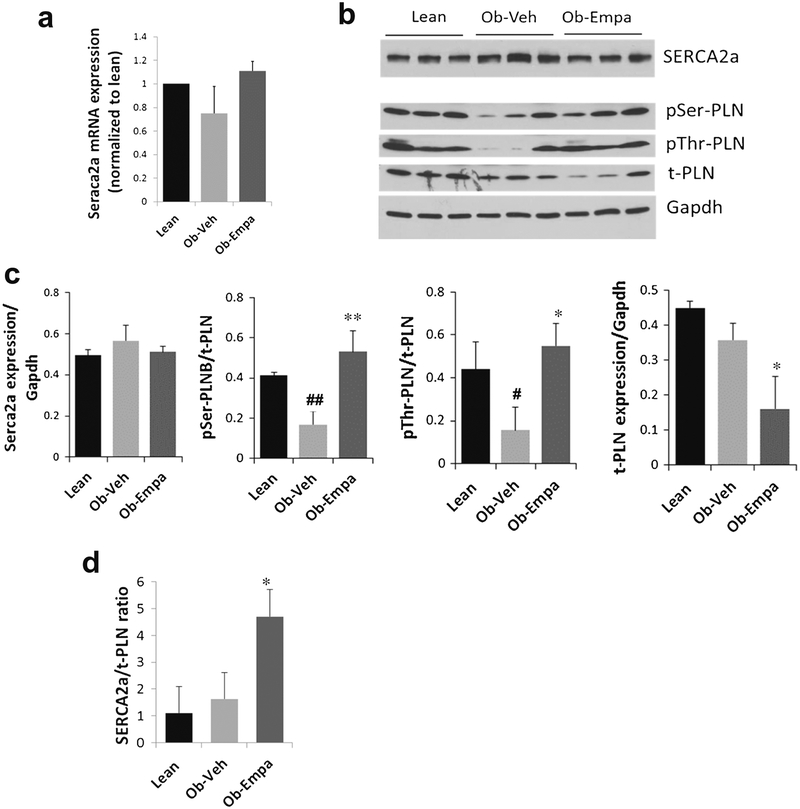
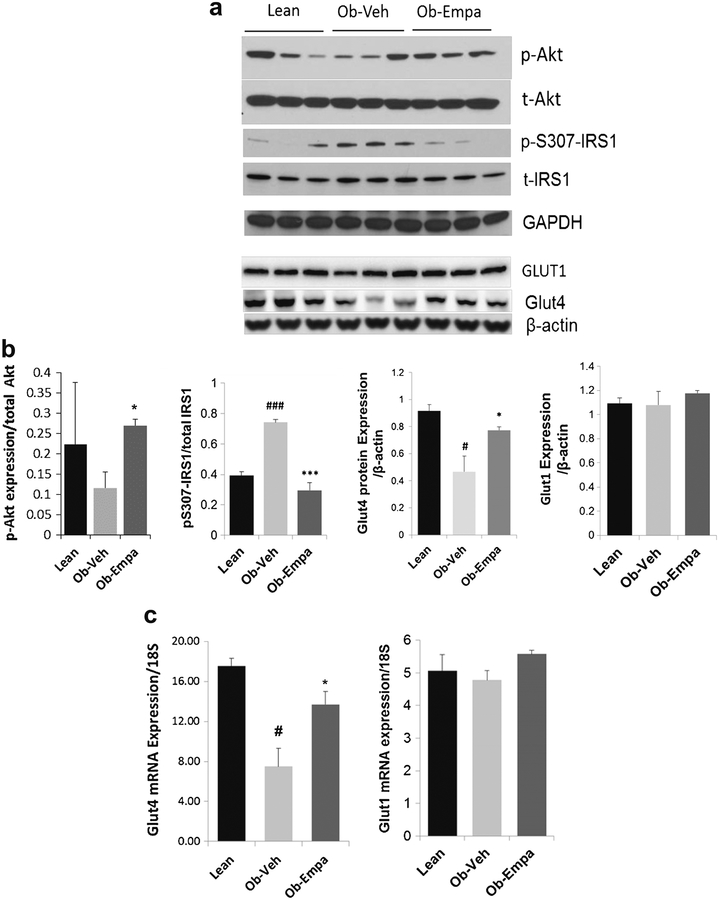
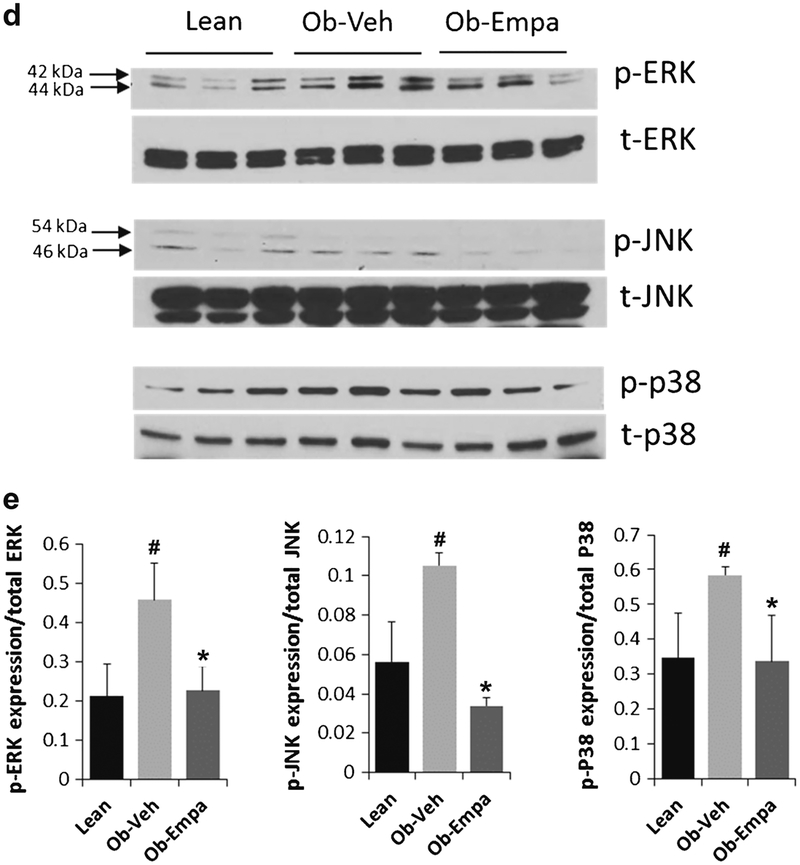
Methods and results: Cardiac phenotype was characterized by echocardiography, in vivo hemodynamics, histology, and molecular profiling. Our results demonstrate that empagliflozin significantly lowered HbA1c and slightly reduced body weight compared to vehicle treatment with no obvious changes in insulin levels. Empagliflozin also improved LV maximum pressure and in vivo indices of diastolic function. While systolic function was grossly not affected in both groups at steady state, response to dobutamine stimulation was significantly improved in the empagliflozin-treated group, suggesting amelioration of contractile reserve. This was paralleled by an increase in phospholamban (PLN) phosphorylation and increased SERCA2a/PLN ratio, indicative of enhanced SERCA2a function, further supporting improved cardiac relaxation and diastolic function. In addition, empagliflozin reconciled diabetes-associated increase in MAPKs and dysregulated phosphorylation of IRS1 and Akt, leading to improvement in myocardial insulin sensitivity and glucose utilization.
Conclusion: The data show that chronic treatment with empagliflozin improves diastolic function, preserves calcium handling and growth signaling pathways and attenuates myocardial insulin resistance in ob/ob mice, findings suggestive of a potential clinical utility for empagliflozin in the treatment of diastolic dysfunction.
Keywords: Calcium handling; Diabetes; Diastolic dysfunction; Empagliflozin; SGLT2 inhibitor; ob/ob mice.
Figures
Comment in
-
Mechanistic Insights of Empagliflozin-Mediated Cardiac Benefits: Nearing the Starting Line : Editorial to: "Empagliflozin Improves Left Ventricular Diastolic Dysfunction in a Genetic Model of Type 2 Diabetes" by N. Hammoudi et al.Cardiovasc Drugs Ther. 2017 Jun;31(3):229-232. doi: 10.1007/s10557-017-6741-2. Cardiovasc Drugs Ther. 2017. PMID: 28733758 Free PMC article. No abstract available.
References
-
- Riva E, Andreoni G, Bianchi R, Latini R, Luvara G, Jeremic G, Traquandi C, Tuccinardi L. Changes in diastolic function and collagen content in normotensive and hypertensive rats with long-term streptozotocin-induced diabetes. Pharmacol Res. 1998;37:233–40. - PubMed
-
- Singleton JR, Smith AG, Russell JW, Feldman EL. Microvascular complications of impaired glucose tolerance. Diabetes. 2003;52: 2867–73. - PubMed
-
- Hemmingsen B, Lund SS, Gluud C, Vaag A, Almdal TP, Hemmingsen C, Wetterslev J. Targeting intensive glycaemic control versus targeting conventional glycaemic control for type 2 diabetes mellitus. The Cochrane Database of Systematic Reviews. 2013;11:Cd008143. - PubMed
-
- Bennett WL, Maruthur NM, Singh S, Segal JB, Wilson LM, Chatterjee R, Marinopoulos SS, Puhan MA, Ranasinghe P, Block L, et al. Comparative effectiveness and safety of medications for type 2 diabetes: an update including new drugs and 2-drug combinations. Ann Intern Med. 2011;154:602–13. - PMC - PubMed
MeSH terms
Substances
Grants and funding
LinkOut - more resources
Full Text Sources
Other Literature Sources
Medical
Miscellaneous
