


Music as an Adjunct to Opioid-Based Analgesia
- PMID: 28646359
- PMCID: PMC5570730
- DOI: 10.1007/s13181-017-0621-9
Music as an Adjunct to Opioid-Based Analgesia
Abstract
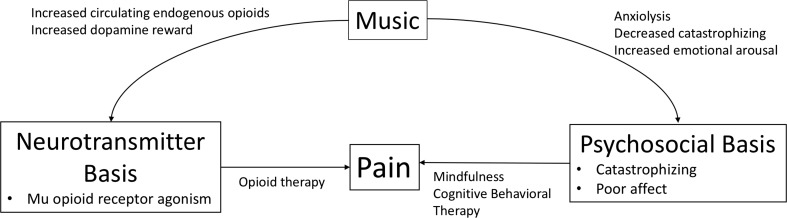
Epidemic increases in opioid use in the USA and globally highlight the need for effective adjunctive therapies to opioid-based analgesia. Given the shortcomings of behavioral adjuncts to opioid-based pain treatment, an urgent need exists for pain-related behavioral interventions that resonate with broad patient populations, can be delivered confidentially in any environment, and can incorporate new content automatically. Understanding the potential for automated behavioral therapies like music therapy in modulating the experience of pain may unlock methods to transition patients to lower doses of pharmacologic therapy or provide alternatives to opioids during acute exacerbations of pain. This manuscript describes the neurologic mechanism of action, theoretical basis, and potential applications of personalized music as a smartphone-based mHealth intervention for acute and chronic pain management.
Keywords: Behavioral medicine; Music; Opioids; Pain; mHealth.
Conflict of interest statement
Conflicts of Interest
None.
Sources of Funding
None.
Figures
References
-
- Cherkin DC, Sherman KJ, Balderson BH, Cook AJ, Anderson ML, Hawkes RJ, et al. Effect of mindfulness-based stress reduction vs cognitive behavioral therapy or usual care on back pain and functional limitations in adults with chronic low back pain: a randomized clinical trial. JAMA. 2016;315:1240–1249. doi: 10.1001/jama.2016.2323. - DOI - PMC - PubMed
Publication types
MeSH terms
Substances
Grants and funding
LinkOut - more resources
Full Text Sources
Other Literature Sources
Medical
