


Early hematopoietic stem cell transplantation in a patient with severe mucopolysaccharidosis II: A 7 years follow-up
- PMID: 28649514
- PMCID: PMC5470531
- DOI: 10.1016/j.ymgmr.2017.05.010
Early hematopoietic stem cell transplantation in a patient with severe mucopolysaccharidosis II: A 7 years follow-up
Abstract
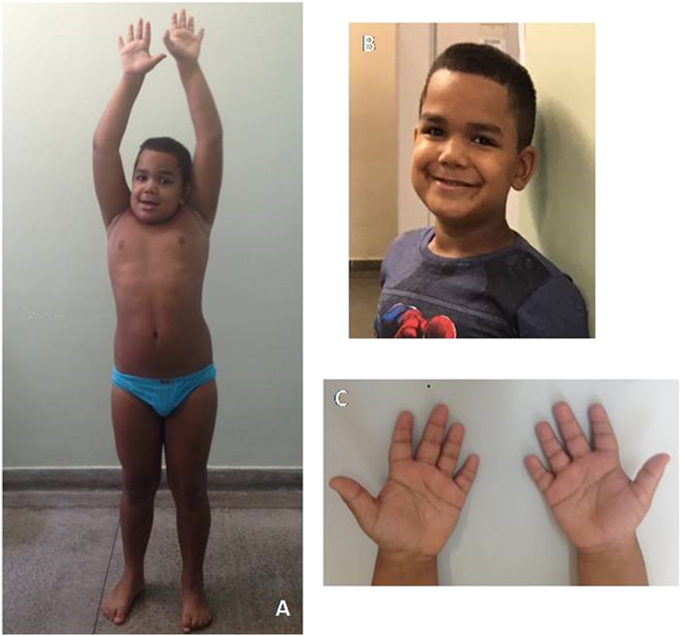
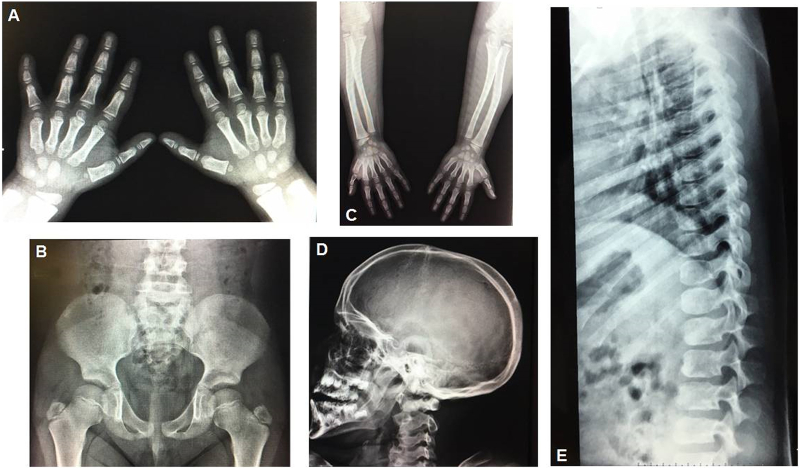
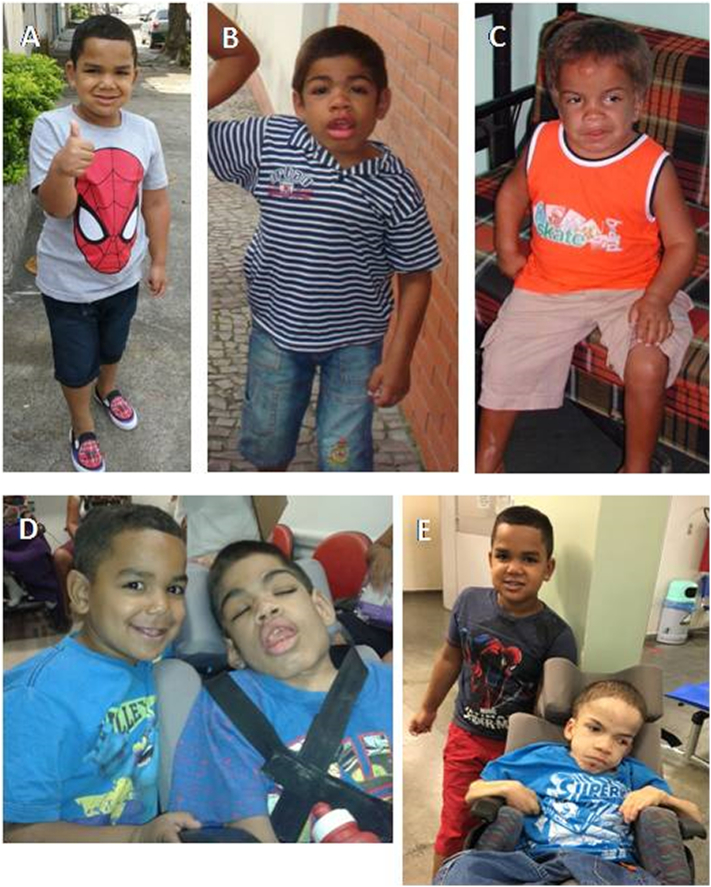
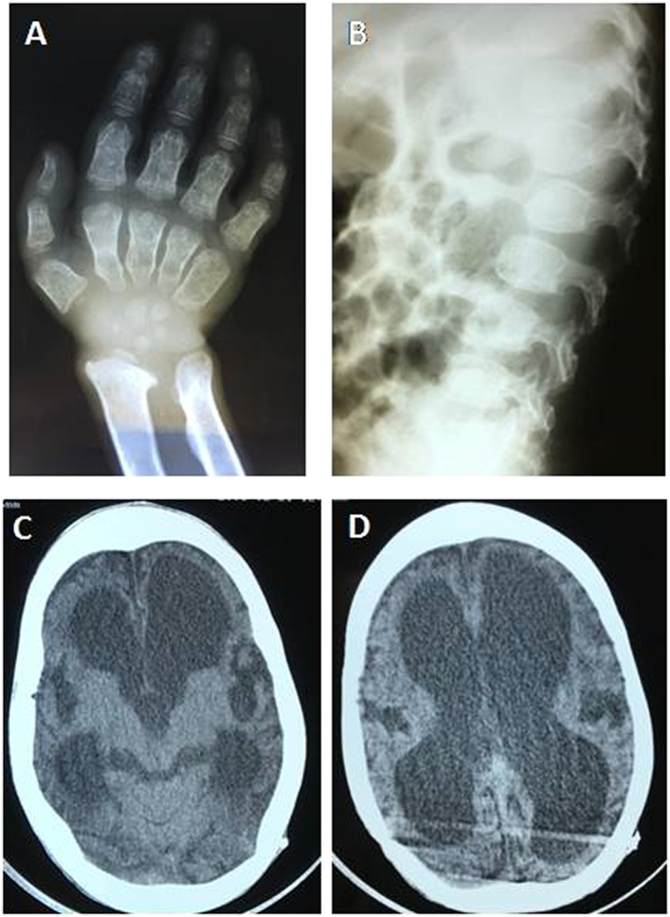
Mucopolysaccharidosis type II (MPS II - Hunter syndrome) is an X-linked lysosomal storage disorder caused by a deficiency in the enzyme iduronate-2 sulfatase (I2S), leading to the accumulation of the glycosaminoglycans, affecting multiple organs and systems. Enzyme replacement therapy does not cross the blood brain barrier, limiting results in neurological forms of the disease. Another option of treatment for severe MPS, hematopoietic stem cell transplantation (HSCT) has become the treatment of choice for the severe form of MPS type I, since it can preserve neurocognition when performed early in the course of the disease. To date, only few studies have examined the long-term outcomes of HSCT in patients with MPS II. We describe the seven-year follow-up of a prenatally diagnosed MPS II boy with positive family history of severe MPS form, submitted to HSCT with umbilical cord blood cells at 70 days of age. Engraftment after 30 days revealed mixed chimerism with 79% donor cells; after 7 years engraftment remains at 80%. I2S activity 30 days post-transplant was low in plasma and normal in leukocytes and the same pattern is observed to date. At age 7 years growth charts are normal and he is very healthy, although mild signs of dysostosis multiplex are present, as well as hearing loss. The neuropsychological evaluation (Wechsler Intelligence Scale for Children - Fourth Edition - WISC-IV), disclosed an IQ of 47. Despite this low measured IQ, the patient continues to show improvements in cognitive, language and motor skills, being quite functional. We believe that HSCT is a therapeutic option for MPS II patients with the severe phenotype, as it could preserve neurocognition or even halt neurodegeneration, provided strict selection criteria are followed.
Keywords: Hematopoietic stem cell transplantation; Mucopolysaccharidosis; Neurocognition.
Figures
References
-
- Neufeld E.F., Muenzer J. The Mucopolysaccharidoses. In: Scriver C.R., Beaudet A.L., Sly W.S., Valle D., editors. The Metabolic and Molecular Bases of Inherited Disease. 8th ed. McGrow-Hill; New York: 2001. pp. 3421–3452.
-
- Holt J.B., Poe M.D., Escolar M.L. Natural progression of neurological disease in mucopolisaccharidosis type II. Pediatrics. 2011;127:e1258–e1265. - PubMed
-
- Boado R.J., Hui E.K., Lu J.Z., Sumbria R.K., Pardridge W.M. Blood-brain barrier molecular Trojan horse enables imaging of brain uptake of radioiodinated recombinant protein in the rhesus monkey. Bioconjug. Chem. 2013;24:1741–1749. - PubMed
Publication types
LinkOut - more resources
Full Text Sources
Other Literature Sources
