


Integrated molecular landscape of Parkinson's disease
- PMID: 28649614
- PMCID: PMC5460267
- DOI: 10.1038/s41531-017-0015-3
Integrated molecular landscape of Parkinson's disease
Abstract
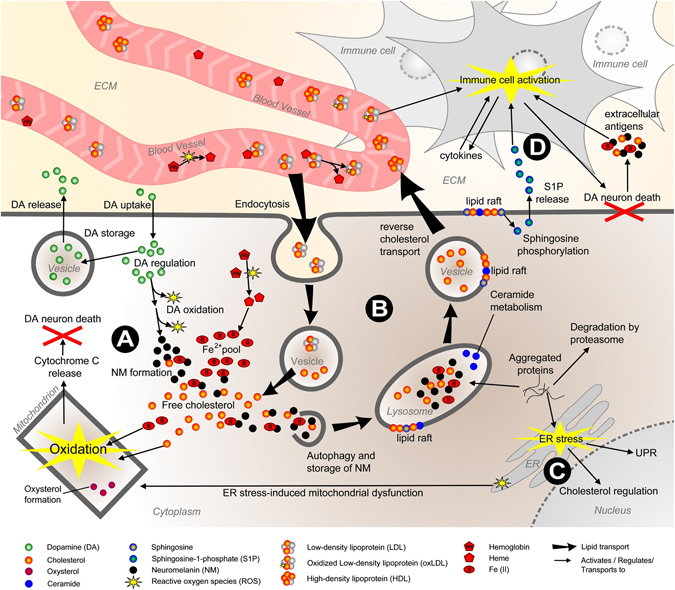
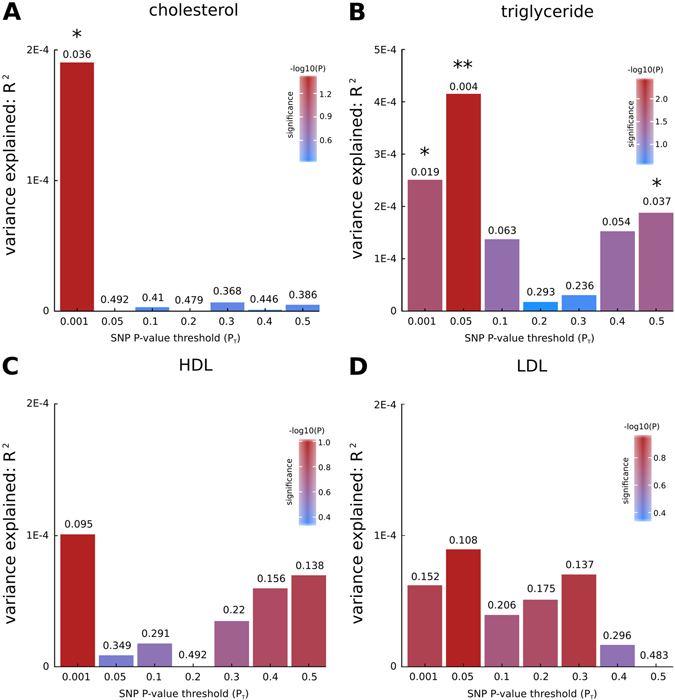
Parkinson's disease is caused by a complex interplay of genetic and environmental factors. Although a number of independent molecular pathways and processes have been associated with familial Parkinson's disease, a common mechanism underlying especially sporadic Parkinson's disease is still largely unknown. In order to gain further insight into the etiology of Parkinson's disease, we here conducted genetic network and literature analyses to integrate the top-ranked findings from thirteen published genome-wide association studies of Parkinson's disease (involving 13.094 cases and 47.148 controls) and other genes implicated in (familial) Parkinson's disease, into a molecular interaction landscape. The molecular Parkinson's disease landscape harbors four main biological processes-oxidative stress response, endosomal-lysosomal functioning, endoplasmic reticulum stress response, and immune response activation-that interact with each other and regulate dopaminergic neuron function and death, the pathological hallmark of Parkinson's disease. Interestingly, lipids and lipoproteins are functionally involved in and influenced by all these processes, and affect dopaminergic neuron-specific signaling cascades. Furthermore, we validate the Parkinson's disease -lipid relationship by genome-wide association studies data-based polygenic risk score analyses that indicate a shared genetic risk between lipid/lipoprotein traits and Parkinson's disease. Taken together, our findings provide novel insights into the molecular pathways underlying the etiology of (sporadic) Parkinson's disease and highlight a key role for lipids and lipoproteins in Parkinson's disease pathogenesis, providing important clues for the development of disease-modifying treatments of Parkinson's disease.
Conflict of interest statement
The authors declare that they have no competing interests.
Figures
References
LinkOut - more resources
Full Text Sources
Other Literature Sources
