. 2017 Aug;38(2):875-885.
doi: 10.3892/or.2017.5756. Epub 2017 Jun 27.

Bioinformatic analysis reveals potential properties of human Claudin-6 regulation and functions

Affiliations

Bioinformatic analysis reveals potential properties of human Claudin-6 regulation and functions

Dongjing Lin et al. Oncol Rep. 2017 Aug.

Abstract

Claudin-6 (CLDN6) is an integral component of the tight junction proteins in polarized epithelial and endothelial cells and plays a crucial role in maintaining cell integrity. Deregulation of CLDN6 expression and distribution in tumor tissues have been widely documented and correlated with cancer progression and metastasis. However, a complete mechanistic understanding of CLDN6 regulation and function remains to be studied. Herein, we show new potential properties of CLDN6 regulation and functions from bioinformatics analysis. Using numerous algorithms to characterize the CLDN6 gene promoter elements and the CLDN6 protein structure, physio-chemical and localization properties, and its evolutionary relationships. CLDN6 is regulated by a diverse set of transcription factors (SP1, SPR, AML-1a, CdxA, CRE-BP and CREB) and associated with the levels of methylation of CpG islands in promoters. The structural properties of CLDN6 indicate that it promotes cancer cell behavior via the ASK1-p38/JNK MAPK secretory signaling pathway. In conclusion, this information from bioinformatics analysis will help future attempts to better understand CLDN6 regulation and functions.


Figures
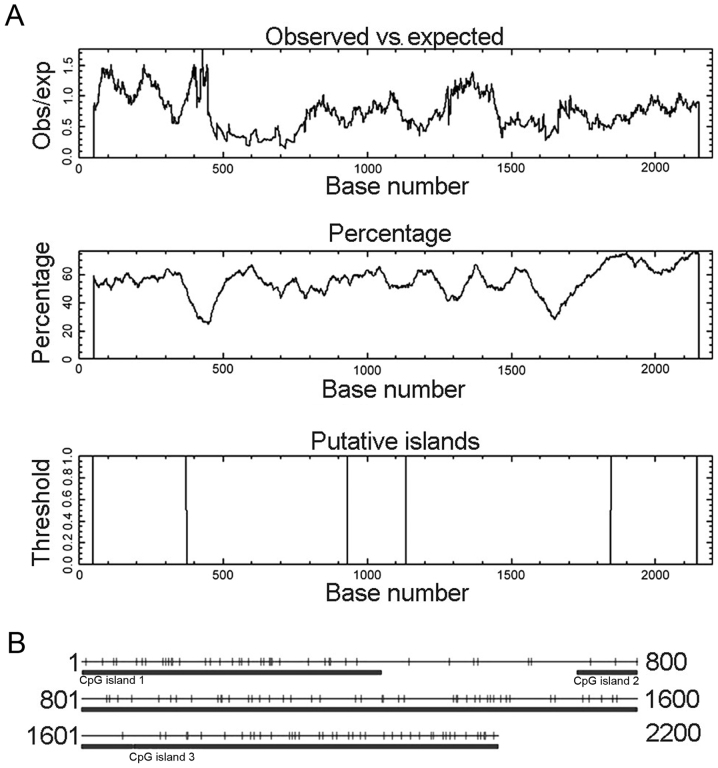
Figure 1.
Figure 1.
CpG island prediction for CLDN6 using two prediction programs. (A) CpG island prediction using online EMBOSS. These CpG islands were 325 bp in length (located at 49–373 bp), 204 bp (932–1135 bp) and 299 bp (1847–2145 bp). (B) CpG island prediction using CpG Island Searcher program. CpG Island Searcher program identified three different CpG islands of 432 bp (1–432 bp), 962 bp (713–1674 bp) and 526 bp (1675–2200 bp). Select lower limits: % GC=50, obsCpG/expCpG = 0.60, length = 200, distance = 100. CpG island 1 star = 1, end = 432, % GC=53.9, obsCpG/expCpG = 1.024, length = 432. CpG island 2 star = 713, end = 1674, % GC=52.8, obsCpG/expCpG = 0.735, length = 962. CpG island 3 star = 1675, end = 2200, % GC=65.4, obsCpG/expCpG = 0.711, length = 526.
Figure 2.
Figure 2.
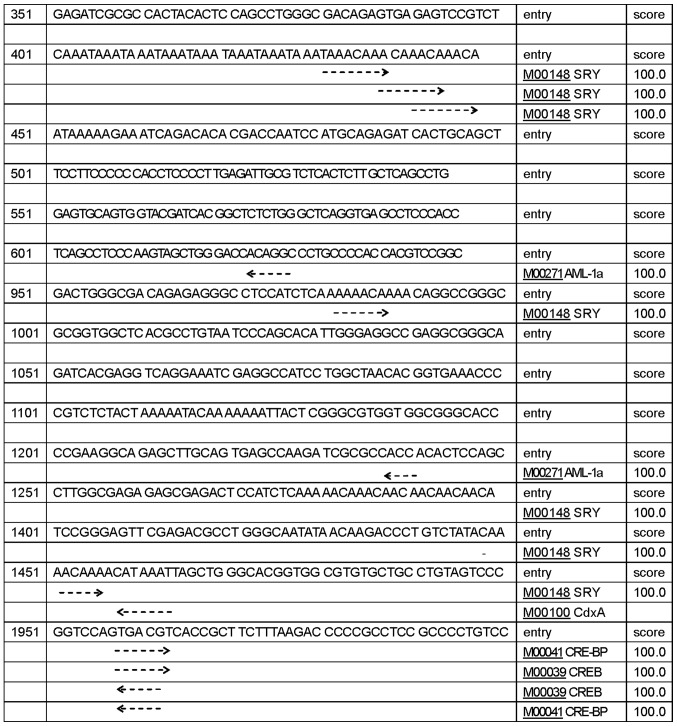
There are 24 potential TFBSs prediction for CLDN6, including for SPR, AML-1a, CdxA, CRE-BP and CREB with a score of 99 using TFSEARCH program prediction.
Figure 3.
Figure 3.
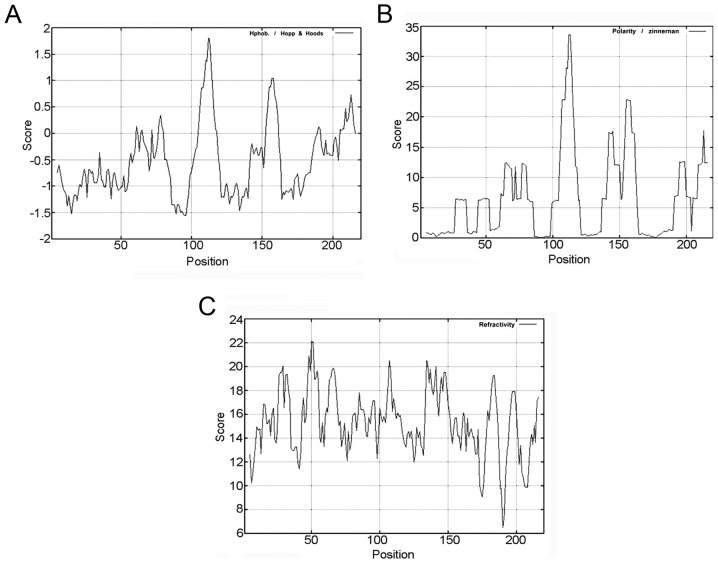
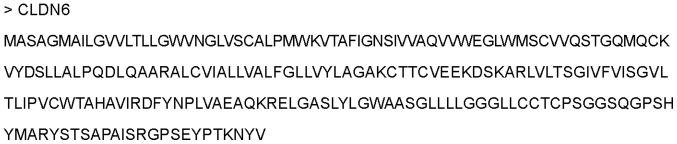
Nucleotide and deduced amino acid sequences of human CLDN6 analyzed using Proparam. (A) It encodes a 220 amino acid polypeptide with a predicted molecular mass of 23,2775 kD. (B) Hydrophilicity plot analysis of CLDN6. The plot records the average hydrophilicity along the sequence over a window of 10 residues. Hydrophilic and hydrophobic residues are in the lower and upper part of the frame, respectively. The axis is numbered in amino acid residues. (C) Polarity analysis of CLDN6.
Figure 4.
Figure 4.
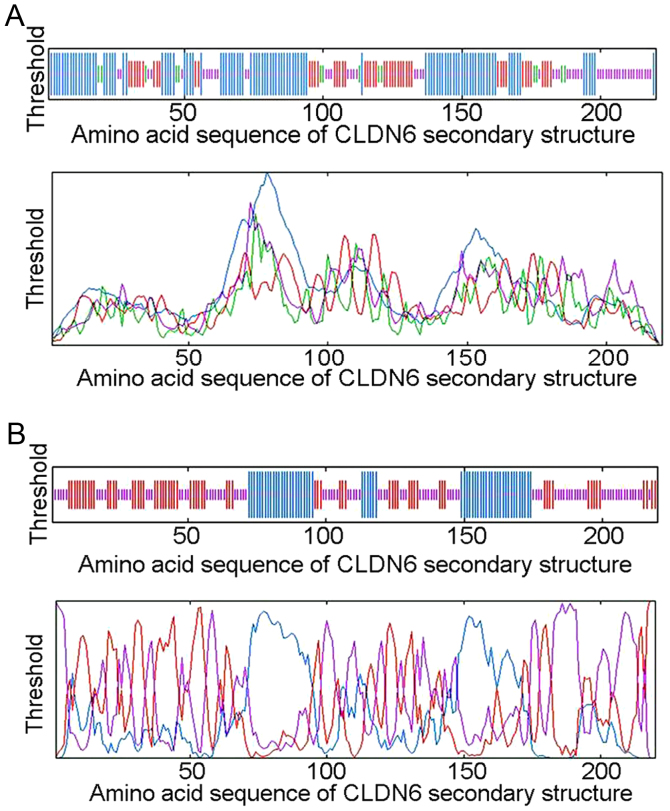
Secondary structure analysis of CLDN6 protein using SOPMA (A, up: schematic illustration; down: the peak figure) and GOR4 (B, up: schematic illustration; down: the peak figure) prediction software. Helix (blue), spiral structure; Sheet (red), folding; Turn (green), corner structure; Coil (purple), irregular curly structure.
Figure 5.
Figure 5.
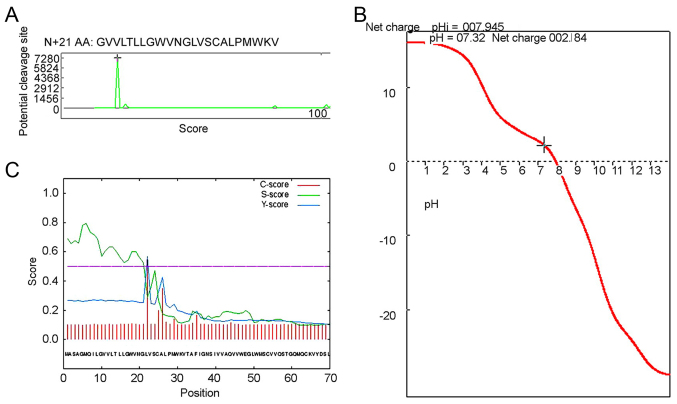
Signal peptide cleavage site and titration curve of CLDN6 using Anthprot and SignalP analysis. (A) Anthprot signal peptide cleavage site, subcellular localization prediction using TargetP1.1 and PSORT II Prediction. (B) Titration curve of CLDN6 using Anthprot analysis. (C) Curve of CLDN6 protein signal peptide using SignalP-4.1 euk predictions.
Figure 6.
Figure 6.
A short peptide composed of 21 amino acid residues.
Figure 7.
Figure 7.
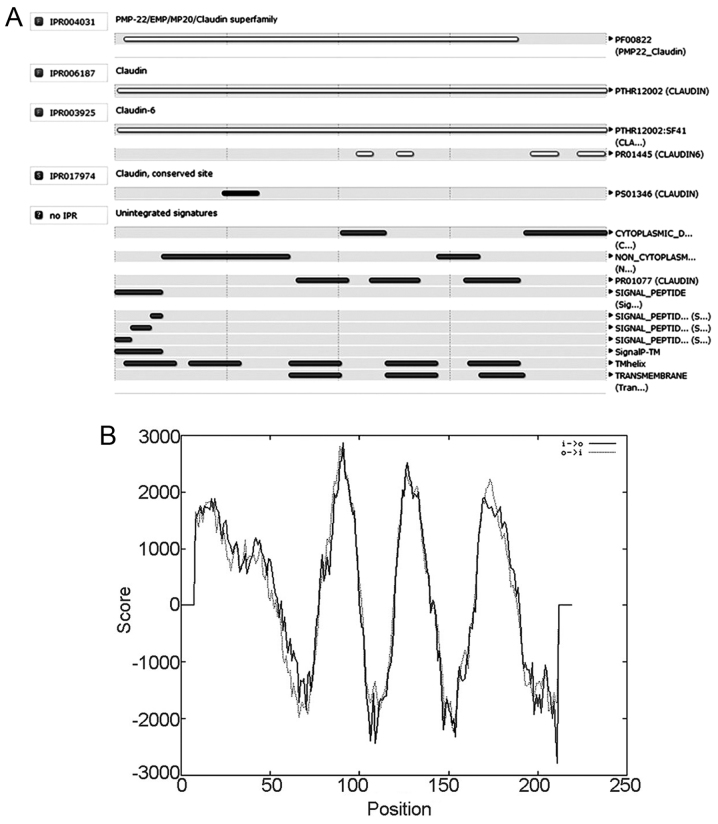
Transmembrane structural domain and function of CLDN6. (A) CLDN6 belongs to the PMP-22/EMP/CLDN superfaminly (IPR004031) and CLDN (IPR006187) according to the InterPro software. (B) CLDN6 possibly has four strong transmembrane helices in strongly preferred model.
Figure 8.
Figure 8.
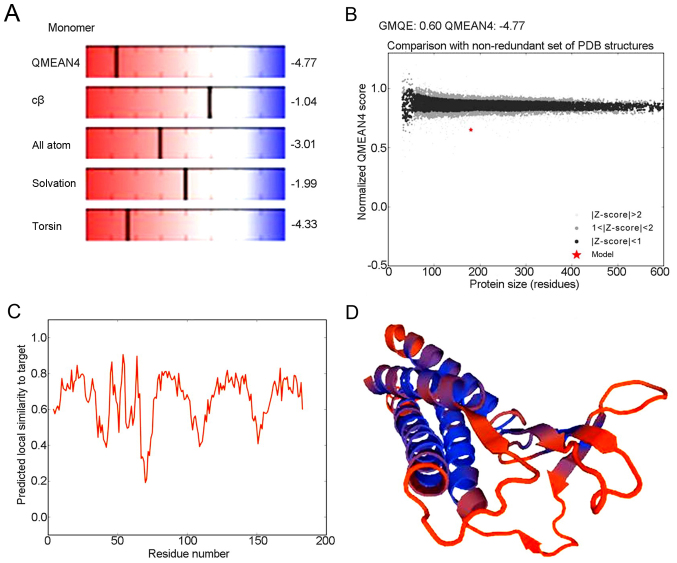
Predicted three-dimensional structure of CLDN6 with Swissmodel server. (A) CLDN6 protein and its structure database template 3×29.1.A. (B) CLDN6 protein has 42.62% amino acid sequence. (C) GMQE is 0.60 and QMEAN4 is −4.77. (D) The predicted 3D structure of CLDN6.
Figure 9.
Figure 9.
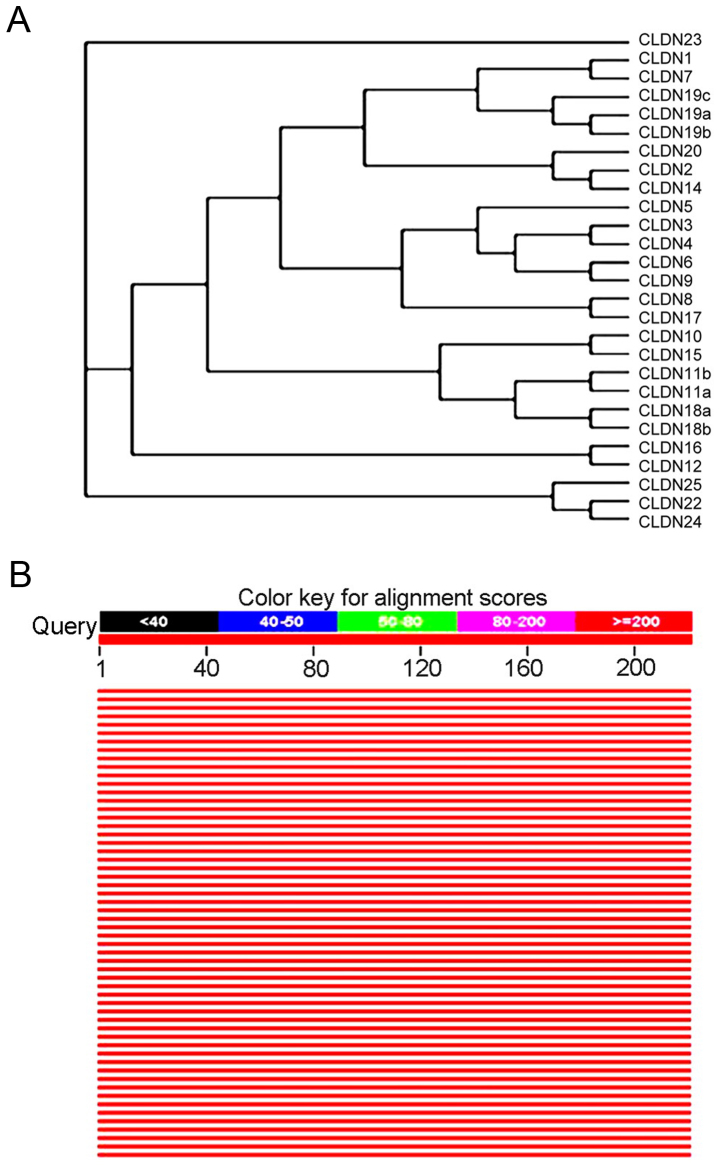
Evolutionary tree of the CLDN family. Drosophila Tap protein amino acid sequence with other species Phylogenetic tree between the two systems. (A) The family system evolutionary tree of CLDNs protein amino acid sequence was drawn (B) through the relevant data in the library collection download sequence similarity information encoding protein >50% of the species to build the system tree.
Figure 10.
Figure 10.
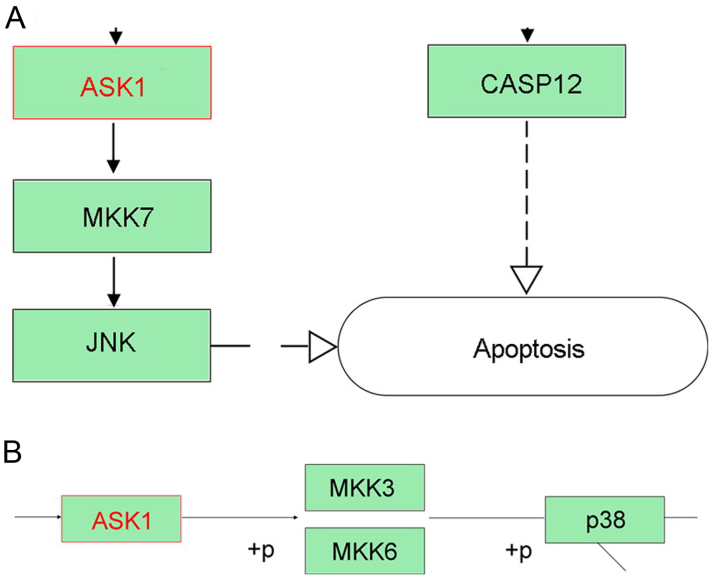
CLDN6-related signaling pathways, identified using KEGG pathway searches. (A) Cell apoptosis is induced by ASK1-MKK7-JNK signaling and casp12. (B) The effects of ASK1 on p38 expression is shown through downstream MKK3 and MKK6 molecules.

References

    1. Günzel D, Yu AS. Claudins and the modulation of tight junction permeability. Physiol Rev. 2013;93:525–569. doi: 10.1152/physrev.00019.2012. - DOI - PMC - PubMed
    1. Lu S, Singh K, Mangray S, Tavares R, Noble L, Resnick MB, Yakirevich E. Claudin expression in high-grade invasive ductal carcinoma of the breast: Correlation with the molecular subtype. Mod Pathol. 2013;26:485–495. doi: 10.1038/modpathol.2012.187. - DOI - PMC - PubMed
    1. Mineta K, Yamamoto Y, Yamazaki Y, Tanaka H, Tada Y, Saito K, Tamura A, Igarashi M, Endo T, Takeuchi K, et al. Predicted expansion of the claudin multigene family. FEBS Lett. 2011;585:606–612. doi: 10.1016/j.febslet.2011.01.028. - DOI - PubMed
    1. Kwon MJ. Emerging roles of claudins in human cancer. Int J Mol Sci. 2013;14:18148–18180. doi: 10.3390/ijms140918148. - DOI - PMC - PubMed
    1. Li X, Li Y, Qiu H, Wang Y. Downregulation of claudin 7 potentiates cellular proliferation and invasion in endometrial cancer. Oncol Lett. 2013;6:101–105. - PMC - PubMed

MeSH terms