


ACL Injury Prevention: What Does Research Tell Us?
- PMID: 28656531
- PMCID: PMC5577417
- DOI: 10.1007/s12178-017-9416-5
ACL Injury Prevention: What Does Research Tell Us?
Abstract
Purpose of review: Mechanisms leading to anterior cruciate ligament (ACL) injury have been identified, yet re-injury or a secondary injury persists in the athletic population. The purpose of this review is to identify risk factors associated with ACL injury and investigate programs to prevent injury.
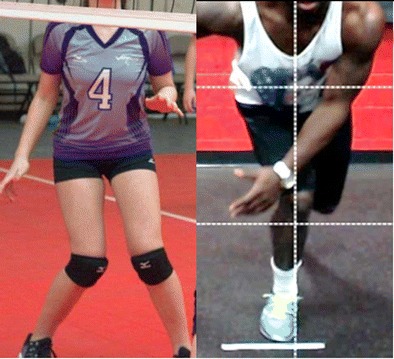
Recent findings: Faulty mechanics during dynamic movement that cause excessive valgus force at the knee increases the risk of ACL injury. Faulty mechanics may be a result of lateral displacement of the trunk, unequal limb loading, and lack of control to avoid the valgus knee position. Altered movements that place the ACL at risk are best identified in a fatigued state; however, could be recognized in a standard dynamic assessment. The faulty movement patterns are modifiable and should be addressed in an injury prevention program. Prevention programs include various modes of exercise such as plyometrics, neuromuscular training, and strength training. This review concludes that those programs which utilize neuromuscular training and strength training at a young age show the most promise in reducing ACL injuries. An ongoing thorough dynamic examination is necessary for all athletes while adjusting the intervention program in order to decrease the risk of ACL injury.
Keywords: Anterior cruciate ligament (ACL); Knee injury; Neuromuscular training; Plyometrics; Prevention program; Strength training.
Conflict of interest statement
Conflict of Interest
The authors declare that they have no conflicts of interest.
Human and Animal Rights and Informed Consent
This article does not contain any studies with human or animal subjects performed by any of the authors.
Figures

References
-
- Meisterling SW, Schoderbek RJ, Andrews JR. Anterior cruciate ligament reconstruction. Oper Tech Sports Med. 2009;17:2–10. doi: 10.1053/j.otsm.2009.02.003. - DOI
-
- Allografts in Sports Medicine: What do we know, need to know, and need to do? Round table discussion: American Orthopedic Society for Sports Medicine; 2006. Park City, UT
-
- Holm I, Oiestad B, Risberg M, et al. No difference in prevalence of osteoarthritis or function after open versus endoscopic technique for anterior cruciate ligament reconstruction: 12-year follow-up report of randomized controlled trial. Am J Sports Med. 2012;40:2492–2498. doi: 10.1177/0363546512458766. - DOI - PubMed
-
- Dodwell E, LaMont L, Green D, et al. 20years of pediatric anterior cruciate ligament reconstruction in New York state. 2014;42:675–680. - PubMed
Publication types
LinkOut - more resources
Full Text Sources
Other Literature Sources
Research Materials
