


Histone Lysine Methylation and Neurodevelopmental Disorders
- PMID: 28665350
- PMCID: PMC5535897
- DOI: 10.3390/ijms18071404
Histone Lysine Methylation and Neurodevelopmental Disorders
Abstract
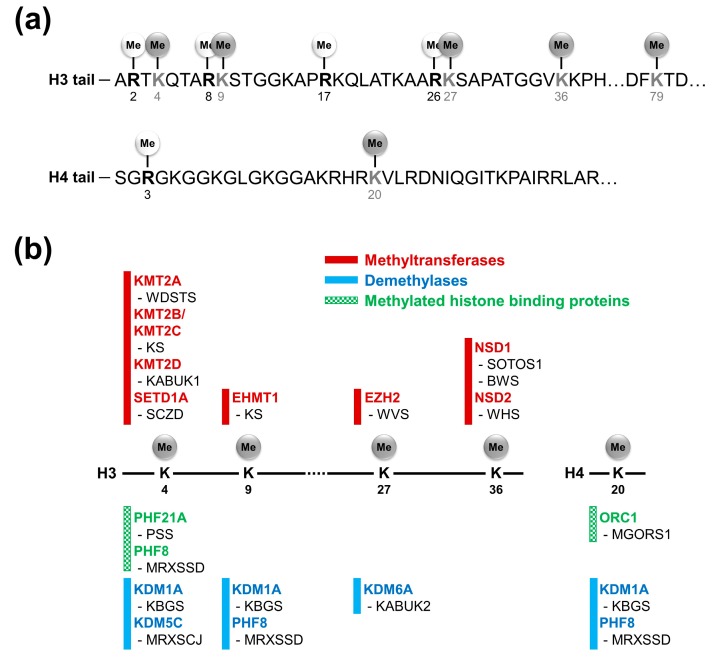
Methylation of several lysine residues of histones is a crucial mechanism for relatively long-term regulation of genomic activity. Recent molecular biological studies have demonstrated that the function of histone methylation is more diverse and complex than previously thought. Moreover, studies using newly available genomics techniques, such as exome sequencing, have identified an increasing number of histone lysine methylation-related genes as intellectual disability-associated genes, which highlights the importance of accurate control of histone methylation during neurogenesis. However, given the functional diversity and complexity of histone methylation within the cell, the study of the molecular basis of histone methylation-related neurodevelopmental disorders is currently still in its infancy. Here, we review the latest studies that revealed the pathological implications of alterations in histone methylation status in the context of various neurodevelopmental disorders and propose possible therapeutic application of epigenetic compounds regulating histone methylation status for the treatment of these diseases.
Keywords: epigenetic changes; histone lysine methylation; lysine demethylase; lysine methyltransferase; neurodevelopmental disorder.
Conflict of interest statement
The authors declare no conflict of interest.
Figures
References
Publication types
MeSH terms
Substances
LinkOut - more resources
Full Text Sources
Other Literature Sources
