


Takotsubo cardiomyopathy complicated with apical thrombus formation on first day of the illness: a case report and literature review
- PMID: 28673245
- PMCID: PMC5496147
- DOI: 10.1186/s12872-017-0616-0
Takotsubo cardiomyopathy complicated with apical thrombus formation on first day of the illness: a case report and literature review
Abstract
Background: Takotsubo cardiomyopathy is characterized by transient systolic dysfunction of the apical and mid segments of the left ventricle in the absence of obstructive coronary artery disease. Intraventricular thrombus formation is a rare complication of Takotsubo cardiomyopathy and current data almost exclusively consists of isolated case reports and a few case series. Here we describe a case of Takotsubo cardiomyopathy with formation of an apical thrombus within 24 h of symptom onset, which has been reported in the literature only once previously, to the best of our knowledge. We have reviewed the available literature that may aid clinicians in their approach to the condition, since no published guidelines are available.
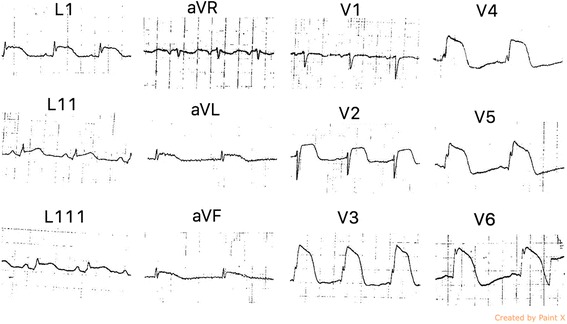
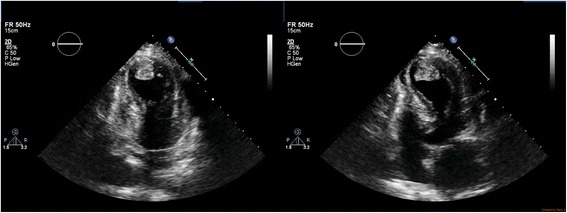
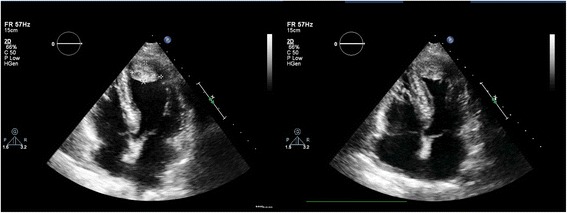
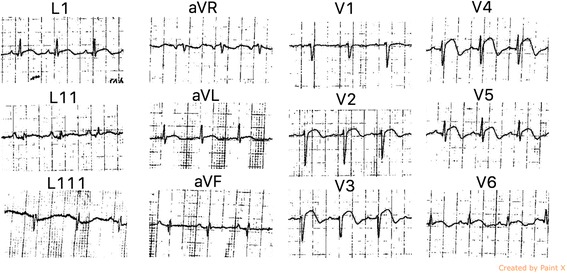
Case presentation: A 68-year-old Sri Lankan female presented to a local hospital with chest pain. Electrocardiogram (ECG) showed ST elevation, and antiplatelets, intravenous streptokinase and a high dose statin were administered. Despite this ST elevation persisted; however the coronary angiogram was negative for obstructive coronary artery disease. Echocardiogram revealed hypokinesia of the mid and apical segments of the left ventricle with typical apical ballooning and a sizable apical thrombus. She had recently had a viral infection and was also emotionally distressed as her sister was recently diagnosed with a terminal cancer. A diagnosis of Takotsubo cardiomyopathy was made and anticoagulation was started with heparin and warfarin. The follow up echocardiogram performed 1 week later revealed a small persistent thrombus, which had completely resolved at 3 weeks.
Conclusion: Though severe systolic dysfunction is observed in almost all the patients with Takotsubo cardiomyopathy, intraventricular thrombus formation on the first day of the illness is rare. The possibility of underdiagnosis of thrombus can be prevented by early echocardiogram in Takotsubo cardiomyopathy. The majority of reports found in the literature review were of cases that had formed an intraventriclar thrombus within the first 2 weeks, emphasizing the importance of follow up echocardiography at least 2 weeks later. The management of a left ventricular thrombus in Takotsubo cardiomyopathy is controversial and in most cases warfarin and heparin were used for a short duration.
Keywords: Case report; Early left ventricular thrombus; Streptokinase; Takotsubo cardiomyopathy.
Conflict of interest statement
Ethics approval and consent to participate
Not applicable. Study approval was not necessary as this is a case report and consent for publication was taken from the patients.
Consent for publication
Written informed consent was obtained from the patients for publication of this case report and any accompanying images. A copy of the written consent is available for review by the Editor-in-Chief of this journal.
Competing interests
The authors declare that they have no competing interests.
Publisher’s Note
Springer Nature remains neutral with regard to jurisdictional claims in published maps and institutional affiliations.
Figures
References
-
- Paur H, Wright PT, Sikkel MB, Tranter MH, Mansfield C, O’Gara P, et al. High levels of circulating epinephrine trigger apical cardiodepression in a beta2-adrenergic receptor/Gi-dependent manner: a new model of Takotsubo cardiomyopathy. Circulation. 2012;126(6):697–706. doi: 10.1161/CIRCULATIONAHA.112.111591. - DOI - PMC - PubMed
Publication types
MeSH terms
Substances
LinkOut - more resources
Full Text Sources
Other Literature Sources
Medical
