


Fluoroacetate in plants - a review of its distribution, toxicity to livestock and microbial detoxification
- PMID: 28674607
- PMCID: PMC5485738
- DOI: 10.1186/s40104-017-0180-6
Fluoroacetate in plants - a review of its distribution, toxicity to livestock and microbial detoxification
Abstract
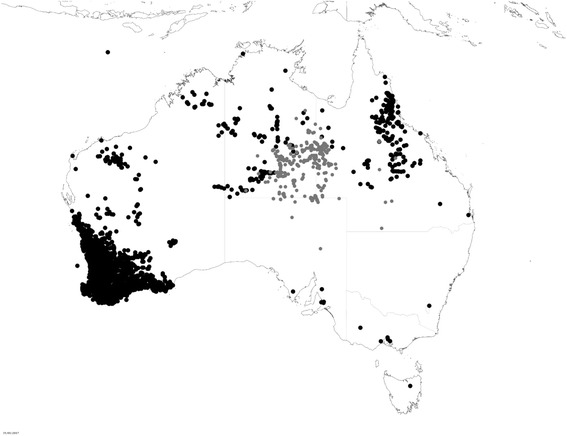
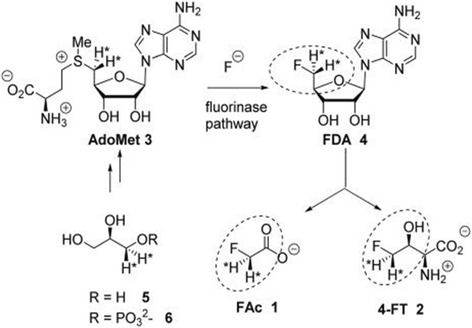
Fluoroacetate producing plants grow worldwide and it is believed they produce this toxic compound as a defence mechanism against grazing by herbivores. Ingestion by livestock often results in fatal poisonings, which causes significant economic problems to commercial farmers in many countries such as Australia, Brazil and South Africa. Several approaches have been adopted to protect livestock from the toxicity with limited success including fencing, toxic plant eradication and agents that bind the toxin. Genetically modified bacteria capable of degrading fluoroacetate have been able to protect ruminants from fluoroacetate toxicity under experimental conditions but concerns over the release of these microbes into the environment have prevented the application of this technology. Recently, a native bacterium from an Australian bovine rumen was isolated which can degrade fluoroacetate. This bacterium, strain MFA1, which belongs to the Synergistetes phylum degrades fluoroacetate to fluoride ions and acetate. The discovery and isolation of this bacterium provides a new opportunity to detoxify fluoroacetate in the rumen. This review focuses on fluoroacetate toxicity in ruminant livestock, the mechanism of fluoroacetate toxicity, tolerance of some animals to fluoroaceate, previous attempts to mitigate toxicity, aerobic and anaerobic microbial degradation of fluoroacetate, and future directions to overcome fluoroacetate toxicity.
Keywords: 1080; Aerobic; Anaerobic; Degradation; Dehalogenase; Fluoroacetate; Synergistetes; TCA; Toxicity.
Figures


References
-
- Adams DEC, Halden RU. Fluorinated Chemicals and the Impacts of Anthropogenic Use. Contaminants of Emerging Concern in the Environment: Ecological and Human Health Considerations. J Am Chem Soc. 2010;1048:539–560.
-
- Minnaar PP, McCrindle RI, Naude TW, Botha CJ. Investigation of biological samples from monofluoroacetate and Dichapetalum cymosum poisoning in southern Africa. Onderstepoort J Vet Res. 2000;67:27–30. - PubMed
-
- Marais JSC. Isolation of the toxic principle “K cymonate” from “Gifblaar” Dichapetalum cymosum. Onderstepoort J Vet Sci Anim Ind. 1943;18:203–206.
-
- Medeiros RMT, Geraldo Neto SA. Sudden bovine death from Mascagnia rigida in Northeastern Brazil. Vet Hum Toxicol. 2002;44:286–288. - PubMed
Publication types
LinkOut - more resources
Full Text Sources
Other Literature Sources
