


The significance of a nineteenth century definition in the era of genomics: linitis plastica
- PMID: 28679451
- PMCID: PMC5498981
- DOI: 10.1186/s12957-017-1187-3
The significance of a nineteenth century definition in the era of genomics: linitis plastica
Abstract
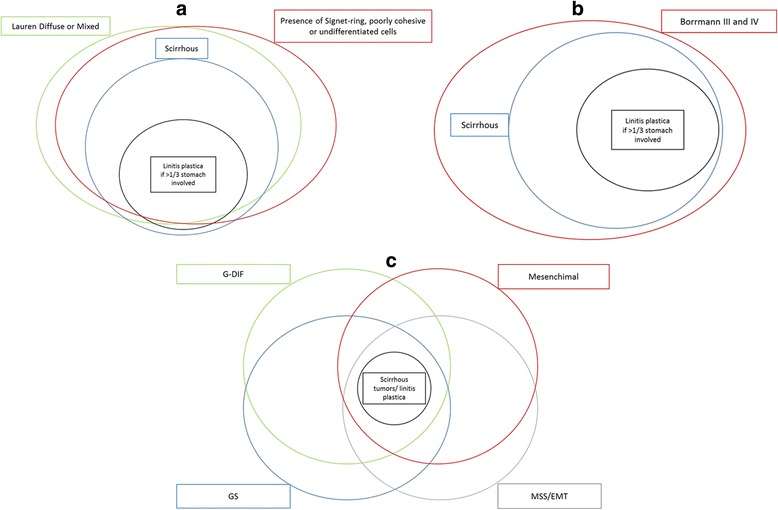
Background: Linitis plastica due to gastric adenocarcinoma is a condition with a long history, but still lacks a standardized definition and is commonly confused with Borrmann type IV, Lauren diffuse, and signet-cell type gastric cancer. The absence of a clear definition is a problem when investigating its biological characteristics and role as a possible independent factor for prognosis. Nevertheless, the biological behavior for linitis plastica, which is unique, may be valuable in risk stratification and have implications for treatment. A definition of linitis plastica based on molecular or genomic criteria could represent a useful starting point for investigating new targeted therapies.
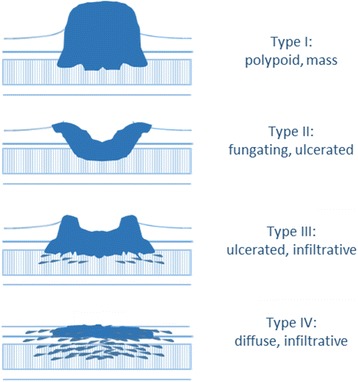
Main body: This literature review of linitis plastica will focus on the current classifications for gastric cancer, illustrating how the concept of linitis plastica relates to them in most cases and identifying a clear and reproducible definition. Moreover, the review will highlight the diagnostic challenges associated with linitis plastica, its prognostic implications, and the therapeutic options available. Future perspectives for its management are also addressed.
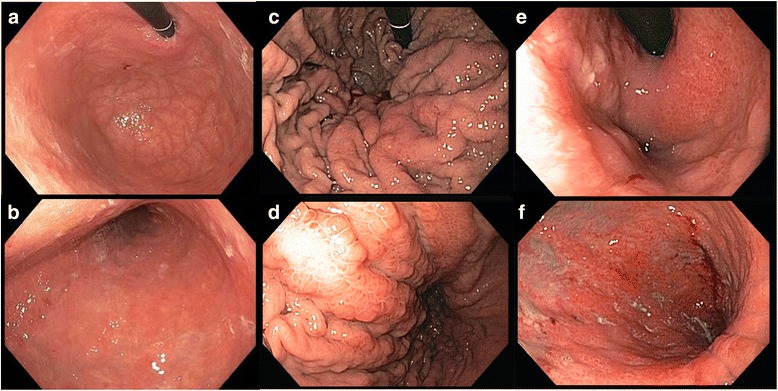
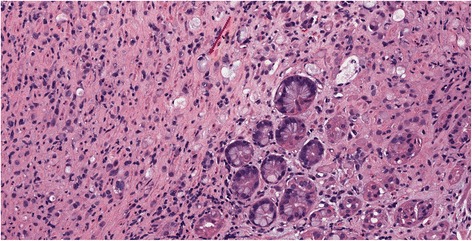
Conclusion: Linitis plastica is a carcinoma with a scirrhous stroma, involving the submucosal and muscular layers of the stomach even in the absence of mucosal alteration. In most cases, the primary cancer cells are signet-ring cells or scattered cells in the context of a poorly differentiated carcinoma. Diagnosis is challenging. Staging should be thorough, including diagnostic laparoscopy in all cases due to the high incidence of peritoneal involvement. The prognostic significance of linitis plastica is still controversial. Curative-intent surgery, when feasible, should be performed, with a multimodality treatment approach. Cancer-stroma interactions are important features of this disease, and represent attaining potential target for future therapies. Future pathologic assessments of gastric cancer should report the stromal reaction in order to allow better characterization of the tumor.
Keywords: Borrmann type IV; Diffuse; Gastric cancer; Linitis plastica; Scirrhous carcinoma; Signet ring.
Conflict of interest statement
Consent for publication
Not applicable.
Competing interests
The authors declare that they have no competing interests.
Publisher’s Note
Springer Nature remains neutral with regard to jurisdictional claims in published maps and institutional affiliations.
Figures

References
-
- Stout AP. Tumors of the stomach. Washington: Armed Forces Institute of Pathology; 1953.
-
- Borrmann R. Geschwülste des Magens und Duodenums. Verdauungsschlauch. Berlin: Springer; 1926. p. 812-1054.
Publication types
MeSH terms
Substances
LinkOut - more resources
Full Text Sources
Other Literature Sources
Medical
