Adenomatous Tumors of the Middle Ear: A Literature Review
- PMID: 28680503
- PMCID: PMC5495583
- DOI: 10.1055/s-0037-1601400
Adenomatous Tumors of the Middle Ear: A Literature Review
Abstract
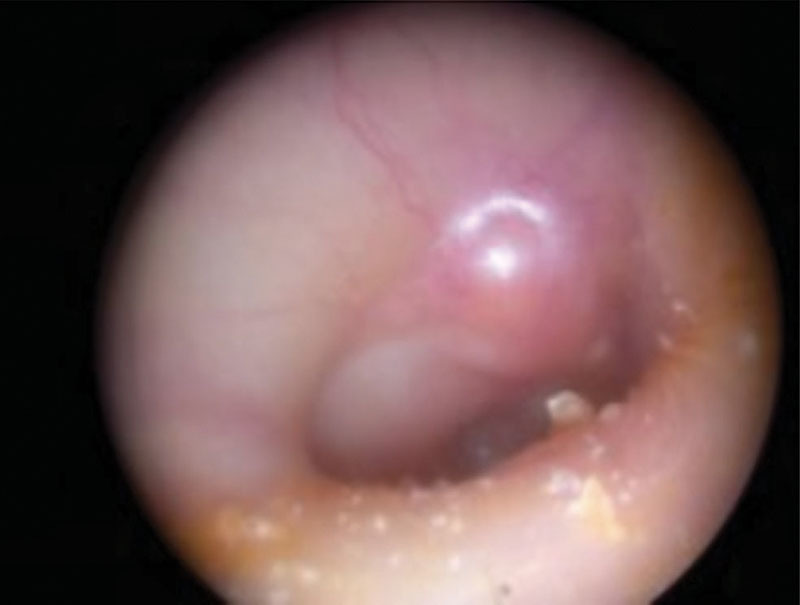
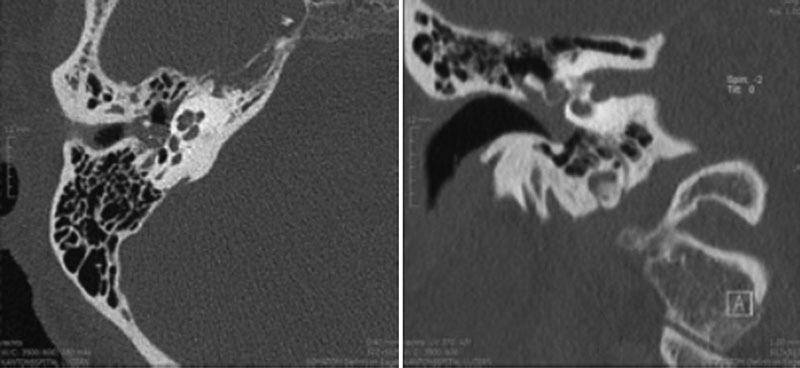
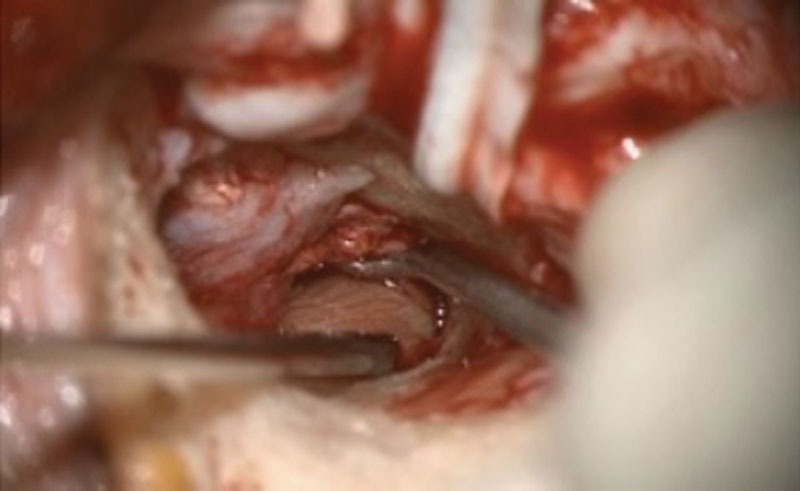
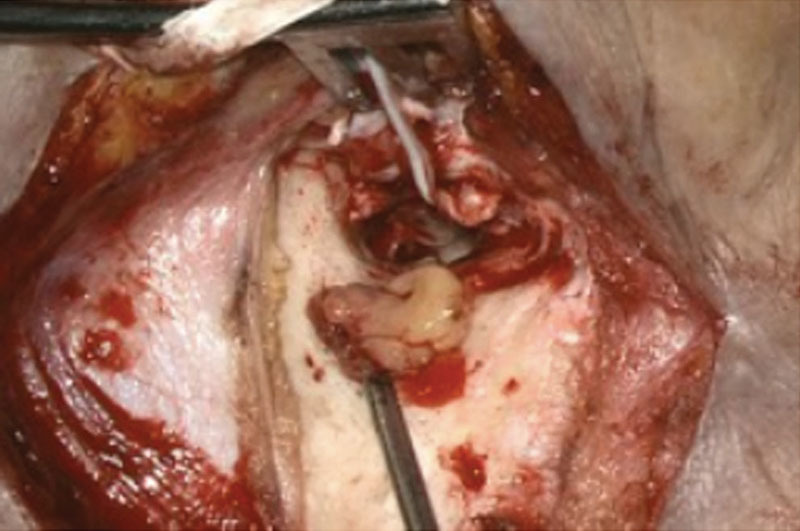
Introduction Neuroendocrine adenomas of the middle ear (NAME) are uncommon causes of middle ear masses. Mostly limited to case reports and small series, the literature is poor in providing an overall assessment of these tumors. Objective To review the current literature about all aspects of the disease, including its etiology, clinical manifestations, diagnosis, and treatment. Data Synthesis The pathogenesis of adenomatous tumors of the middle ear is not clear yet. One potential explanation is that an undifferentiated pluripotent endodermal stem cell may still be present in the middle ear mucosal surface, and may be the origin of the tumors. It typically appears as a nonspecific retrotympanic mass. The average age of onset for the disease is the fifth decade, and the most common clinical symptom is conductive hearing loss. Malign behavior is rare. There are numerous differential diagnoses of NAME. The final diagnosis depends on microscopic findings. The preoperative evaluation should include the use of computed tomography and magnetic resonance imaging. The adjunctive therapy of middle ear adenomatous tumors with radiotherapy, chemotherapy or somatostatin analogs is generally not recommended. Conclusion There is still much debate on pathogenesis and classification of NAME. Saliba's classification is currently the most complete and preferable one. Aggressive surgical procedure with ossicular chain excision is the gold standard treatment. Follow-up with physical and radiological exams is mandatory, particularly if the first procedure was conservative, without the removal of the encased ossicles.
Keywords: adenoma; middle ear; neuroendocrine tumors.
Figures
References
-
- Hyams V J, Michaels L. Benign adenomatous neoplasm (adenoma) of the middle ear. Clin Otolaryngol Allied Sci. 1976;1(01):17–26. - PubMed
-
- Murphy G F, Pilch B Z, Dickersin G R, Goodman M L, Nadol J B., Jr Carcinoid tumor of the middle ear. Am J Clin Pathol. 1980;73(06):816–823. - PubMed
-
- Torske K R, Thompson LD R. Adenoma versus carcinoid tumor of the middle ear: a study of 48 cases and review of the literature. Mod Pathol. 2002;15(05):543–555. - PubMed
Publication types
LinkOut - more resources
Full Text Sources
Other Literature Sources