


Reorganization of gene network for degradation of polycyclic aromatic hydrocarbons (PAHs) in Pseudomonas aeruginosa PAO1 under several conditions
- PMID: 28685384
- PMCID: PMC5655620
- DOI: 10.1007/s13353-017-0402-9
Reorganization of gene network for degradation of polycyclic aromatic hydrocarbons (PAHs) in Pseudomonas aeruginosa PAO1 under several conditions
Abstract
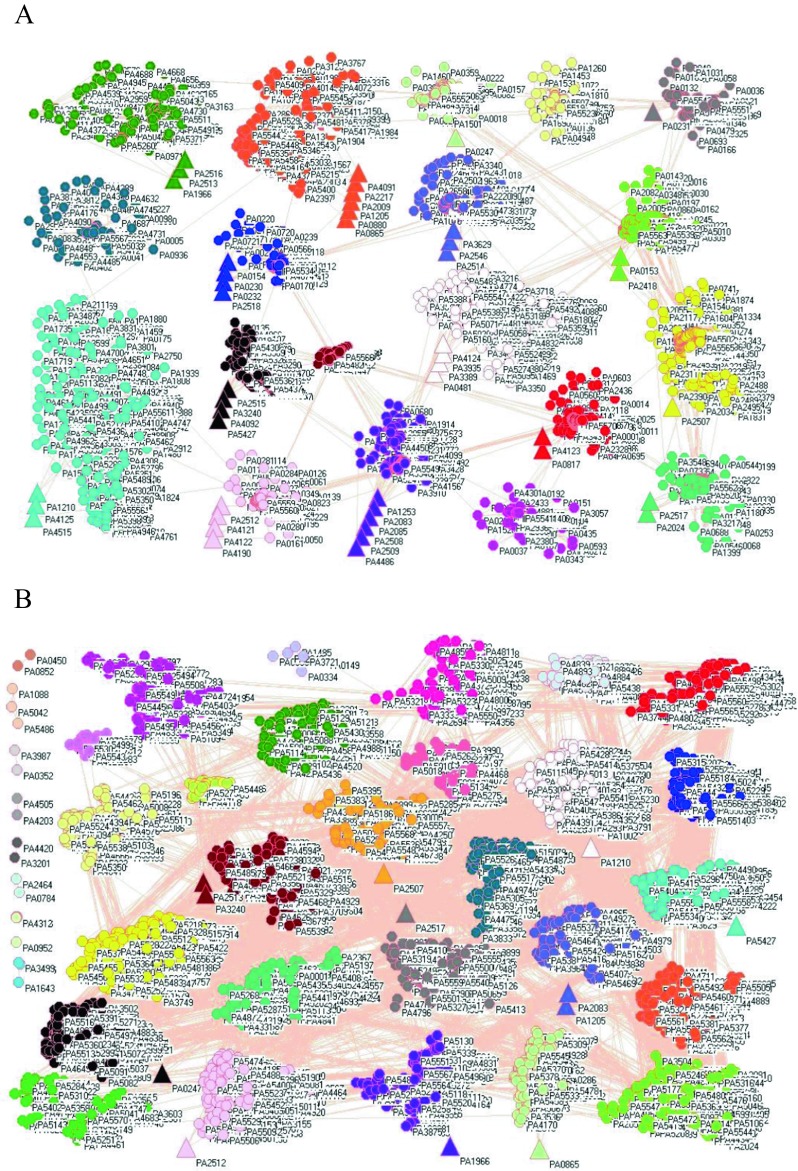
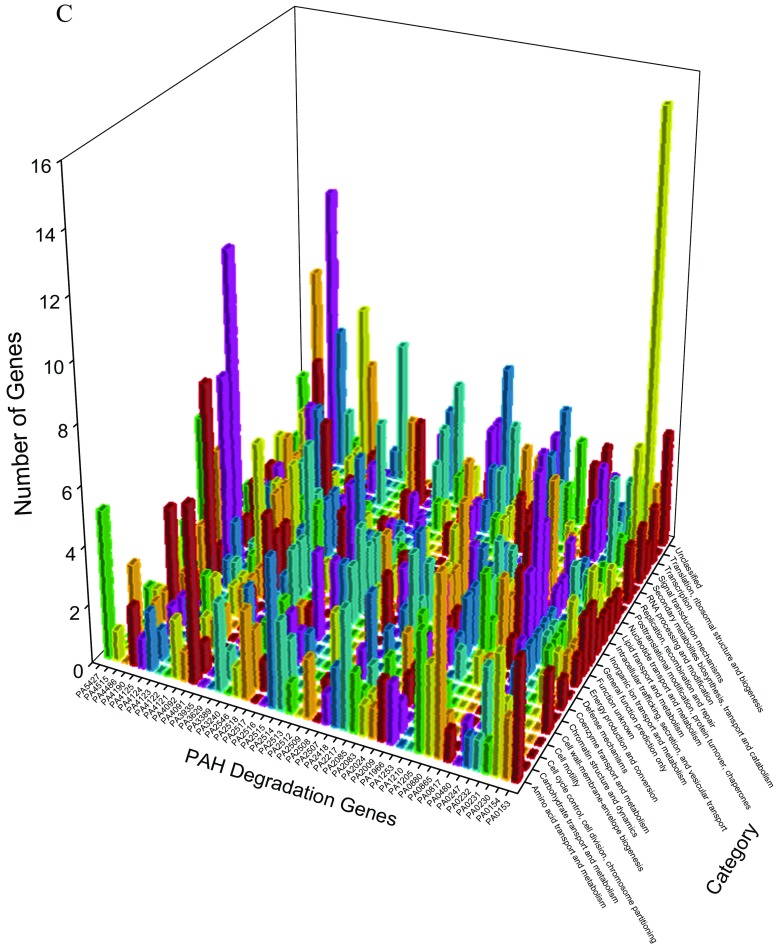
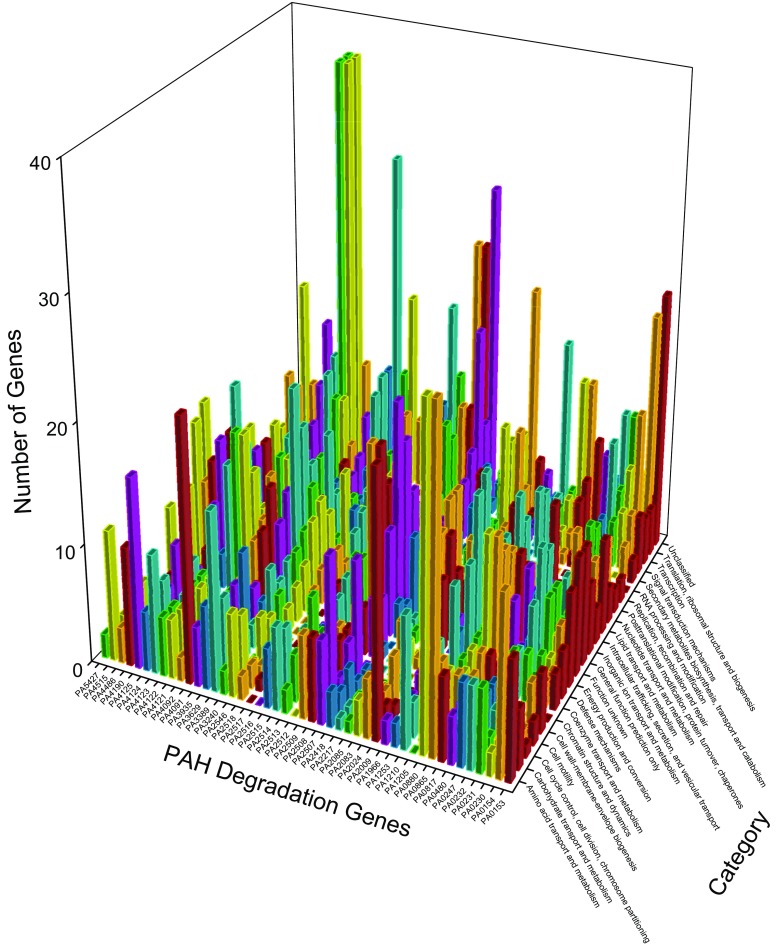
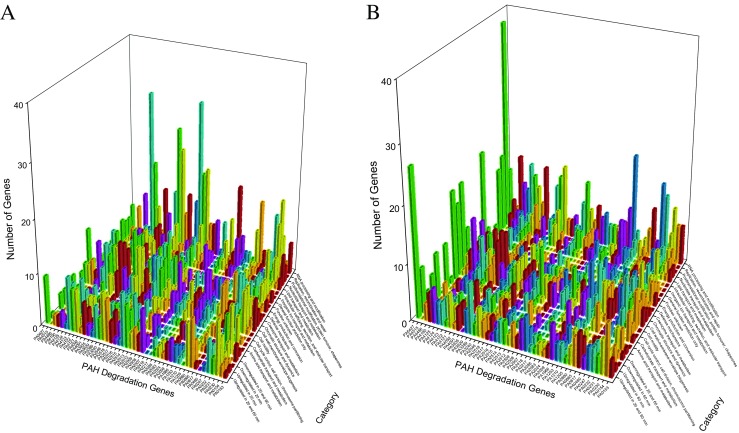
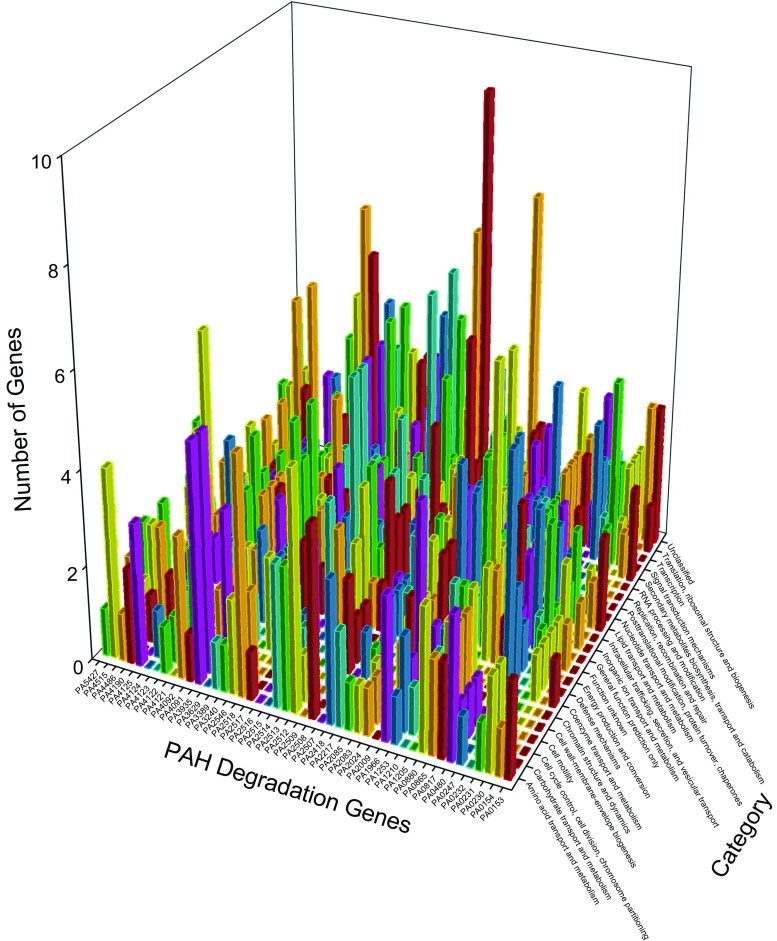
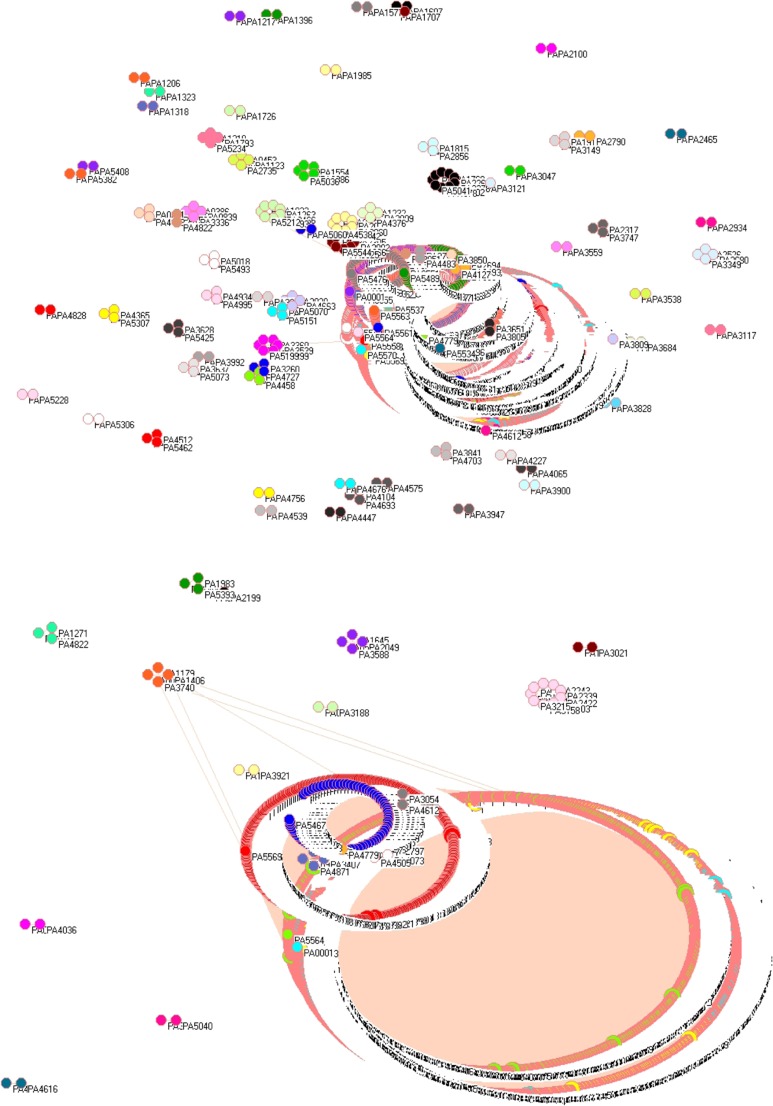
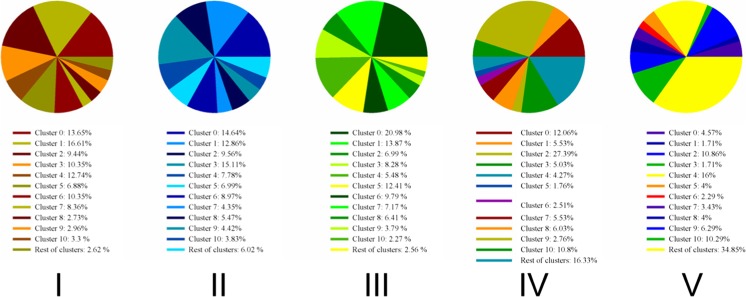
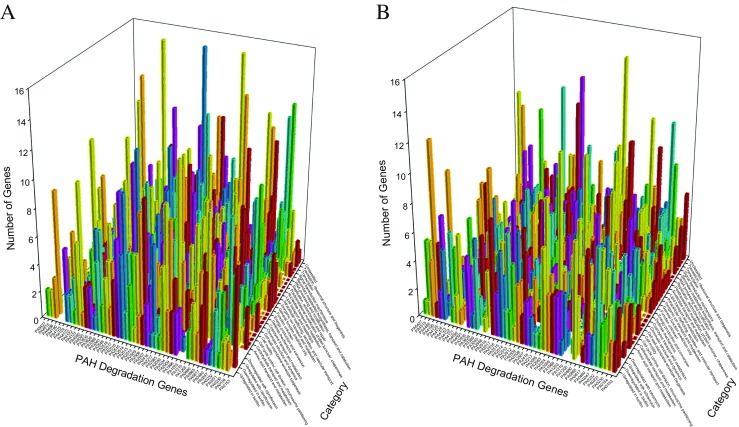
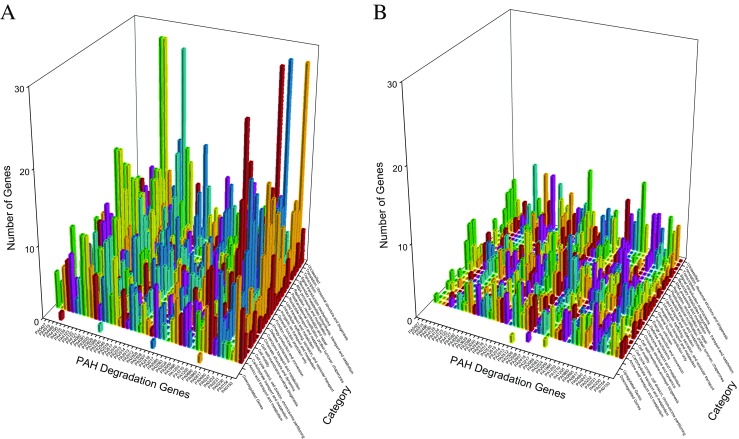
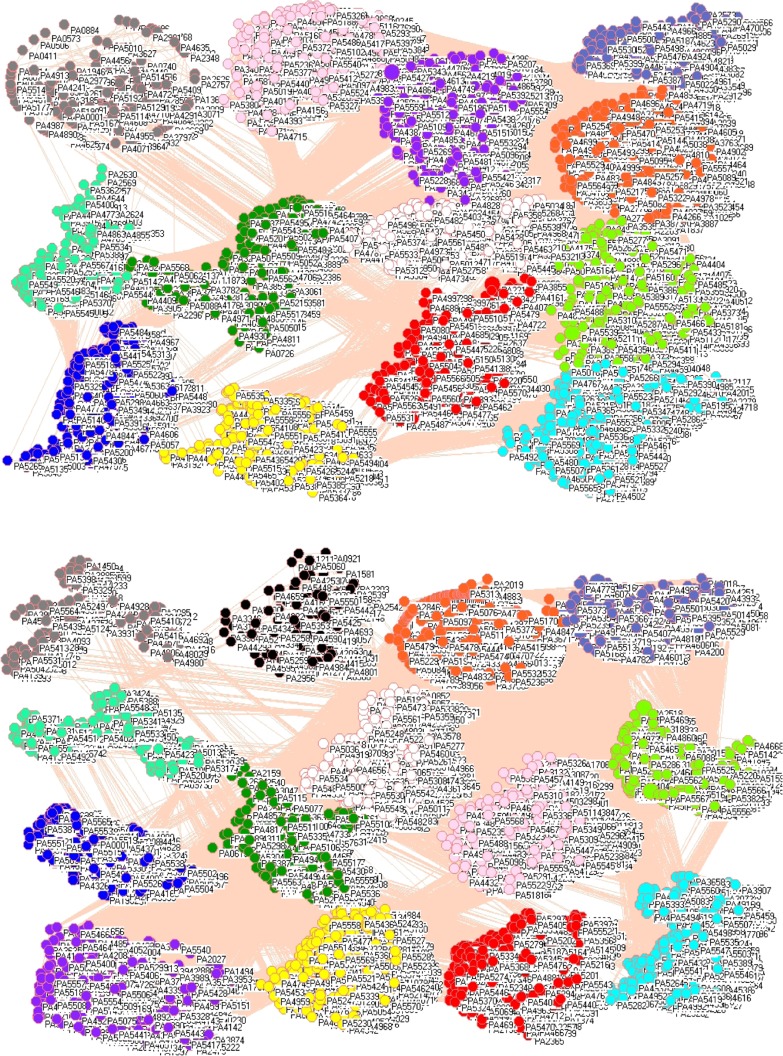
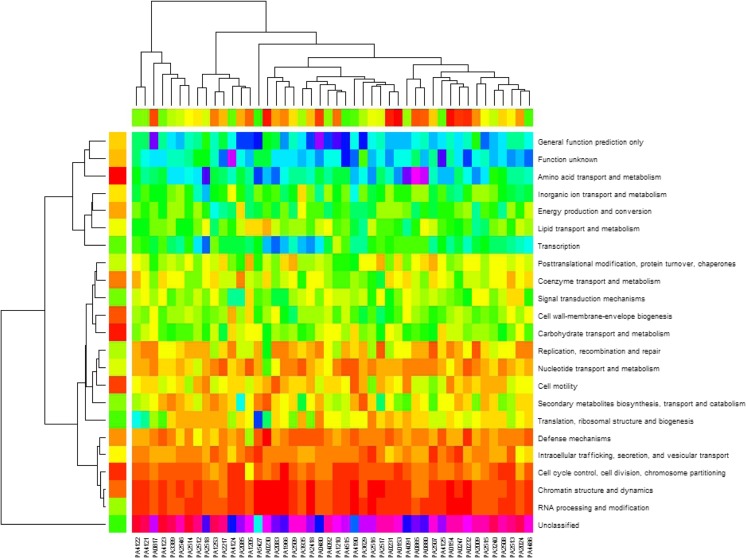
Although polycyclic aromatic hydrocarbons (PAHs) are harmful to human health, their elimination from the environment is not easy. Biodegradation of PAHs is promising since many bacteria have the ability to use hydrocarbons as their sole carbon and energy sources for growth. Of various microorganisms that can degrade PAHs, Pseudomonas aeruginosa is particularly important, not only because it causes a series of diseases including infection in cystic fibrosis patients, but also because it is a model bacterium in various studies. The genes that are responsible for degrading PAHs have been identified in P. aeruginosa, however, no gene acts alone as various stresses often initiate different metabolic pathways, quorum sensing, biofilm formation, antibiotic tolerance, etc. Therefore, it is important to study how PAH degradation genes behave under different conditions. In this study, we apply network analysis to investigating how 46 PAH degradation genes reorganized among 5549 genes in P. aeruginosa PAO1 under nine different conditions using publicly available gene coexpression data from GEO. The results provide six aspects of novelties: (i) comparing the number of gene clusters before and after stresses, (ii) comparing the membership in each gene cluster before and after stresses, (iii) defining which gene changed its membership together with PAH degradation genes before and after stresses, (iv) classifying membership-changed-genes in terms of category in Pseudomonas Genome Database, (v) postulating unknown gene's function, and (vi) proposing new mechanisms for genes of interests. This study can shed light on understanding of cooperative mechanisms of PAH degradation from the level of entire genes in an organism, and paves the way to conduct the similar studies on other genes.
Keywords: Bioinformatics; Network; Polycyclic aromatic hydrocarbon degradation gene; Pseudomonas Aeruginosa.
Conflict of interest statement
Funding
This study was partly supported by research grants from National Natural Science Foundation of China (31460296 and 31560315), and Special Funds for Building of Guangxi Talent Highland.
Conflict of interest
Authors declare that they have no conflict of interest.
Ethical approval
This article does not contain any studies with human participants or animals performed by any of the authors.
Figures
References
-
- Balashova NV, Stolz A, Knackmuss HJ, Kosheleva IA, Naumov AV, Boronin AM. Purification and characterization of a salicylate hydroxylase involved in 1-hydroxy-2-naphthoic acid hydroxylation from the naphthalene and phenanthrene-degrading bacterial strain Pseudomonas putida BS202-P1. Biodegradation. 2001;12:179–188. doi: 10.1023/A:1013126723719. - DOI - PubMed
-
- Barrett T, Wilhite SE, Ledoux P, Evangelista C, Kim IF, Tomashevsky M, Marshall KA, Phillippy KH, Sherman PM, Holko M, Yefanov A, Lee H, Zhang N, Robertson CL, Serova N, Davis S, Soboleva A. NCBI GEO: archive for functional genomics data sets--update. Nucleic Acids Res. 2013;41:D991–D995. doi: 10.1093/nar/gks1193. - DOI - PMC - PubMed
MeSH terms
Substances
LinkOut - more resources
Full Text Sources
Other Literature Sources
