


The Use of Religious Coping Methods in a Secular Society: A Survey Study Among Cancer Patients in Sweden
- PMID: 28690385
- PMCID: PMC5476191
- DOI: 10.1177/1054137315614513
The Use of Religious Coping Methods in a Secular Society: A Survey Study Among Cancer Patients in Sweden
Abstract
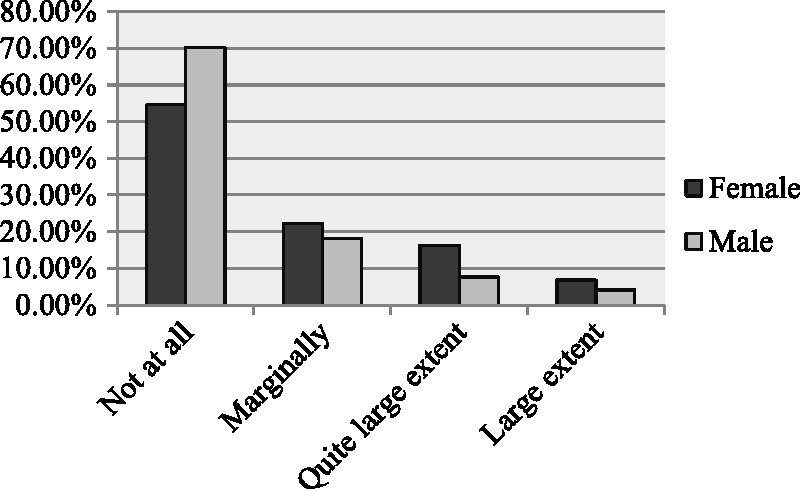
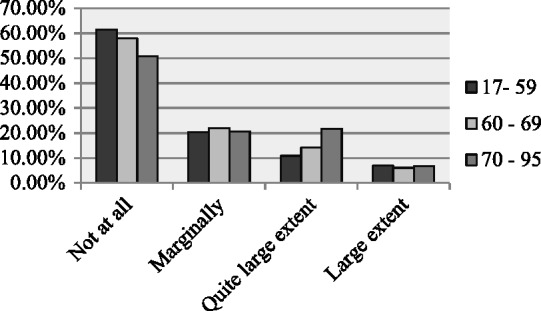
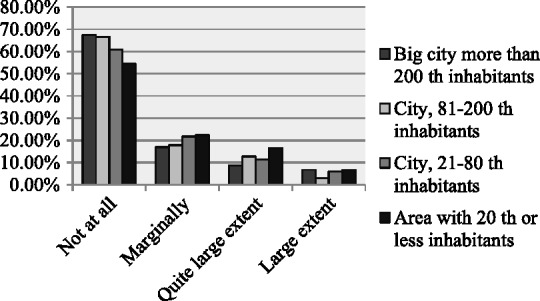
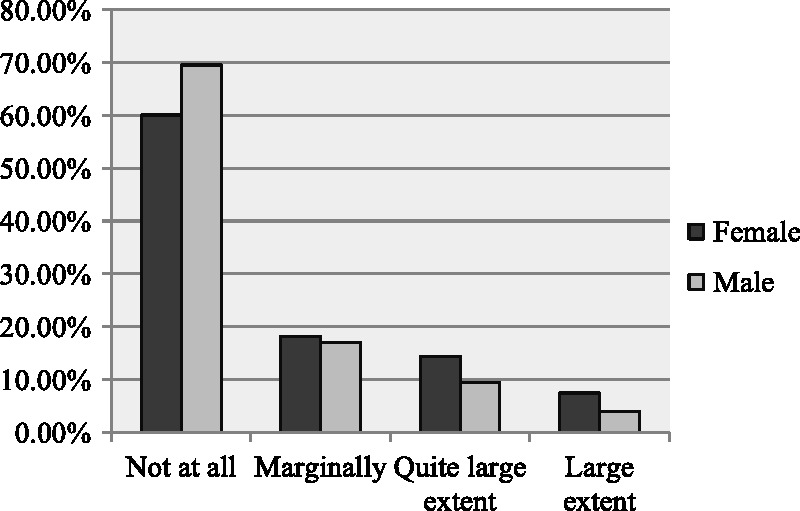
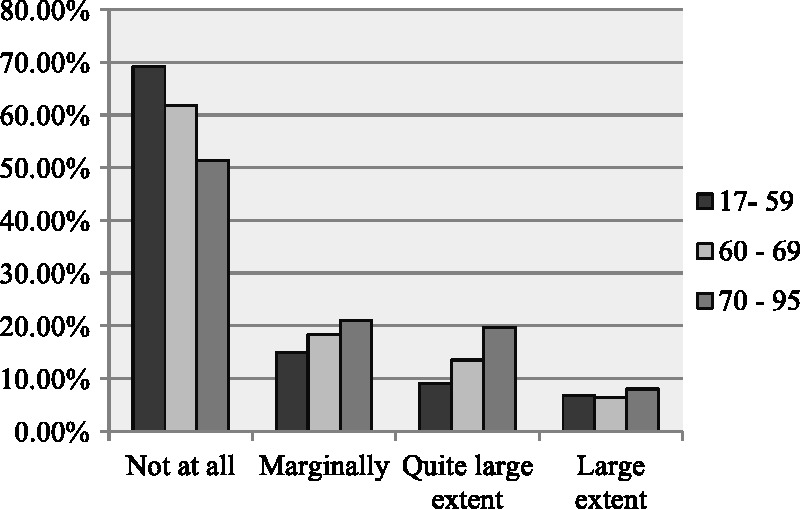
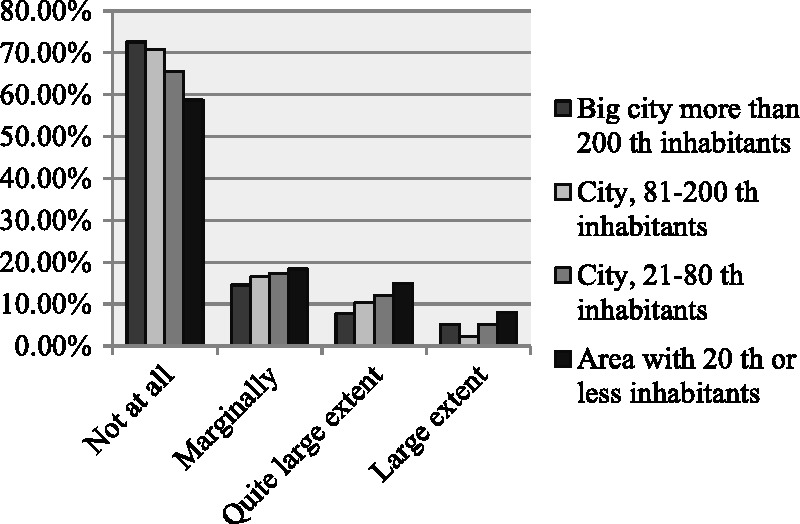
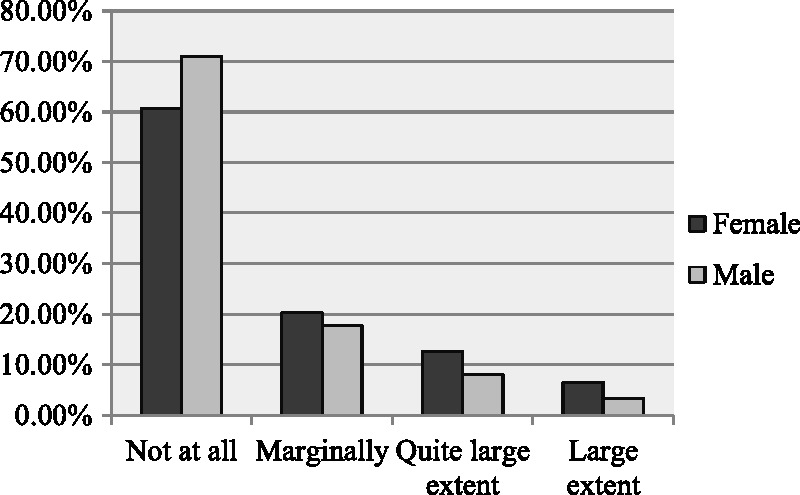
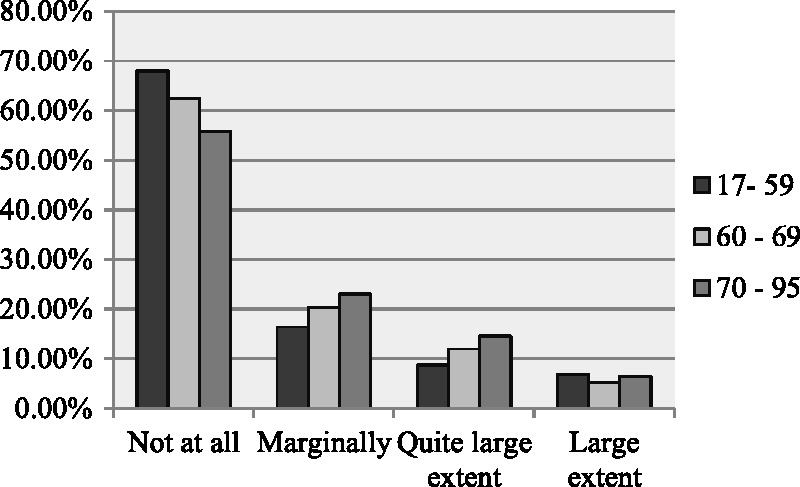
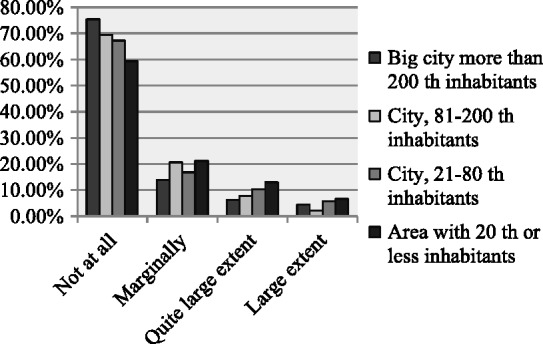
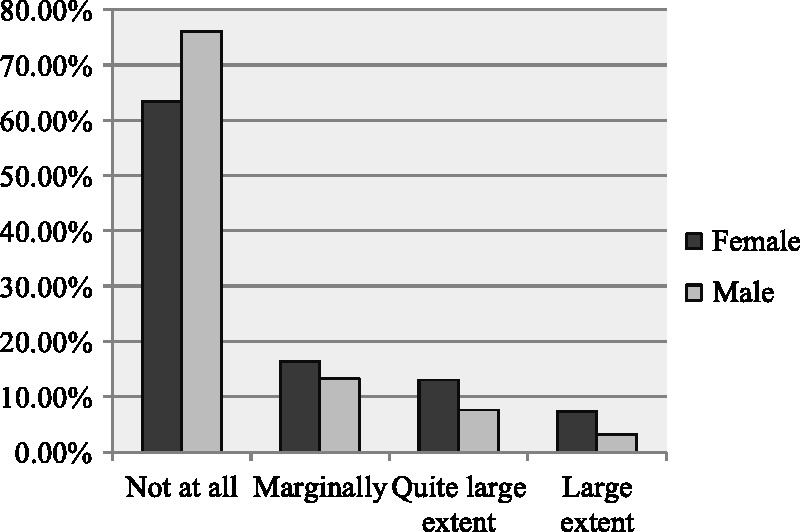
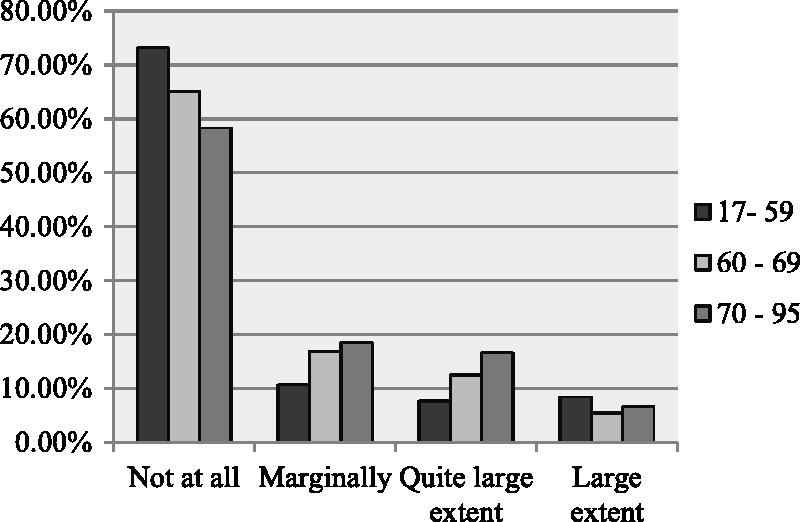
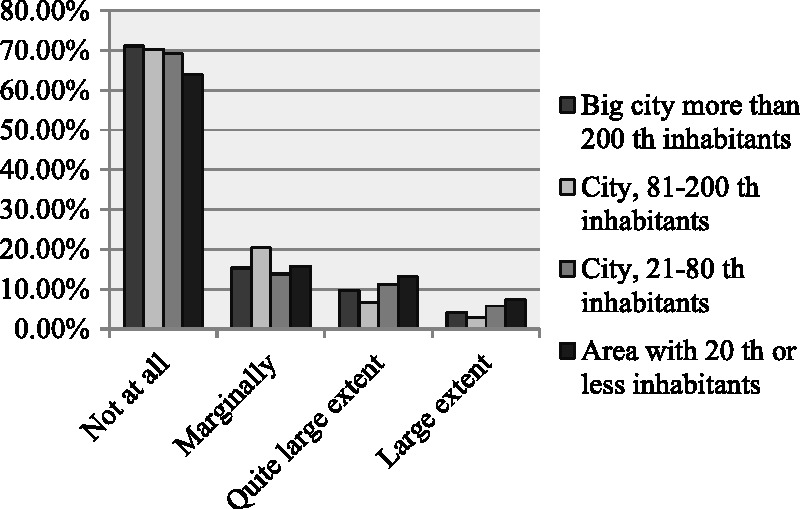
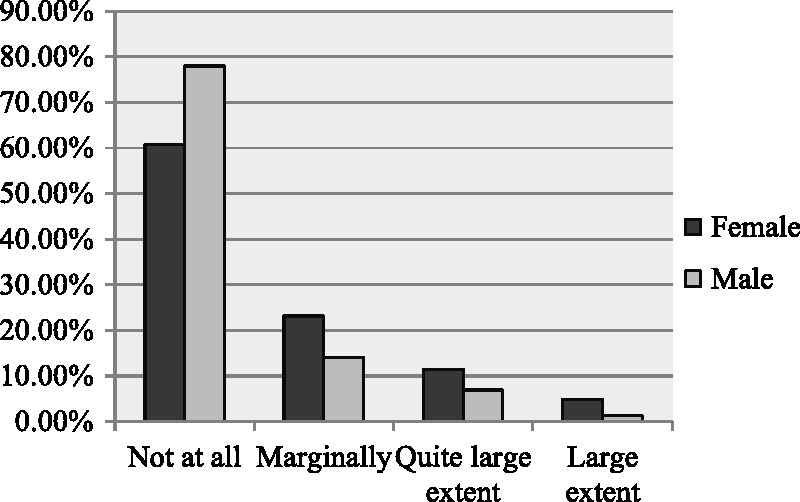
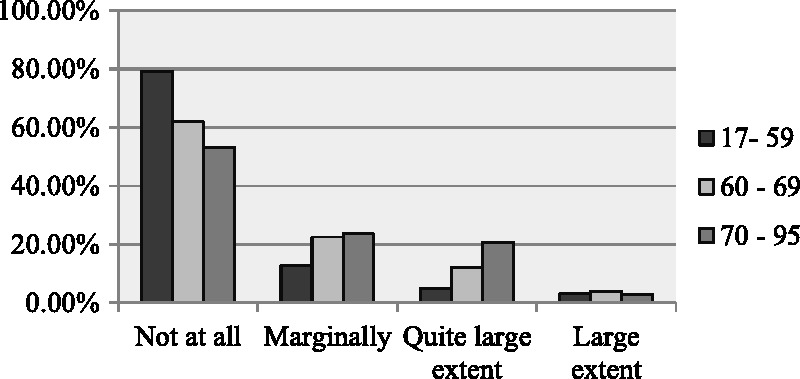
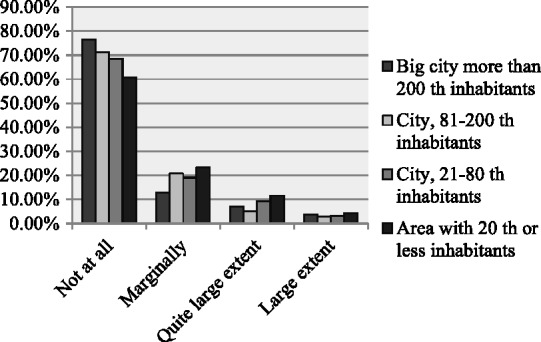
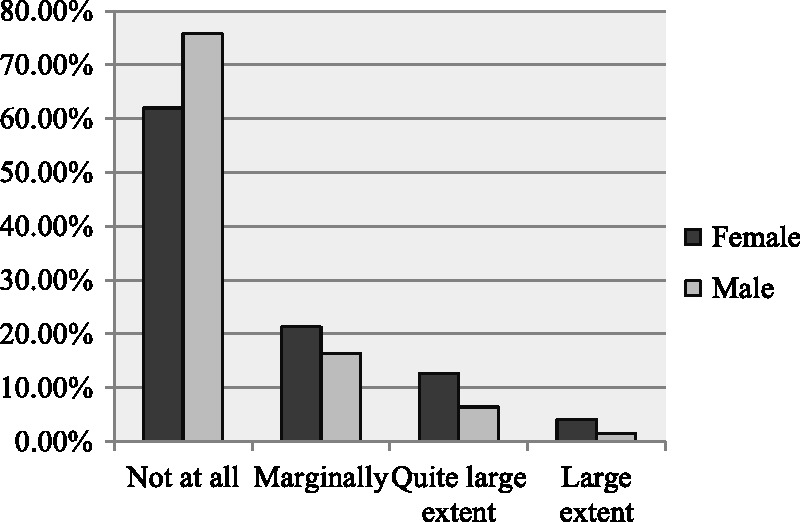
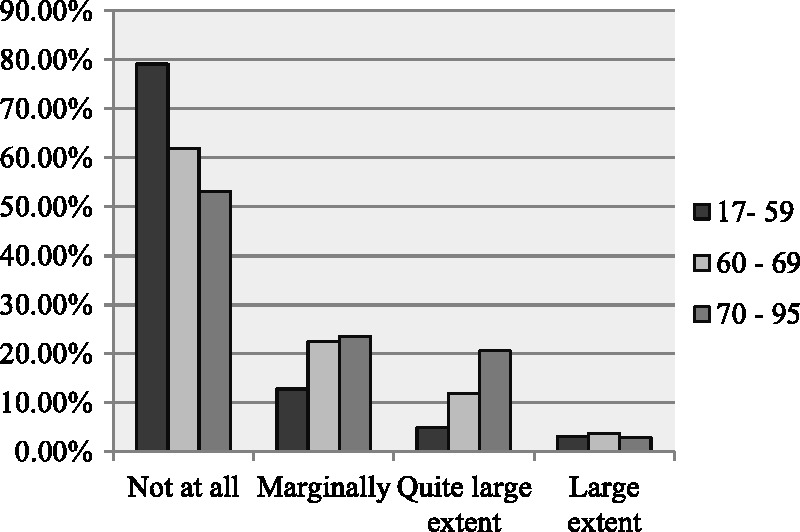
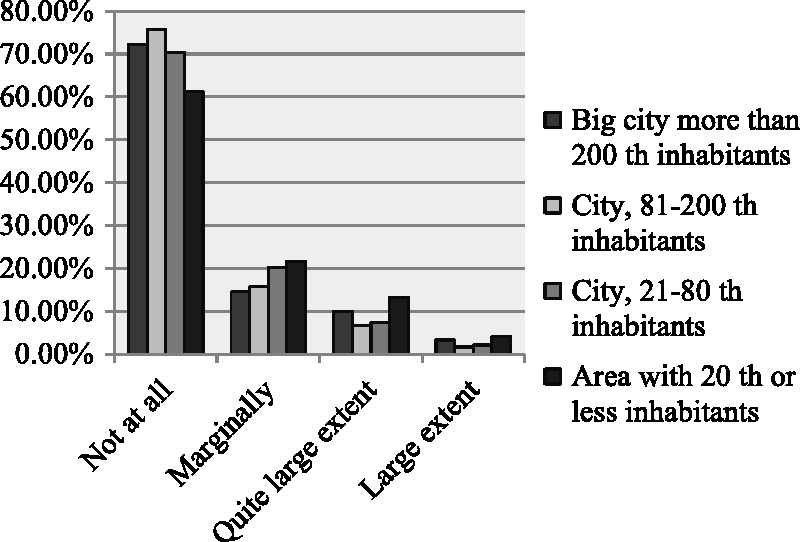
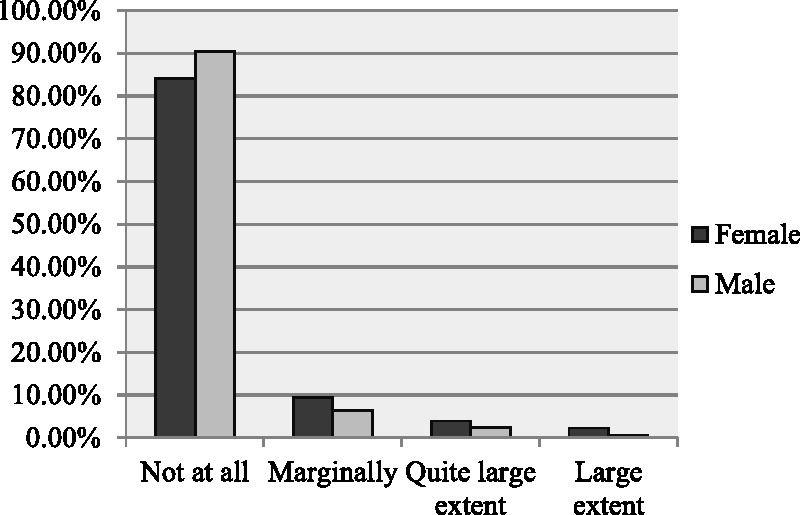
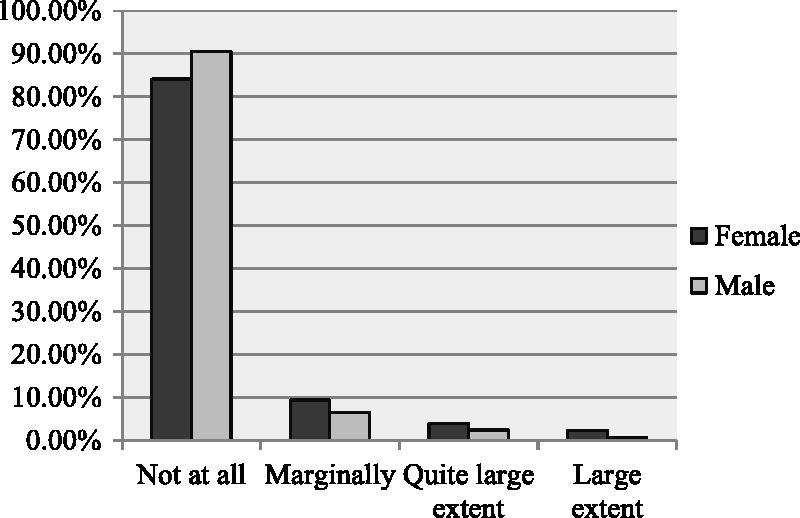
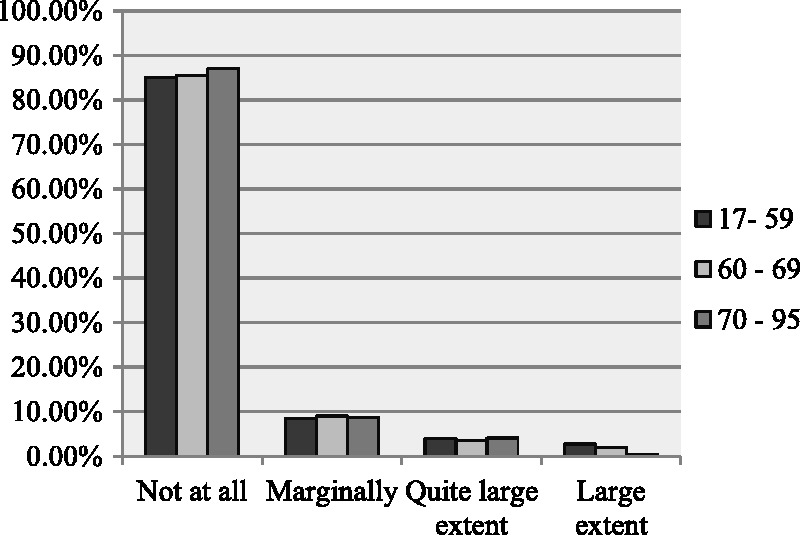
In the present article, based on results from a survey study in Sweden among 2,355 cancer patients, the role of religion in coping is discussed. The survey study, in turn, was based on earlier findings from a qualitative study of cancer patients in Sweden. The purpose of the present survey study was to determine to what extent results obtained in the qualitative study can be applied to a wider population of cancer patients in Sweden. The present study shows that use of religious coping methods is infrequent among cancer patients in Sweden. Besides the two methods that are ranked in 12th and 13th place, that is, in the middle (Listening to religious music and Praying to God to make things better), the other religious coping methods receive the lowest rankings, showing how nonsignificant such methods are in coping with cancer in Sweden. However, the question of who turns to God and who is self-reliant in a critical situation is too complicated to be resolved solely in terms of the strength of individuals' religious commitments. In addition to background and situational factors, the culture in which the individual was socialized is an important factor. Regarding the influence of background variables, the present results show that gender, age, and area of upbringing played an important role in almost all of the religious coping methods our respondents used. In general, people in the oldest age-group, women, and people raised in places with 20,000 or fewer residents had a higher average use of religious coping methods than did younger people, men, and those raised in larger towns.
Keywords: cancer; culture; religious coping; spiritual-oriented coping.
Figures
References
-
- Ahmadi F. (2006) Culture, religion and spirituality in coping: The example of cancer patients in Sweden, Uppsala, Sweden: Acta Universitatis Upsaliensis.
-
- Alma H. (1998) Identiteit door verbondenheid: Eden godsdienstpsychologisch onderzoek naar identificatie en christelijk geloof [Identity through alliance: A study in the psychology of religion on identification and Christian faith], Kampen, Netherlands: Kok.
-
- Bondeson U. (2003) Nordic moral climates, New Brunswick, NJ: Transaction Publishers.
-
- Buber M. (1970) I and thou, New York, NY: Charles Scribner’s Sons.
-
- Davie G. (1999) Europe: The exception that proves the rule? In: Berger P. (ed.) The desecularization of the world, Washington, DC: Ethics and Public Policy Center, pp. 65–83.
LinkOut - more resources
Full Text Sources
Other Literature Sources