


Cancer Research in the Arab World: A review of publications from seven countries between 2000-2013
- PMID: 28690885
- PMCID: PMC5488814
- DOI: 10.18295/squmj.2016.17.02.003
Cancer Research in the Arab World: A review of publications from seven countries between 2000-2013
Abstract
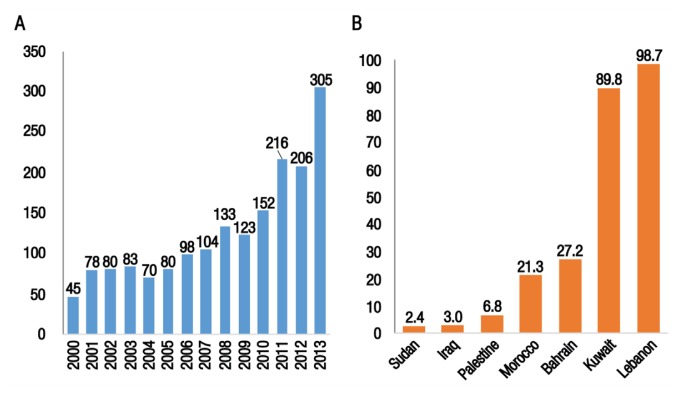
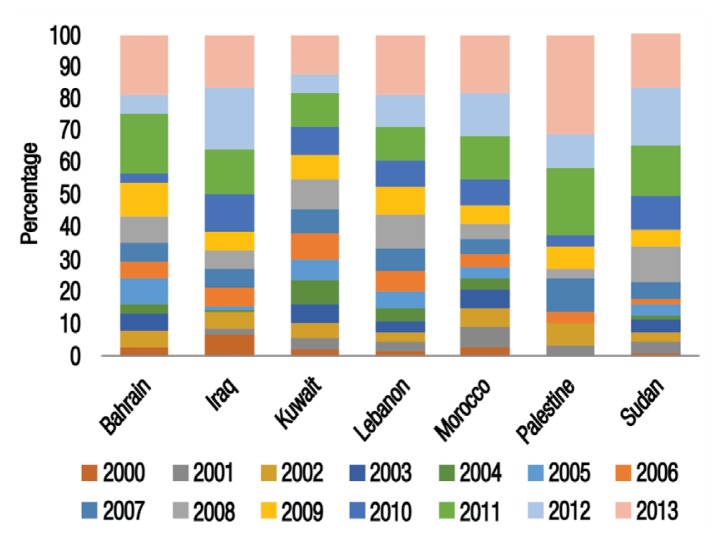
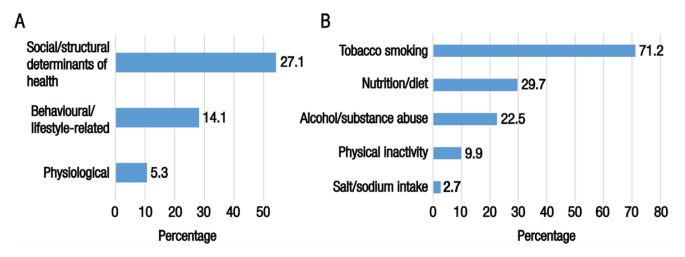
This review aimed to examine trends in cancer research in the Arab world and identify existing research gaps. A search of the MEDLINE® database (National Library of Medicine, Bethesda, Maryland, USA) was undertaken for all cancer-related publications published between January 2000 and December 2013 from seven countries, including Bahrain, Kuwait, Iraq, Lebanon, Morocco, Palestine and Sudan. A total of 1,773 articles were identified, with a significant increase in yearly publications over time (P <0.005). Only 30.6% of the publications included subjects over the age of 50 years old. There was a dearth of cross-sectional/correlational studies (8.8%), randomised controlled trials (2.4%) and systematic reviews/meta-analyses (1.3%). Research exploring cancer associations mainly considered social and structural determinants of health (27.1%), followed by behavioural risk factors (14.1%), particularly tobacco use. Overall, more cancer research is needed in the Arab world, particularly analytical studies with high-quality evidence and those focusing on older age groups and associations with physical activity and diet.
Keywords: Arab World; Cancer; Chronic Diseases; Publications; Research.
Figures
References
-
- NCD Alliance. Cancer burden. [Accessed: Jan 2017]. From: www.ncdalliance.org/cancer.
-
- International Agency for Research on Cancer. GLOBOCAN 2012: Estimated cancer incidence, mortality and prevalence worldwide in 2012. [Accessed: Jan 2017]. From: http://globocan.iarc.fr/Pages/fact_sheets_population.aspx.
Publication types
MeSH terms
LinkOut - more resources
Full Text Sources
Other Literature Sources