


Experimental co-infection of infectious bronchitis and low pathogenic avian influenza H9N2 viruses in commercial broiler chickens
- PMID: 28692924
- PMCID: PMC7172277
- DOI: 10.1016/j.rvsc.2017.06.024
Experimental co-infection of infectious bronchitis and low pathogenic avian influenza H9N2 viruses in commercial broiler chickens
Abstract
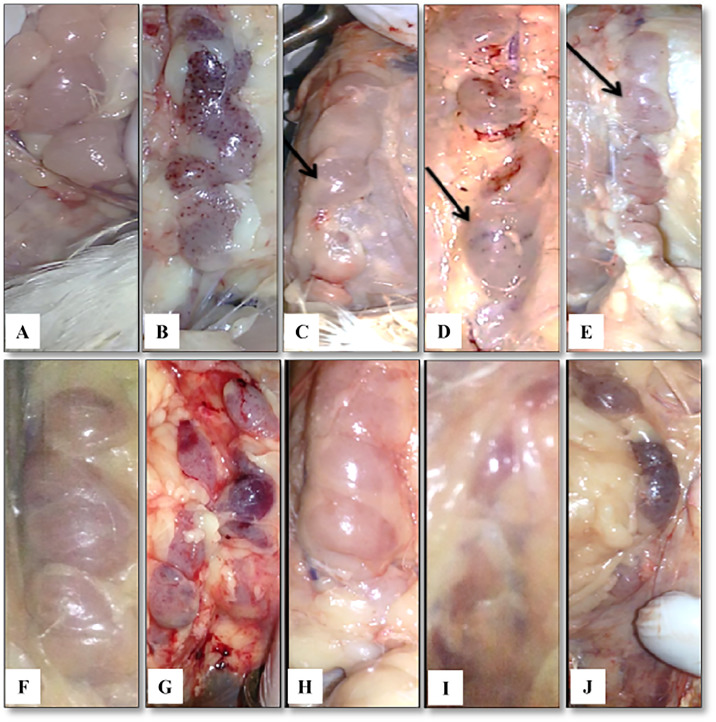
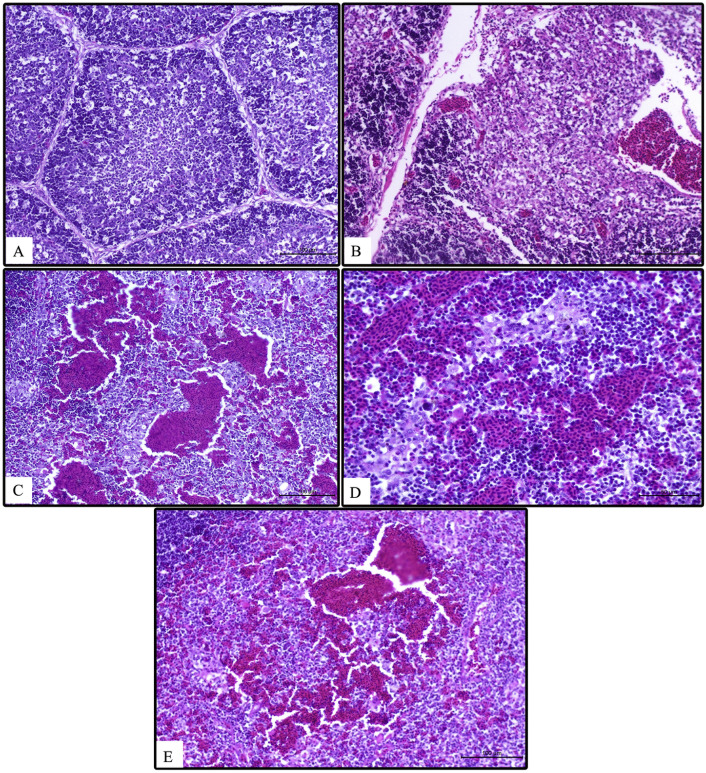
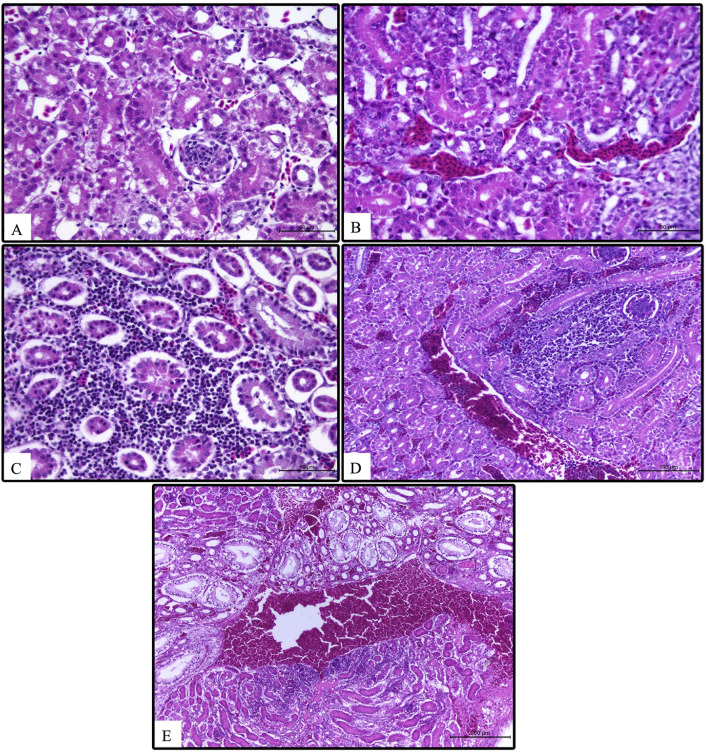
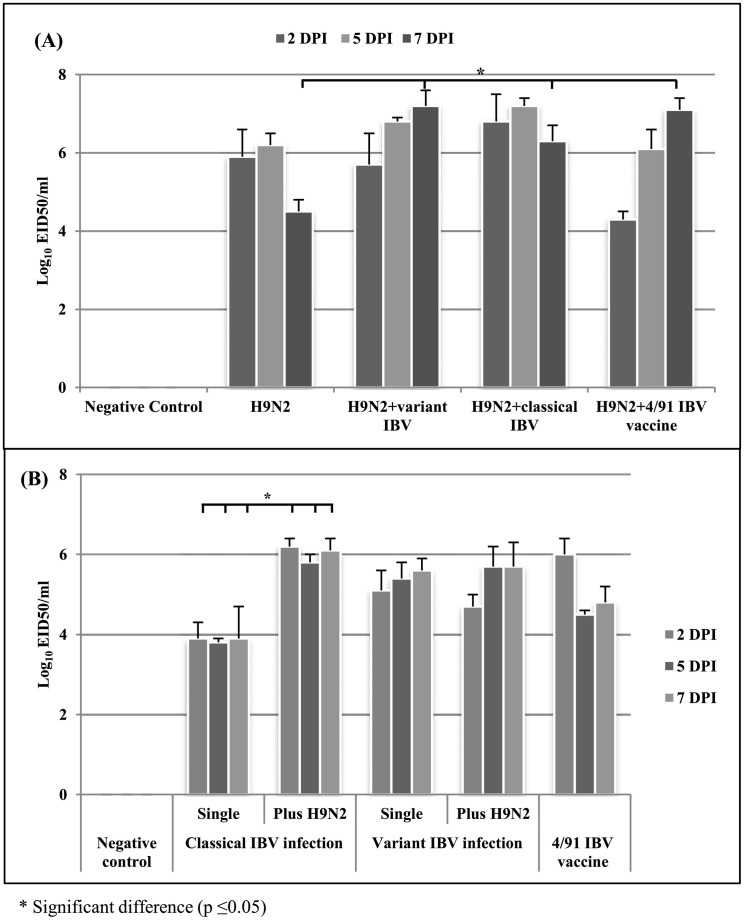
In this study, commercial broilers were experimentally infected with single (classical IBV, variant IBV or AIV-H9N2) or mixed AIV-H9N2 with classical, variant or vaccine strains of IBV. Birds were monitored for clinical and pathological outcomes and virus shedding for 10days post infection (DPI). Clinical signs were limited to the respiratory tract in all challenged groups and varied from mild to moderate mouth breathing to severe respiratory signs with snorting sound and extended head. Mortalities were only recorded in mixed AIV-H9N2/variant IBV challenge group. AIV-H9N2 challenge caused tracheal petechial hemorrhage that progressed to tracheal congestion and caseation. In mixed AIV-H9N2/IBV vaccine challenge, severe tracheitis with bronchial cast formation was observed. In mixed AIV-H9N2/variant IBV challenge severe congestion of the tracheal mucosa and excessive exudates with a tendency to form tubular casts were observed. Kidney ureate deposition was only observed in variant IBV challenge group. Histopathologically, tracheal congestion, severe degeneration, and deciliation were noticed in all groups of mixed infection. Interestingly, hemorrhage and atrophy were observed in thymus gland of birds challenged with single AIV-H9N2 or mixed AIV-H9N2/IBV. There was no difference in the tracheal shedding level of variant IBV between single and mixed infected groups while classical IBV shedding increased in mixed infection group. Interestingly, the AIV-H9N2 showed constantly high shedding titers till 7DPI with variant or vaccine IBV co-infection. In conclusion, co-infection of IBV and AIV-H9N2 induced severe clinical outcome and high mortality. Also, IBV co-infection increased the shedding of AIV-H9N2 in experimentally infected birds.
Keywords: Avian influenza virus; Broiler chickens; Co-infection; H9N2; IBV.
Copyright © 2017 Elsevier Ltd. All rights reserved.
Figures
References
-
- Abdel-Moneim A.S., Afifi M.A., El-Kady M.F. Emergence of a novel genotype of avian infectious bronchitis virus in Egypt. Arch. Virol. 2012;157:2453–2457. - PubMed
-
- Bancroft J., Gamble M. 6th ed. Churchill Livingstone Elsevier; Philadelphia, PA: 2008. Theory and Practice of Histological Techniques.
-
- Bano S., Naeem K., Malik S.A. Evaluation of pathogenic potential of avian influenza virus serotype H9N2 in chickens. Avian Dis. 2003;47:817–822. - PubMed
-
- Ben Shabat M., Meir R., Haddas R., Lapin E., Shkoda I., Raibstein I., Perk S., Davidson I. Development of a real-time TaqMan RT-PCR assay for the detection of H9N2 avian influenza viruses. J. Virol. Methods. 2010;168:72–77. - PubMed
MeSH terms
LinkOut - more resources
Full Text Sources
Other Literature Sources
Medical
Miscellaneous
