


Google Trends can improve surveillance of Type 2 diabetes
- PMID: 28694479
- PMCID: PMC5504026
- DOI: 10.1038/s41598-017-05091-9
Google Trends can improve surveillance of Type 2 diabetes
Abstract
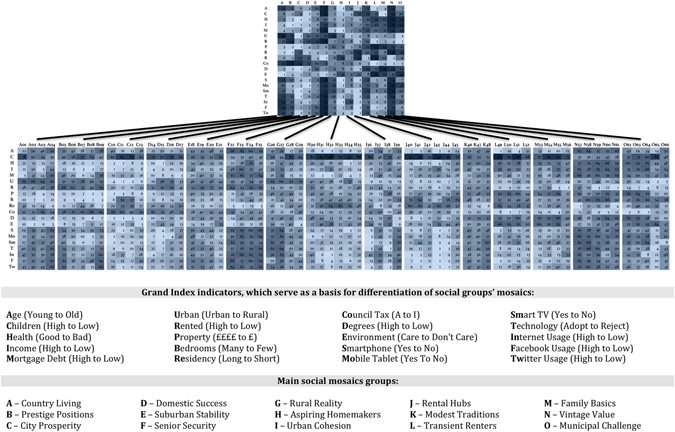
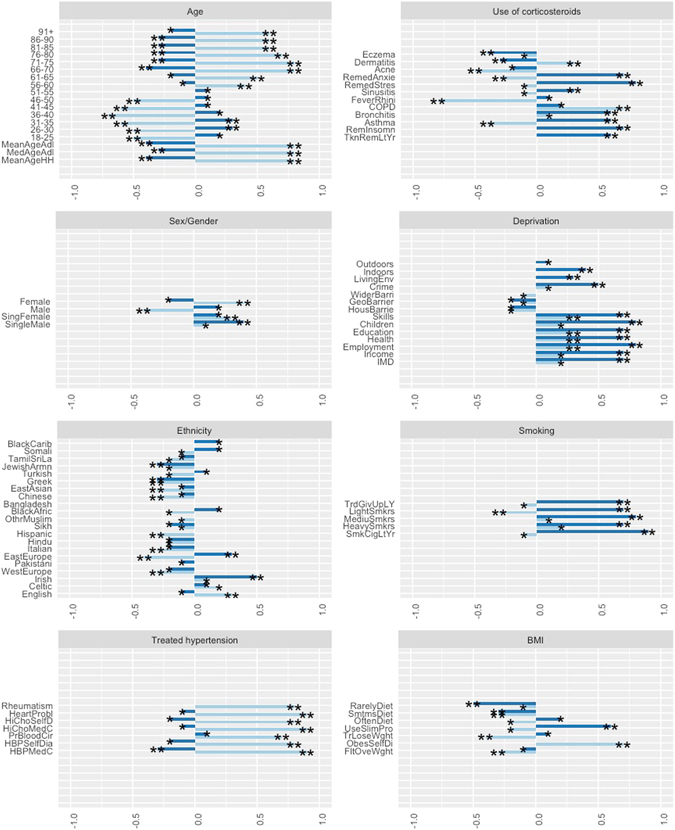
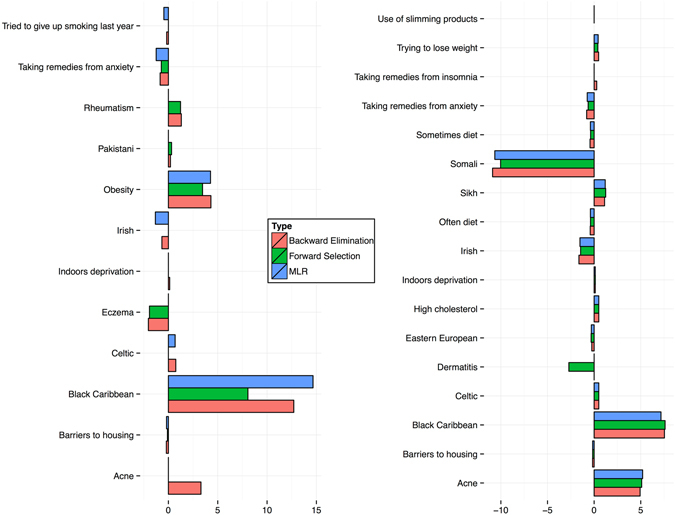
Recent studies demonstrate that people are increasingly looking online to assess their health, with reasons varying from personal preferences and beliefs to inability to book a timely appointment with their local medical practice. Records of these activities represent a new source of data about the health of populations, but which is currently unaccounted for by disease surveillance models. This could potentially be useful as evidence of individuals' perception of bodily changes and self-diagnosis of early symptoms of an emerging disease. We make use of the Experian geodemographic Mosaic dataset in order to extract Type 2 diabetes candidate risk variables and compare their temporal relationships with the search keywords, used to describe early symptoms of the disease on Google. Our results demonstrate that Google Trends can detect early signs of diabetes by monitoring combinations of keywords, associated with searches for hypertension treatment and poor living conditions; Combined search semantics, related to obesity, how to quit smoking and improve living conditions (deprivation) can be also employed, however, may lead to less accurate results.
Conflict of interest statement
The authors declare that they have no competing interests.
Figures
References
-
- Kirk, A. One in four self-diagnose on the Internet instead of visiting the doctor. http://www.telegraph.co.uk/news/health/news/11760658/One-in-four-self-di... [The Telegraph: posted 24-July-2015].
-
- Donnelly, L. One in four patients cannot get through to GP surgery. http://www.telegraph.co.uk/news/nhs/12019423/One-in-four-patients-cannot... [The Telegraph: posted 27-November-2015].
-
- PushDoctor. One in four people in the UK admit to self-diagnosis of an illnesses rather than making time for a doctor’s appointment. http://www.pushdoctor.co.uk/digital-health-report.
-
- Roberts, D. Online self-diagnosis can cause surfers to fear the worst. http://www.telegraph.co.uk/news/health/4986309/Online-self-diagnosis-lea... [The Telegraph: posted 15-March-2009].
-
- BMA. Self care: question and answer. https://www.bma.org.uk/.
Publication types
MeSH terms
LinkOut - more resources
Full Text Sources
Other Literature Sources
Medical
