


A clinical perspective on a pain neuroscience education approach to manual therapy
- PMID: 28694679
- PMCID: PMC5498797
- DOI: 10.1080/10669817.2017.1323699
A clinical perspective on a pain neuroscience education approach to manual therapy
Abstract
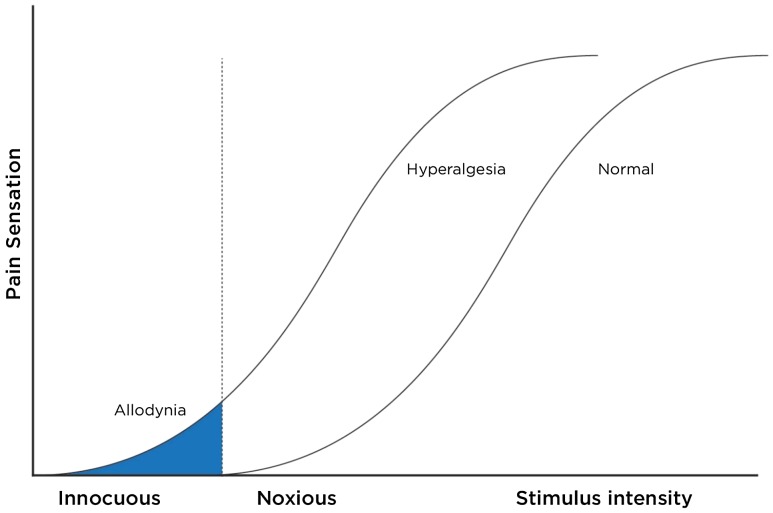
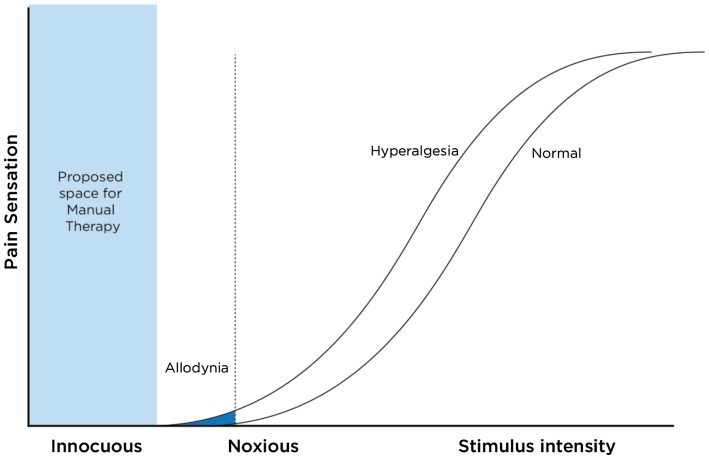
In recent years, there has been an increased interest in pain neuroscience education (PNE) in physical therapy. There is growing evidence for the efficacy of PNE to decrease pain, disability, fear-avoidance, pain catastrophization, limited movement, and health care utilization in people struggling with pain. PNE teaches people in pain more about the biology and physiology of their pain experience including processes such as central sensitization, peripheral sensitization, allodynia, inhibition, facilitation, neuroplasticity and more. PNE's neurobiological model often finds itself at odds with traditional biomedical models used in physical therapy. Traditional biomedical models, focusing on anatomy, pathoanatomy, and biomechanics have been shown to have limited efficacy in helping people understand their pain, especially chronic pain, and may in fact even increase a person's pain experience by increasing fear-avoidance and pain catastrophization. An area of physical therapy where the biomedical model is used a lot is manual therapy. This contrast between PNE and manual therapy has seemingly polarized followers from each approach to see PNE as a 'hands-off' approach even having clinicians categorize patients as either in need of receiving PNE (with no hands-on), or hands-on with no PNE. In this paper, we explore the notion of PNE and manual therapy co-existing. PNE research has shown to have immediate effects of various clinical signs and symptoms associated with central sensitization. Using a model of sensitization (innocuous, noxious, and allodynia), we argue that PNE can be used in a manual therapy model, especially treating someone where the nervous system has become increasingly hypervigilant. Level of Evidence: VII.
Keywords: Pain; education; manual therapy; neuroscience.
Figures

References
-
- Institute of Medicine (IOM) Relieving pain in America: a blueprint for transforming prevention, care, education and research. Washington (DC): The National Academies Press; 2011. - PubMed
-
- Bekkering GE, Bala MM, Reid K, et al. . Epidemiology of chronic pain and its treatment in The Netherlands. Netherlands J Med. 2011;69(3):141–153. - PubMed
-
- Moseley GL, Butler DS. Fifteen years of explaining pain: the past, present, and future . J Pain, 2015;16:807–813. - PubMed
LinkOut - more resources
Full Text Sources
Other Literature Sources
