


Application of the SYNTAX score in interventional cardiology: A systematic review and meta-analysis
- PMID: 28700477
- PMCID: PMC5515749
- DOI: 10.1097/MD.0000000000007410
Application of the SYNTAX score in interventional cardiology: A systematic review and meta-analysis
Abstract
Background: Should the SYNTAX score be integrated in Interventional Cardiology? Should it really be considered as a vital decision-making tool in percutaneous coronary intervention (PCI)? To confirm the importance of this score, we aimed to systematically compare the postinterventional adverse cardiovascular outcomes which were observed in patients who were allotted a low versus a high SYNTAX score.
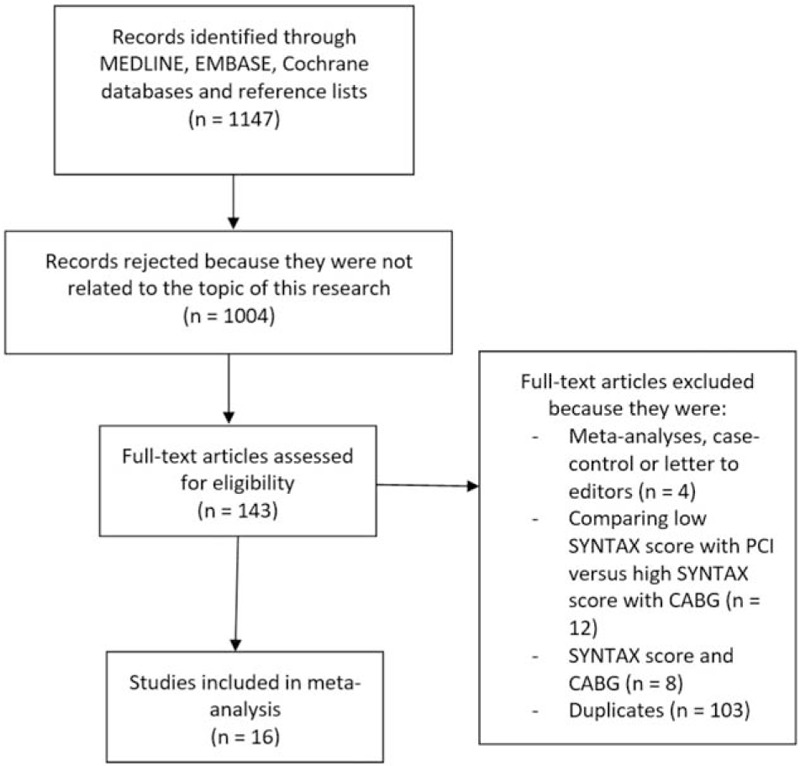
Methods: Randomized controlled trials and observational studies which were published from January 2007 to January 2017 were identified from MEDLINE, EMBASE, and the Cochrane databases using the searched terms 'SYNTAX score and percutaneous coronary intervention.' Adverse cardiovascular outcomes were considered as the major endpoints. Risk ratios (RRs) with 95% confidence intervals (CIs) were used as the statistical parameters, and the main analysis was carried out by the RevMan 5.3 software.
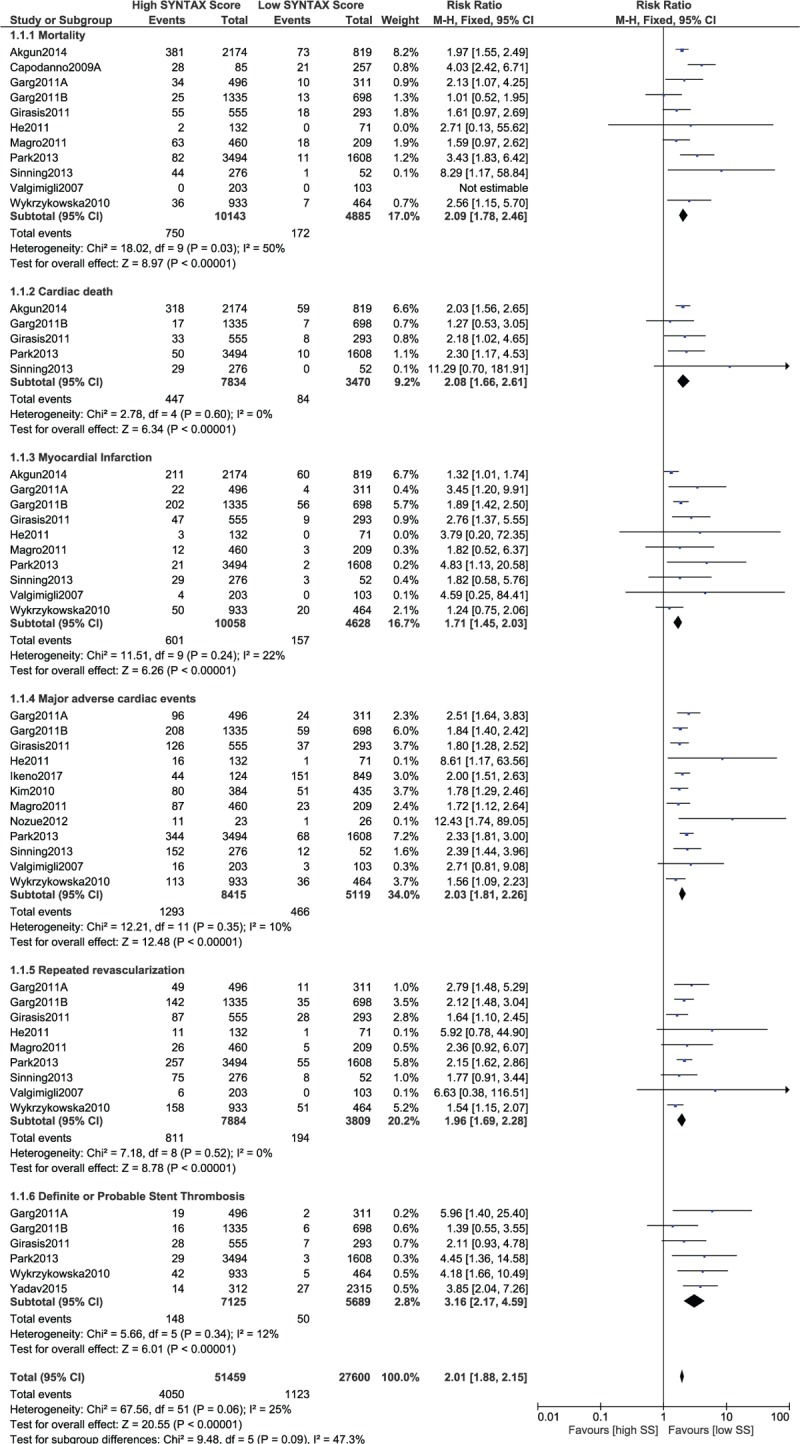
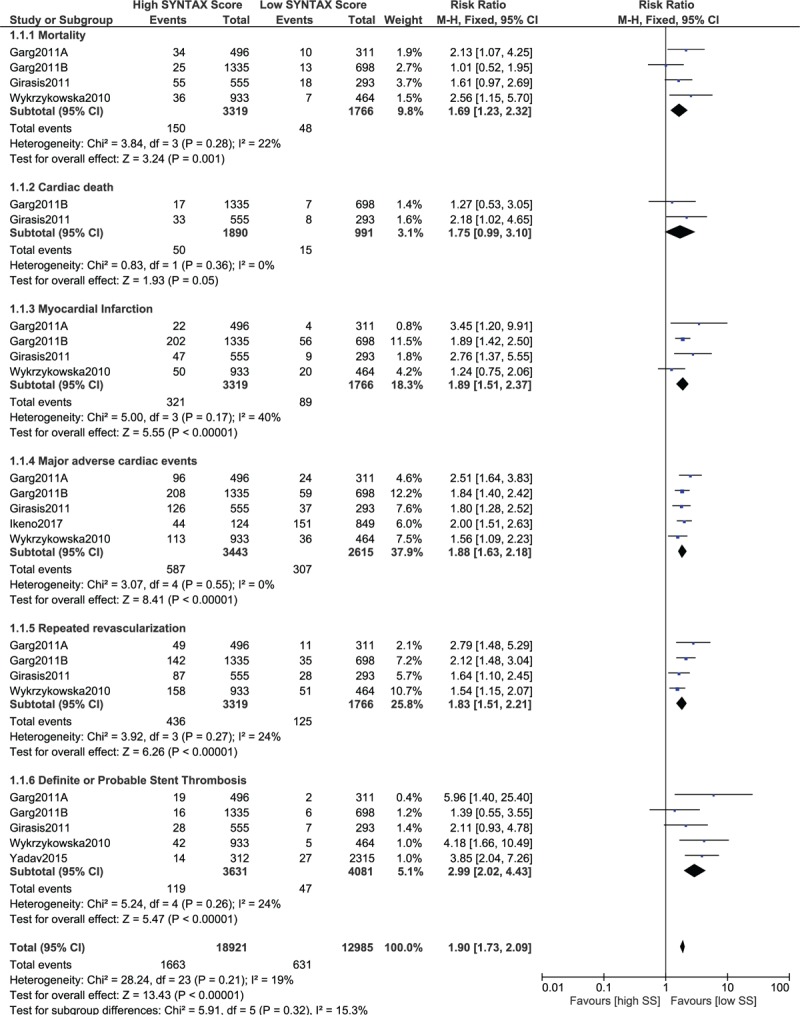
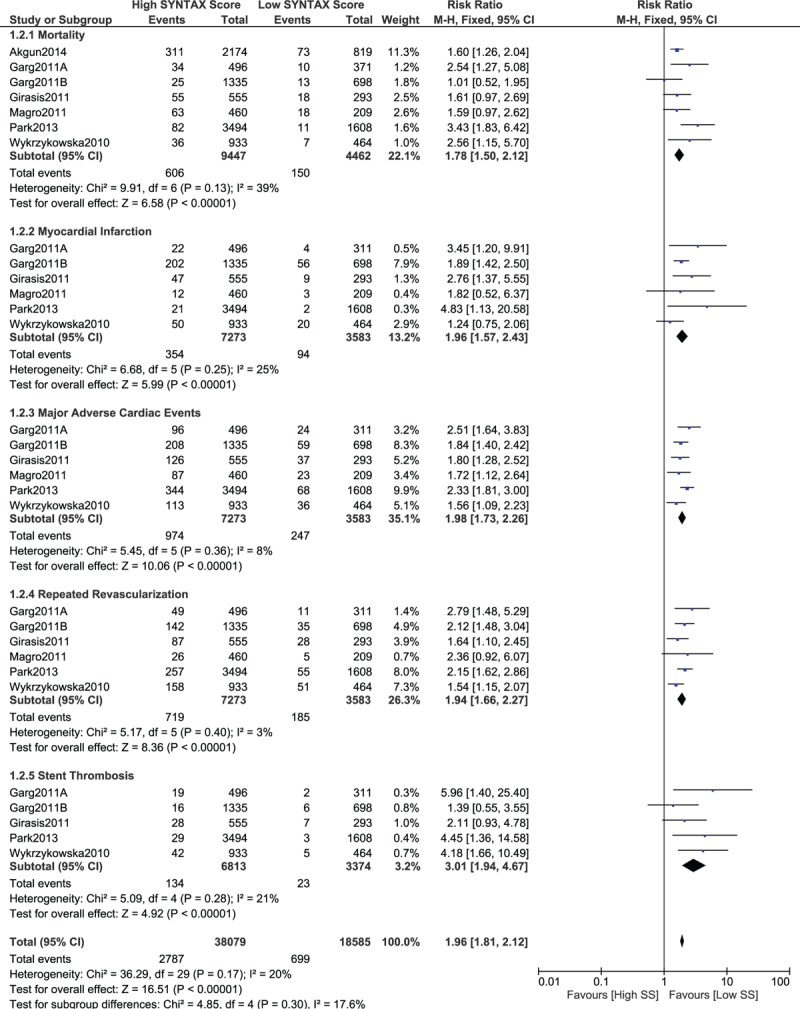
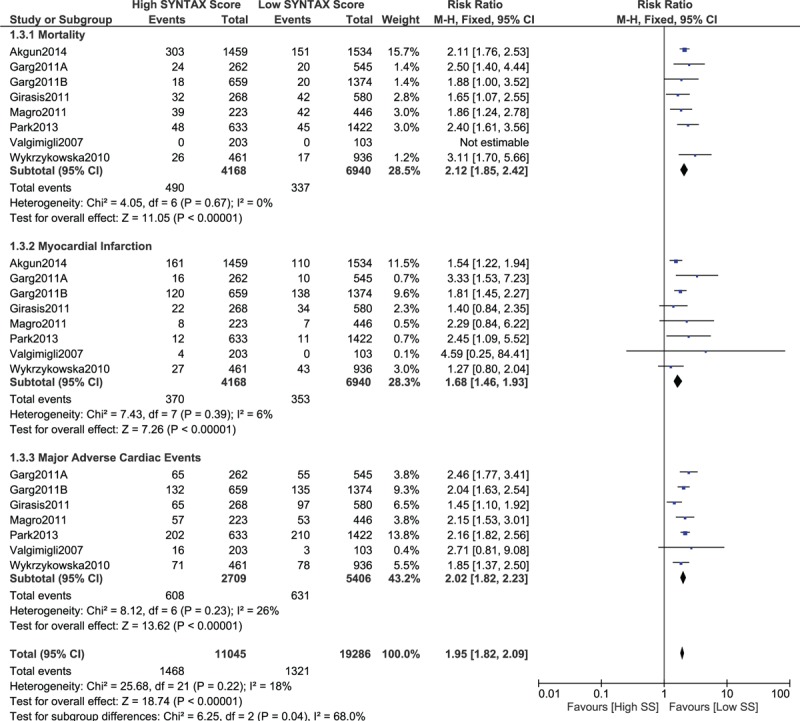
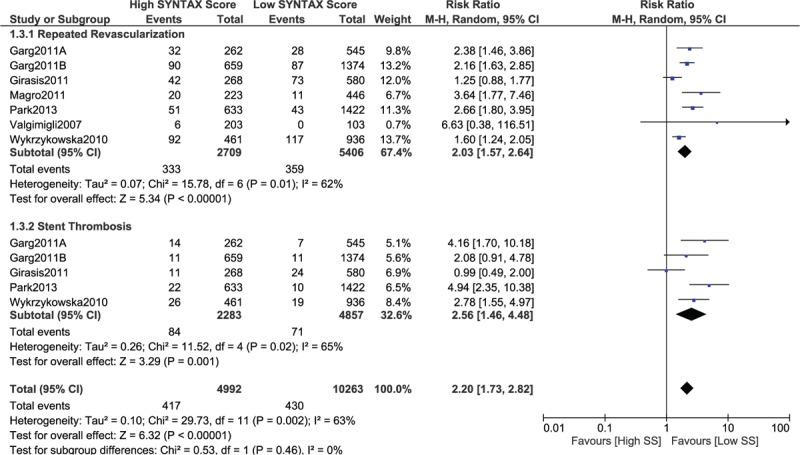
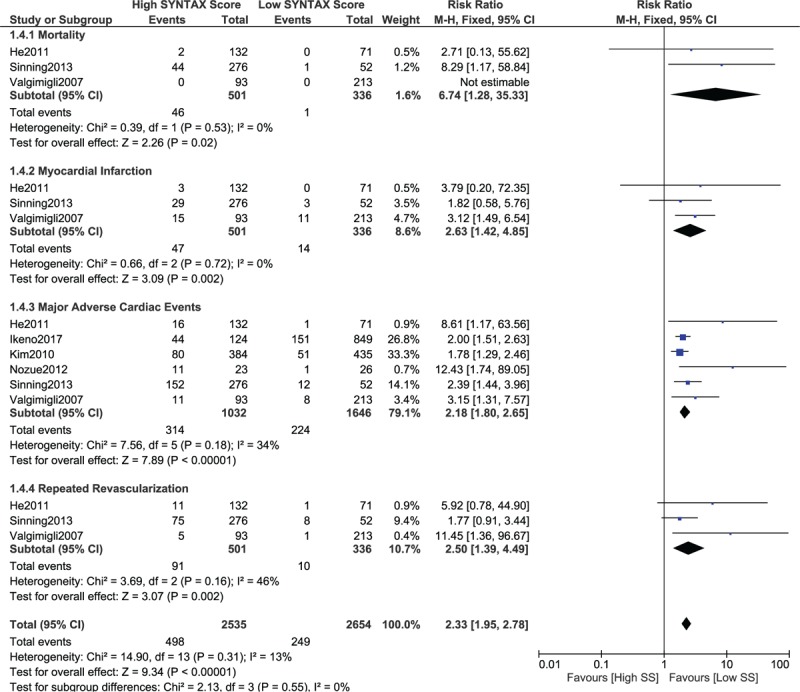
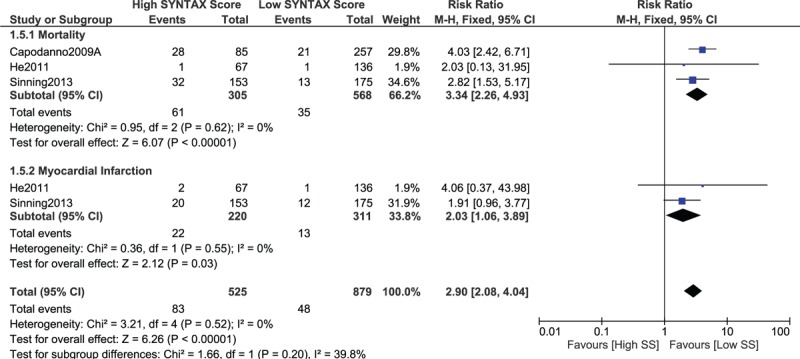
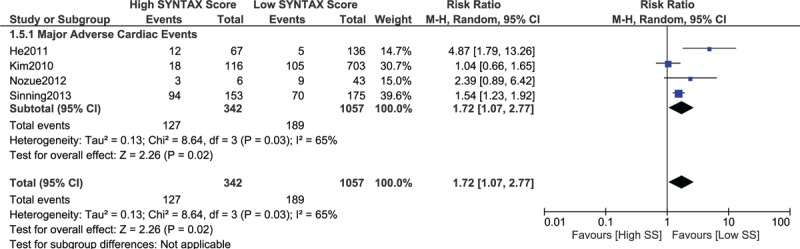
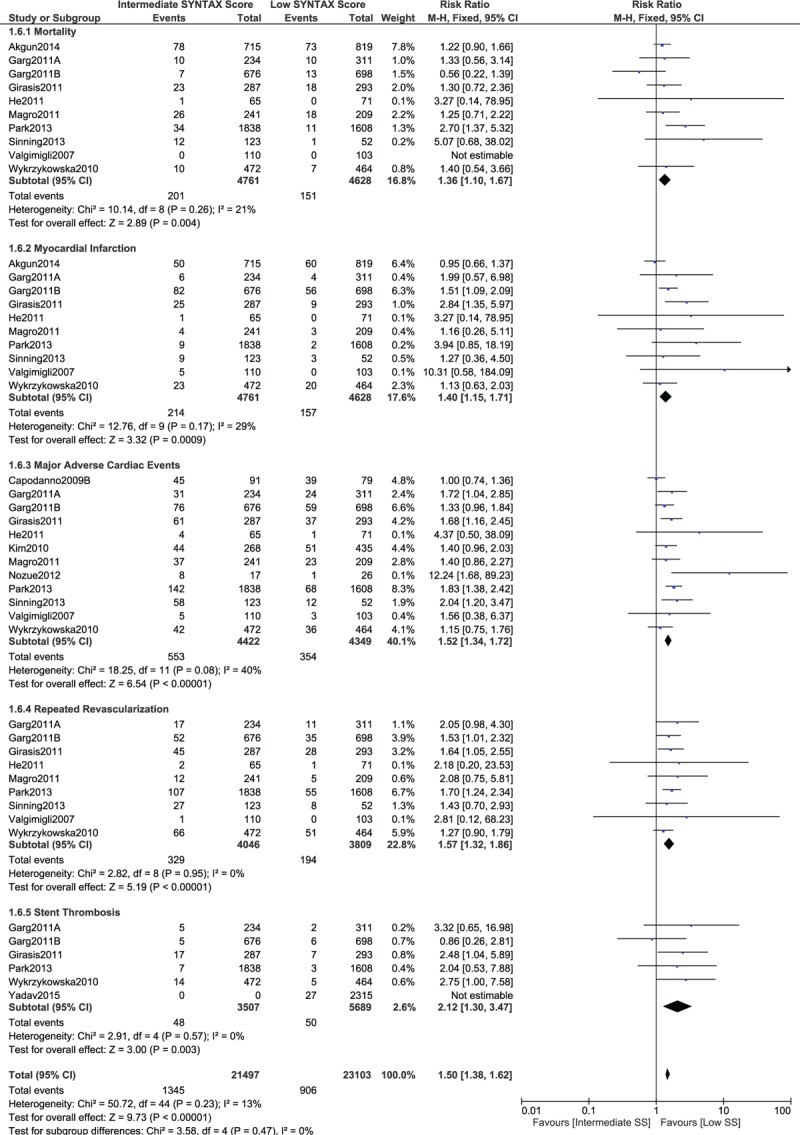
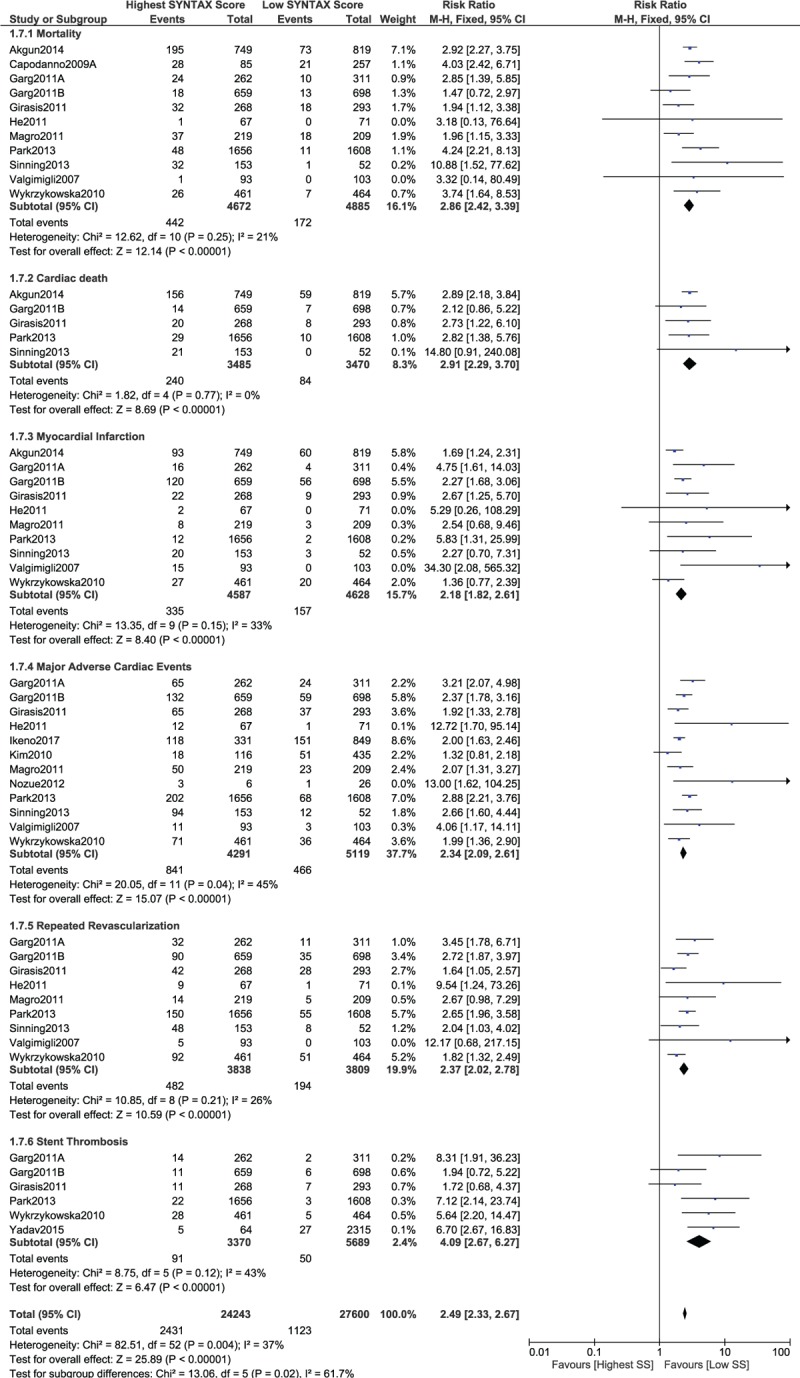
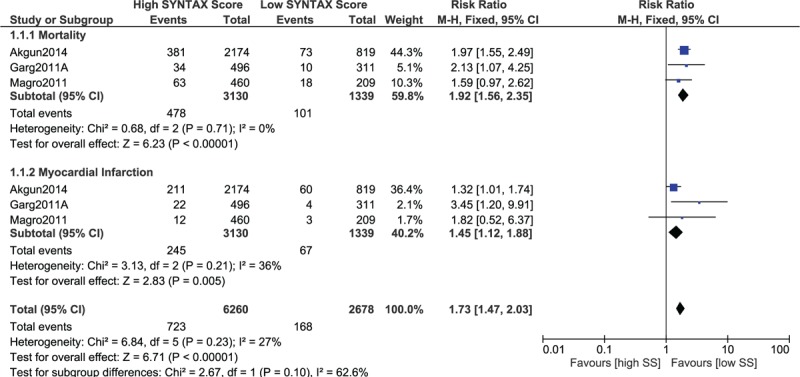
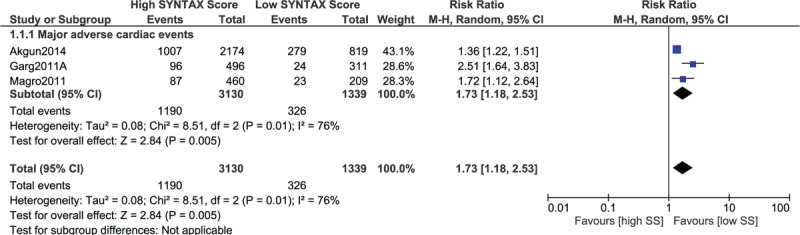
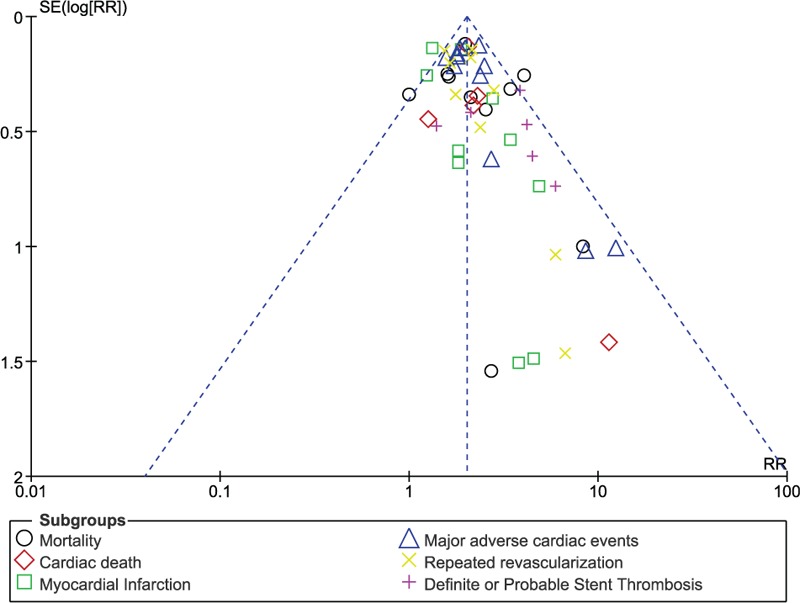
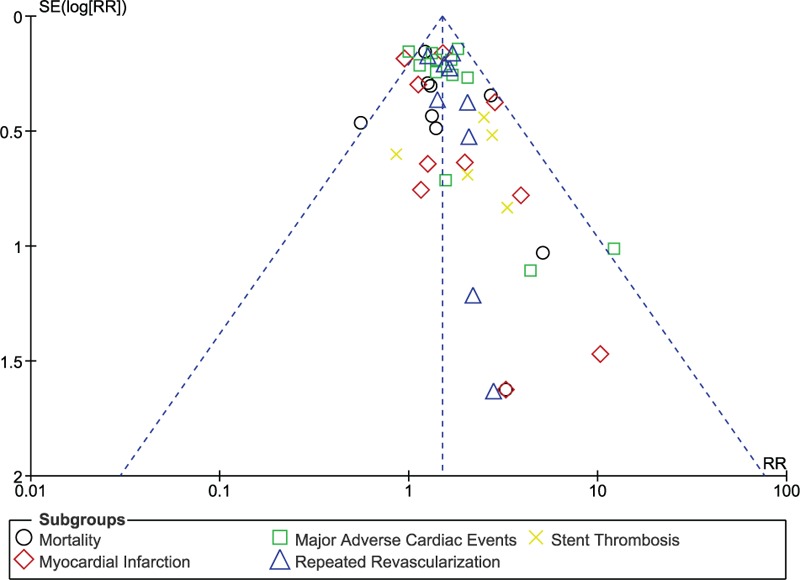
Results: Sixteen studies with a total number of 19,751 participants (8589 participants with a low versus 11,162 participants with a high SYNTAX score) were included. Current results showed mortality to be significantly higher with a higher SYNTAX score (RR 2.09, 95% CI 1.78-2.46, P = .00001). Cardiac death also significantly favored a low SYNTAX score (RR 2.08, 95% CI 1.66-2.61, P = .00001. Similarly, myocardial infarction, major adverse cardiac events, repeated revascularization, and stent thrombosis were significantly higher following a high SYNTAX score (RR 1.71, 95% CI 1.45-2.03, P = .00001; RR 2.03, 95% CI 1.81-2.26, P = .00001; RR 1.96, 95% CI 1.69-2.28, P = .00001; and RR 3.16, 95% CI 2.17-4.59, P = .00001, respectively). Even when patients with ST-segment elevation myocardial infarction were separately analyzed, a low SYNTAX score was still significantly associated with lower adverse outcomes.
Conclusions: This analysis is a confirmatory piece of evidence to show that the application of the SYNTAX score in Interventional Cardiology is apparently relevant. The use of this scoring system to grade patients with coronary artery disease and to further guide for revascularization should be encouraged.
Figures
References
-
- Lüscher TF. Update on interventional cardiology: outcome according to stent type and implantation technique. Eur Heart J 2016;37:3359–61. - PubMed
-
- Jiménez-Quevedo P, Serrador A, Pérez de Prado A, et al. Spanish Cardiac Catheterization and Coronary Intervention Registry. 25th Official Report of the Spanish Society of Cardiology Working Group on Cardiac Catheterization and Interventional Cardiology (1990-2015). Rev Esp Cardiol (Engl Ed) 2016;69:1180–9. - PubMed
-
- Mehta RM, Agarwal M, Ifedili I, et al. Procedural variations in performing primary percutaneous coronary intervention in patients with ST-elevation myocardial infarction. Curr Probl Cardiol 2017;42:46–60. - PubMed
-
- Faxon DP, Williams DO. Interventional cardiology: current status and future directions in coronary disease and valvular heart disease. Circulation 2016;133:2697–711. - PubMed
Publication types
MeSH terms
LinkOut - more resources
Full Text Sources
Other Literature Sources
Medical
Miscellaneous
