


Cumulative effects of prenatal-exposure to exogenous chemicals and psychosocial stress on fetal growth: Systematic-review of the human and animal evidence
- PMID: 28700705
- PMCID: PMC5507491
- DOI: 10.1371/journal.pone.0176331
Cumulative effects of prenatal-exposure to exogenous chemicals and psychosocial stress on fetal growth: Systematic-review of the human and animal evidence
Abstract
Background: Adverse effects of prenatal stress or environmental chemical exposures on fetal growth are well described, yet their combined effect remains unclear.
Objectives: To conduct a systematic review on the combined impact and interaction of prenatal exposure to stress and chemicals on developmental outcomes.
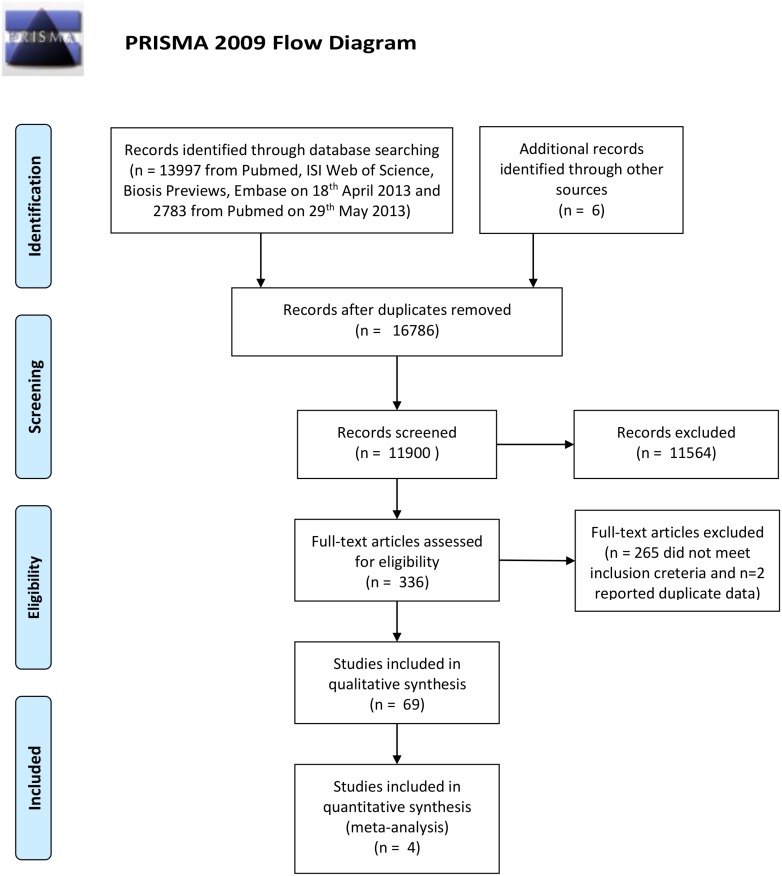
Methods: We used the first three steps of the Navigation Guide systematic review. We wrote a protocol, performed a robust literature search to identify relevant animal and human studies and extracted data on developmental outcomes. For the most common outcome (fetal growth), we evaluated risk of bias, calculated effect sizes for main effects of individual and combined exposures, and performed a random effects meta-analysis of those studies reporting on odds of low birthweight (LBW) by smoking and socioeconomic status (SES).
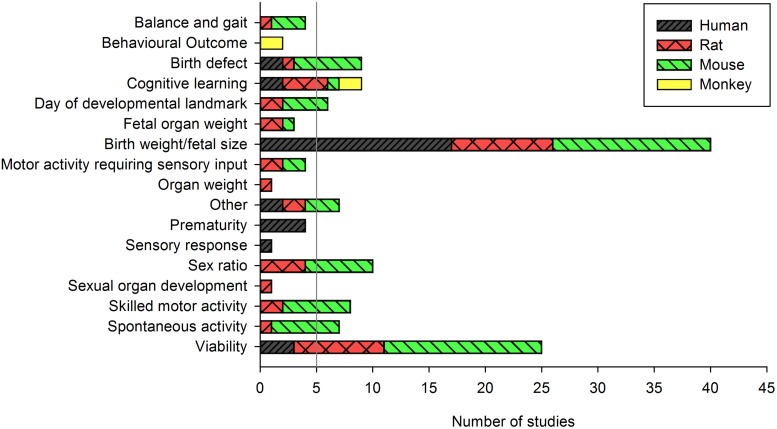
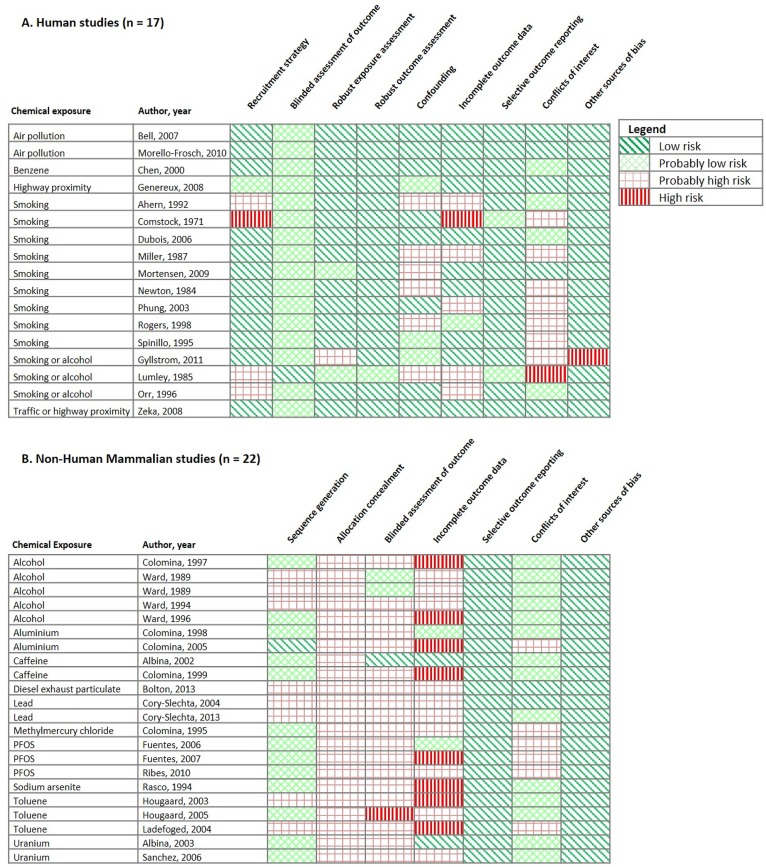
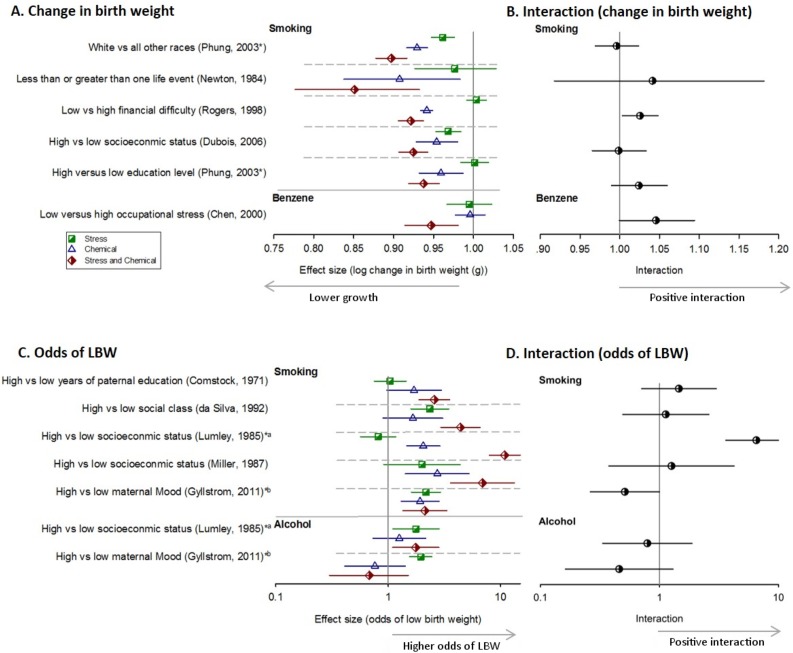
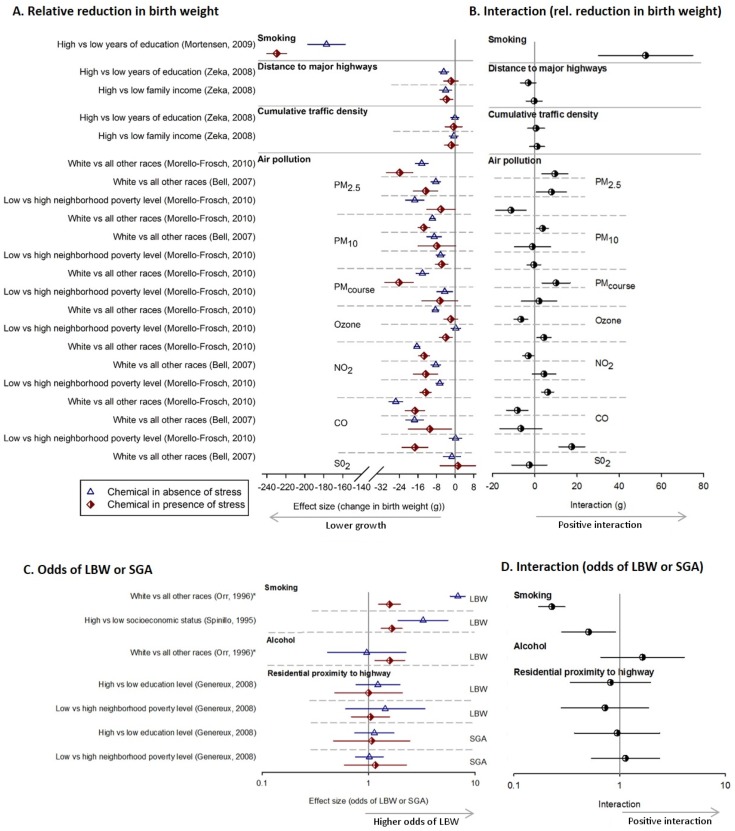
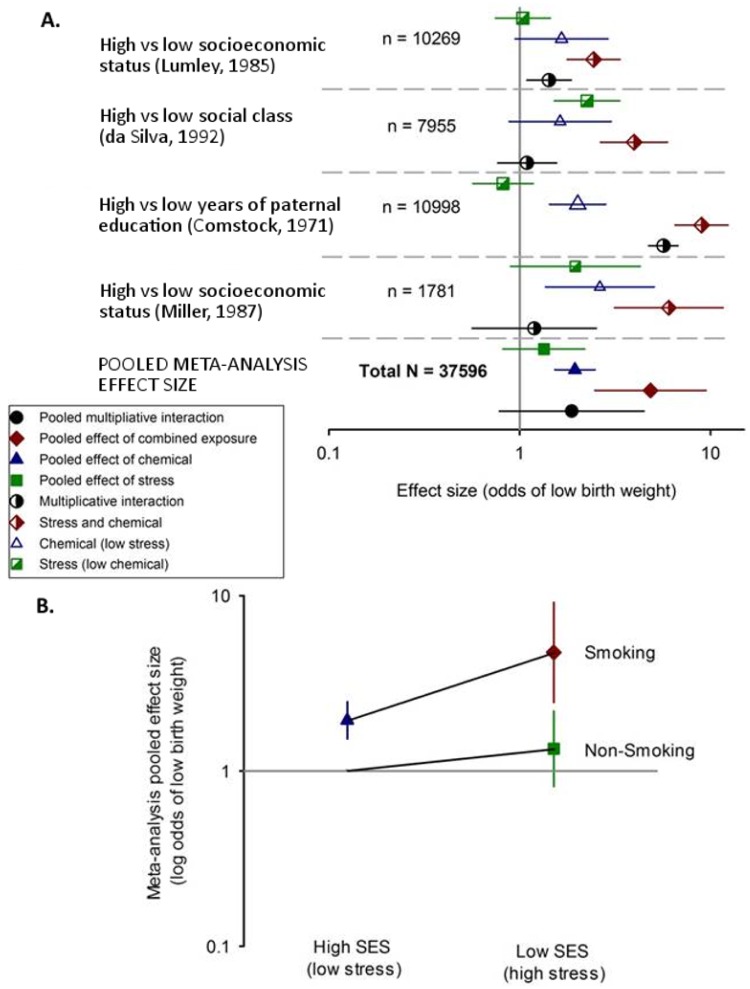
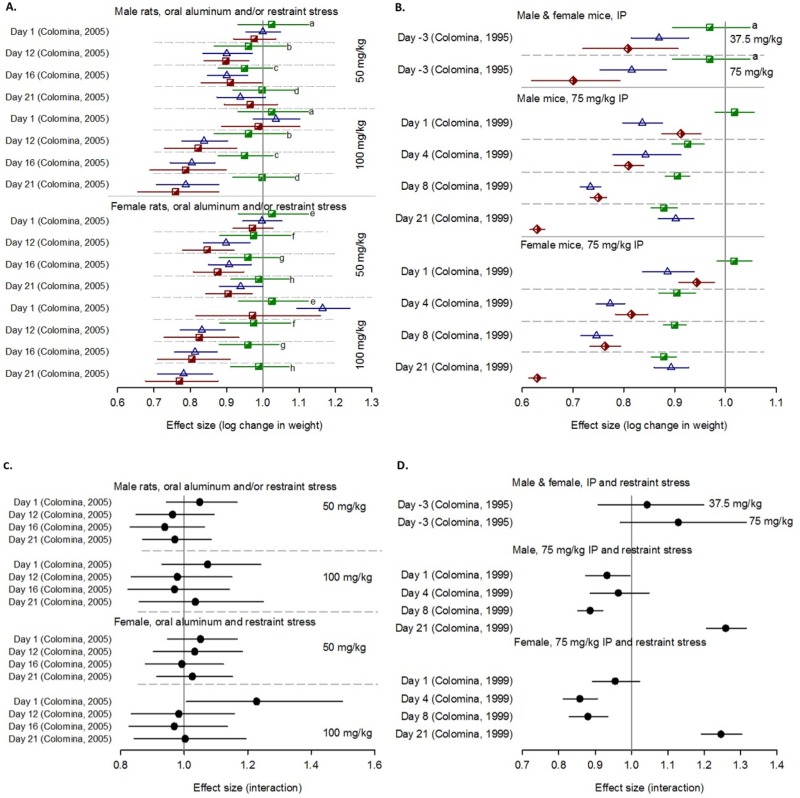
Results: We identified 17 human- and 22 animal-studies of combined chemical and stress exposures and fetal growth. Human studies tended to have a lower risk of bias across nine domains. Generally, we found stronger effects for chemicals than stress, and these exposures were associated with reduced fetal growth in the low-stress group and the association was often greater in high stress groups, with limited evidence of effect modification. We found smoking associated with significantly increased odds of LBW, with a greater effect for high stress (low SES; OR 4.75 (2.46-9.16)) compared to low stress (high SES; OR 1.95 (95% CI 1.53-2.48)). Animal studies generally had a high risk of bias with no significant combined effect or effect modification.
Conclusions: We found that despite concern for the combined effects of environmental chemicals and stress, this is still an under-studied topic, though limited available human studies indicate chemical exposures exert stronger effects than stress, and this effect is generally larger in the presence of stress.
Conflict of interest statement
Figures
References
-
- Schaaf JM, Liem SMS, Mol BWJ, Abu-Hanna A, Ravelli ACJ. Ethnic and Racial Disparities in the Risk of Preterm Birth: A Systematic Review and Meta-Analysis. Am J Perinat. 2013;30(6):433–50. doi: 10.1055/s-0032-1326988 - DOI - PubMed
-
- Kramer MR, Hogue CR. What Causes Racial Disparities in Very Preterm Birth? A Biosocial Perspective. Epidemiol Rev. 2009;31(1):84–98. doi: 10.1093/ajerev/mxp003 - DOI - PMC - PubMed
-
- Shankardass K, O'Campo P, Dodds L, Fahey J, Joseph K, Morinis J, et al. Magnitude of income-related disparities in adverse perinatal outcomes. BMC pregnancy and childbirth. 2014;14:96 Epub 2014/03/05. doi: 10.1186/1471-2393-14-96 ; - DOI - PMC - PubMed
-
- Kingston D, Tough S, Whitfield H. Prenatal and Postpartum Maternal Psychological Distress and Infant Development: A Systematic Review. Child Psychiat Hum D. 2012;43(5):683–714. doi: 10.1007/s10578-012-0291-4 - DOI - PubMed
-
- Fink NS, Urech C, Cavelti M, Alder J. Relaxation During Pregnancy What Are the Benefits for Mother, Fetus, and the Newborn? A Systematic Review of the Literature. J Perinat Neonat Nur. 2012;26(4):296–306. doi: 10.1097/Jpn.0b013e31823f565b - DOI - PubMed
Publication types
MeSH terms
Substances
Grants and funding
LinkOut - more resources
Full Text Sources
Other Literature Sources
Medical
