


Review
doi: 10.1002/chem.201701581.
Epub 2017 Sep 1.
18 F-Labeling of Sensitive Biomolecules for Positron Emission Tomography
Affiliations
- PMID: 28704575
- PMCID: PMC5675832
- DOI: 10.1002/chem.201701581
Item in Clipboard
Review
18 F-Labeling of Sensitive Biomolecules for Positron Emission Tomography
Chemistry.
.
Abstract
Positron emission tomography (PET) imaging study of fluorine-18 labeled biomolecules is an emerging and rapidly growing area for preclinical and clinical research. The present review focuses on recent advances in radiochemical methods for incorporating fluorine-18 into biomolecules via "direct" or "indirect" bioconjugation. Recently developed prosthetic groups and pre-targeting strategies, as well as representative examples in 18 F-labeling of biomolecules in PET imaging research studies are highlighted.
Keywords: bioconjugation; biomolecules; click chemistry; fluorine-18; positron emission tomography.
© 2017 Wiley-VCH Verlag GmbH & Co. KGaA, Weinheim.
Figures

Direct18F-Labeling Through C–18F Bond Formation. Radiochemical conversion, RCC; radiochemical yield, RCY.
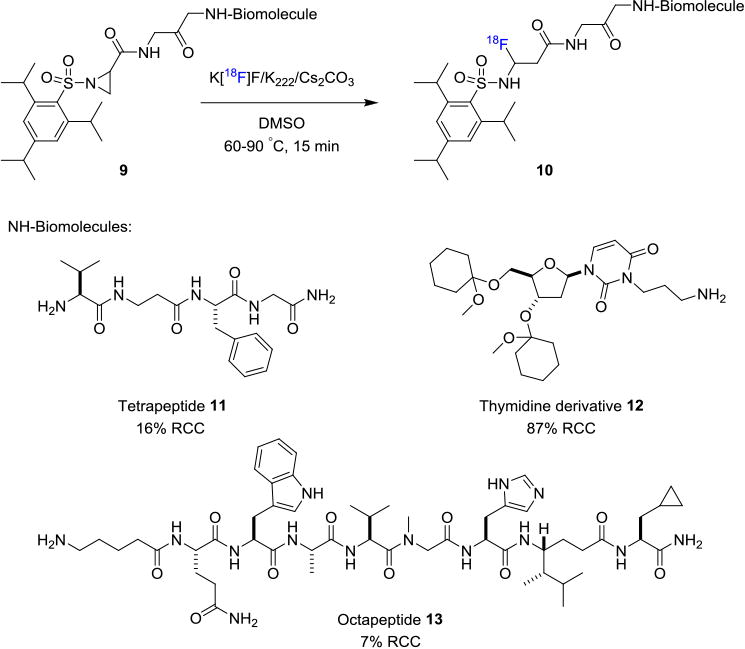
Direct18F-Labeling Through Aziridine Ring-Opening and C–18F Bond Formation.
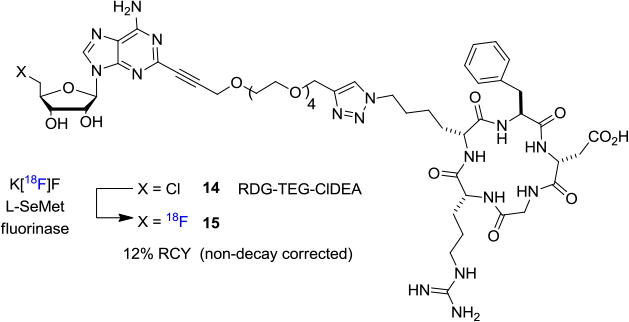
Biocatalytic [18F]Fluorination of Peptide Using Fluorinase.
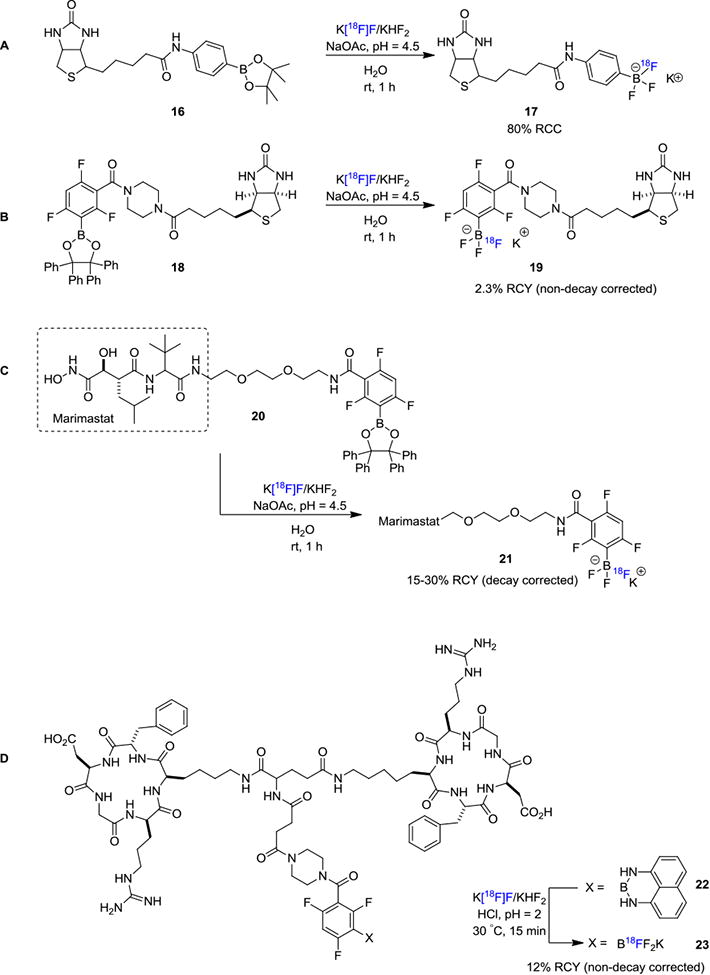
Direct 18F-Labeling Through B–18F Bond Formation.
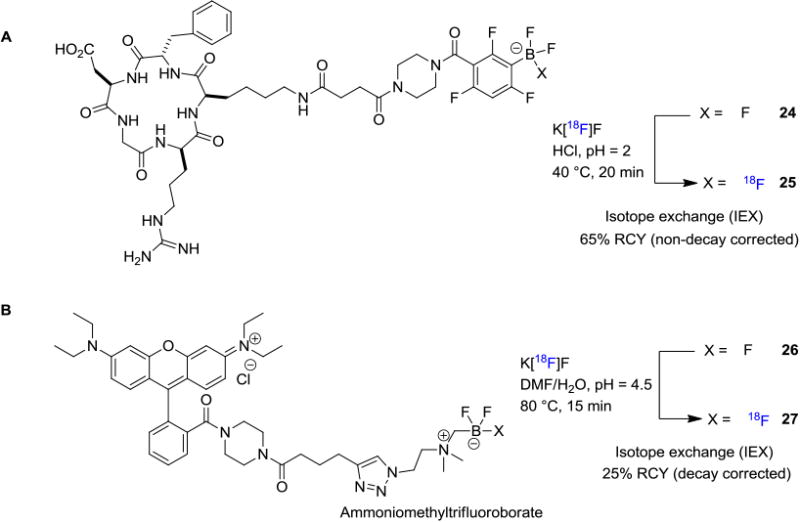
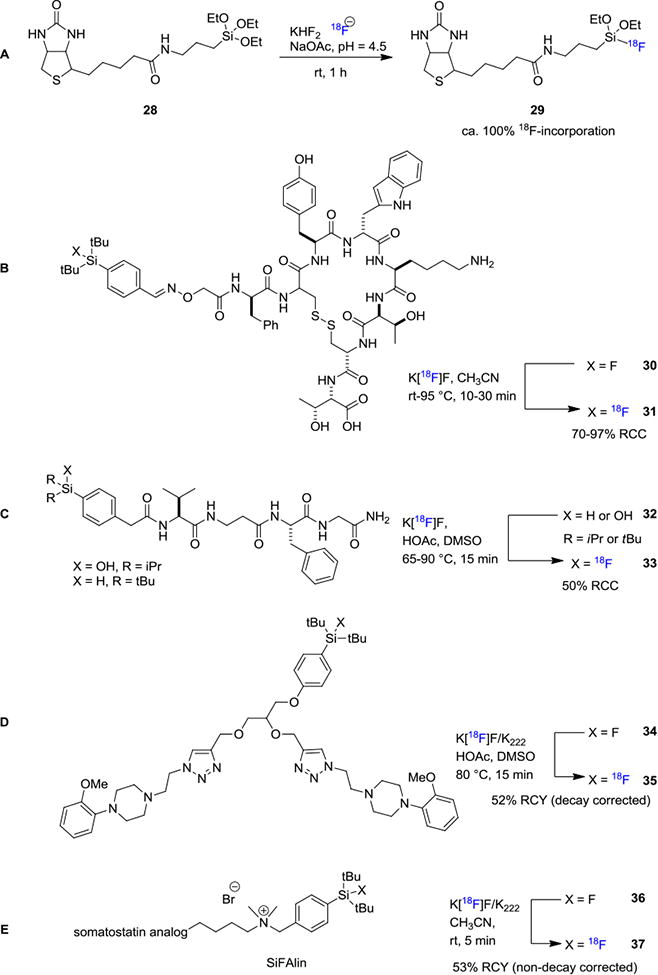
Direct 18F-Labeling Through Si–18F Bond Formation.
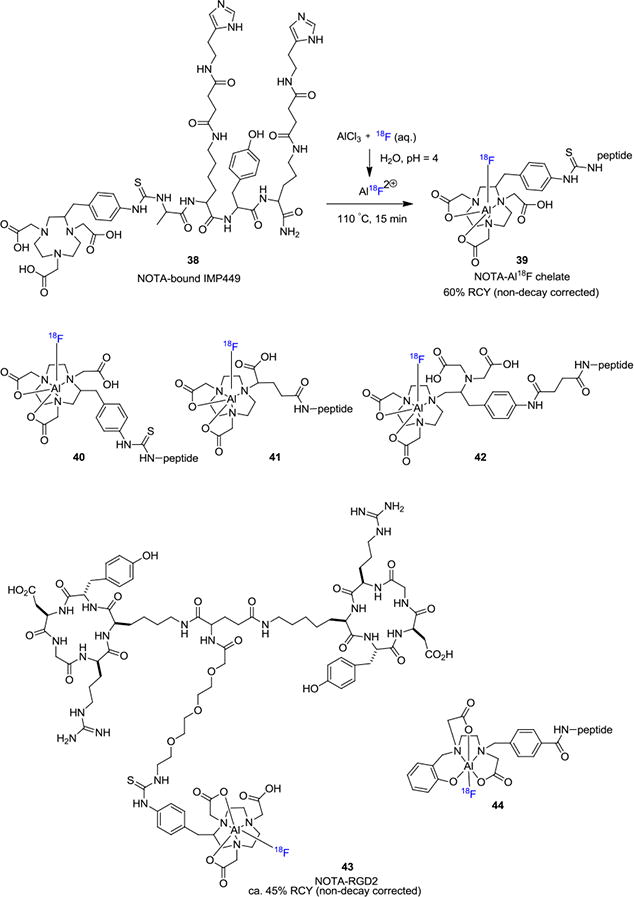
Direct 18F-Labeling Through Al–18F Chelation.
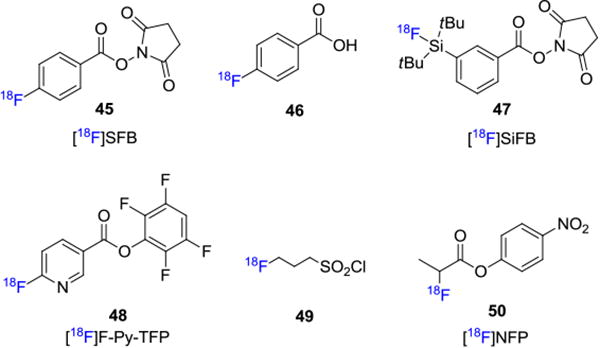
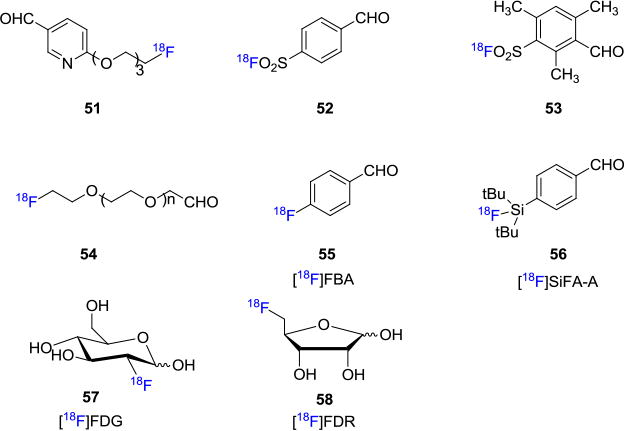
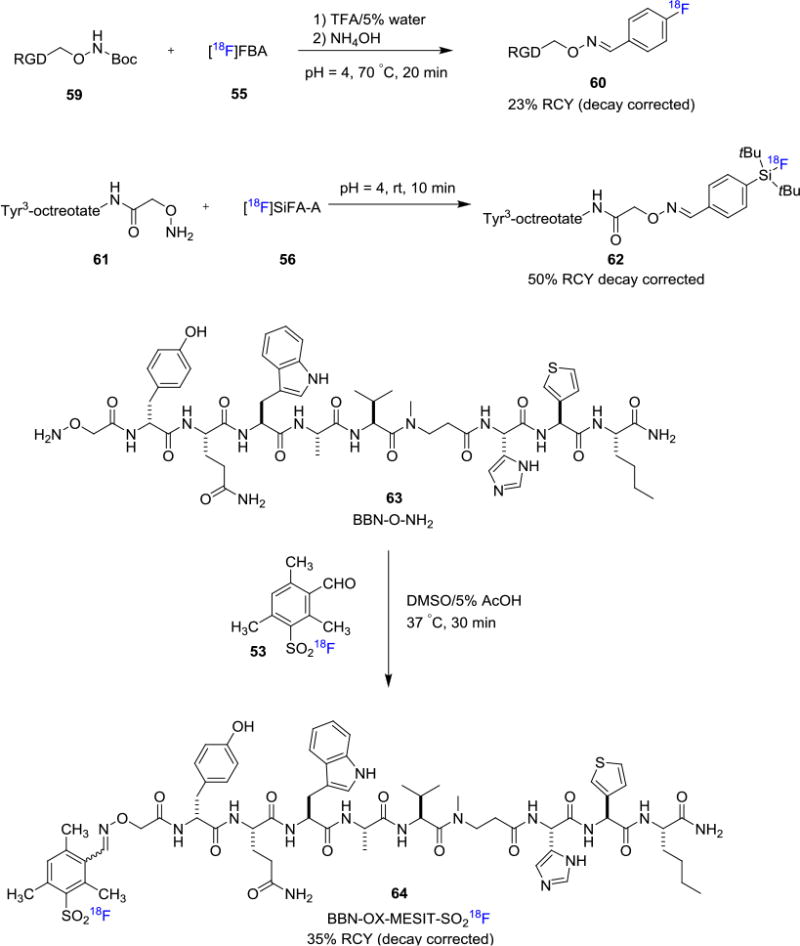
Fluorine-18 Containing Prosthetic Groups for Oxime Formation.
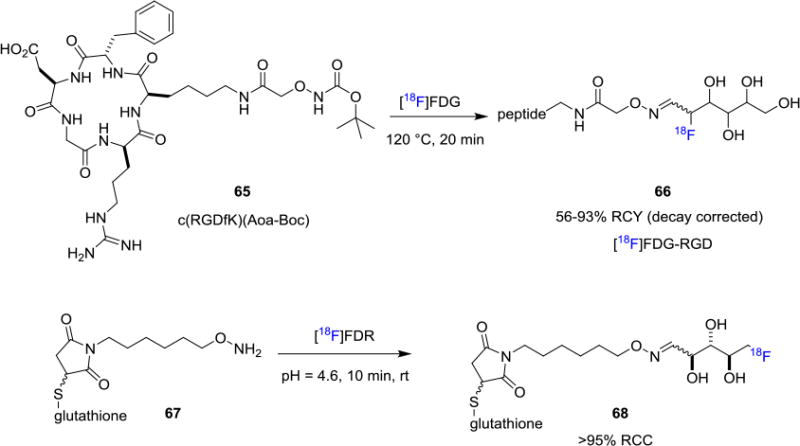
Fluorine-18 labeling of Biomolecules using [18F]Fluorosugars.
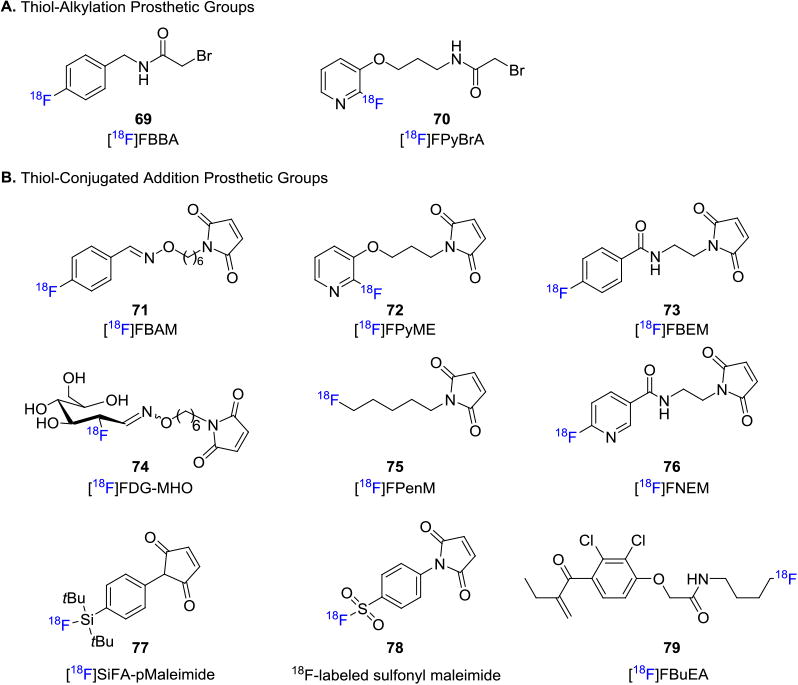
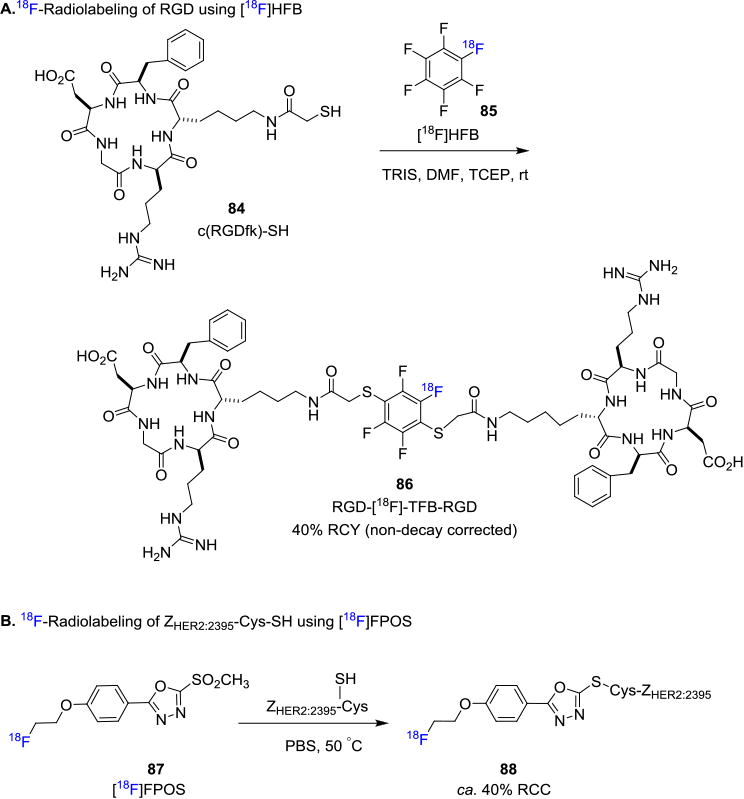
Thiol-selective Prosthetic Groups.

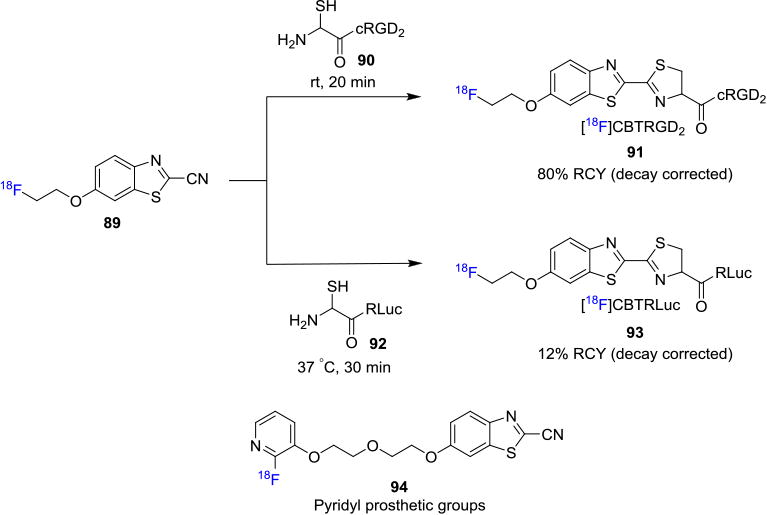
Cyanobenzothiazole Prosthetic Groups for Fluorine-18 labeling of Cysteine-containing Biomolecules.
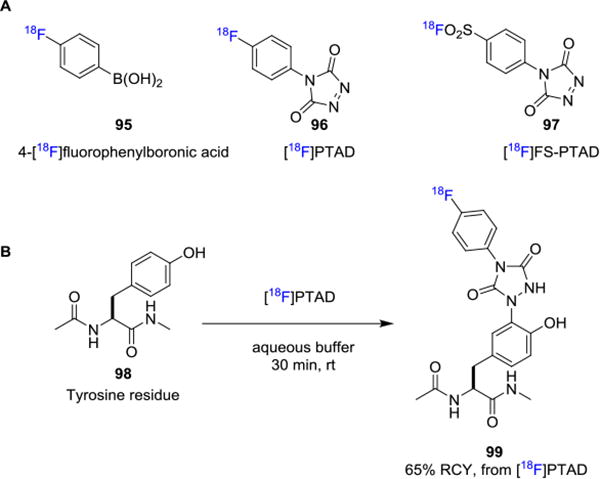
Fluorine-18 Labeling via X-Csp2Bond Formation with Prosthetic Groups.
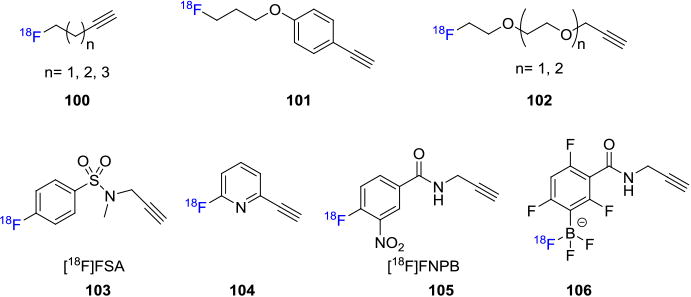
Fluorine-18 Labeled Alkyne Building Blocks.
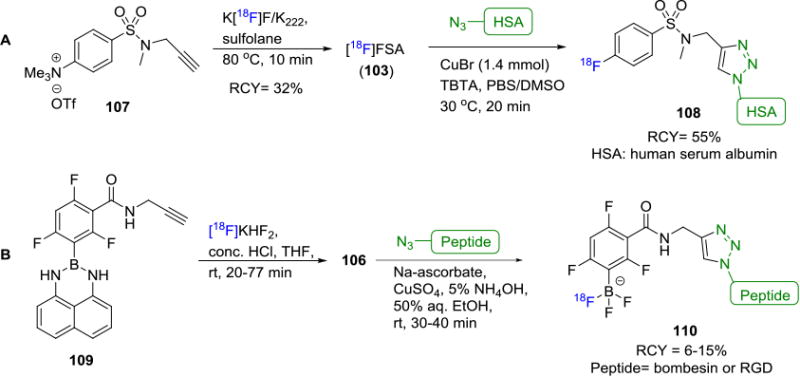
Fluorine-18 Labeling of Biomolecules via CuAAC Between Azide Containing Biomolecules and Labeled Alkynes.
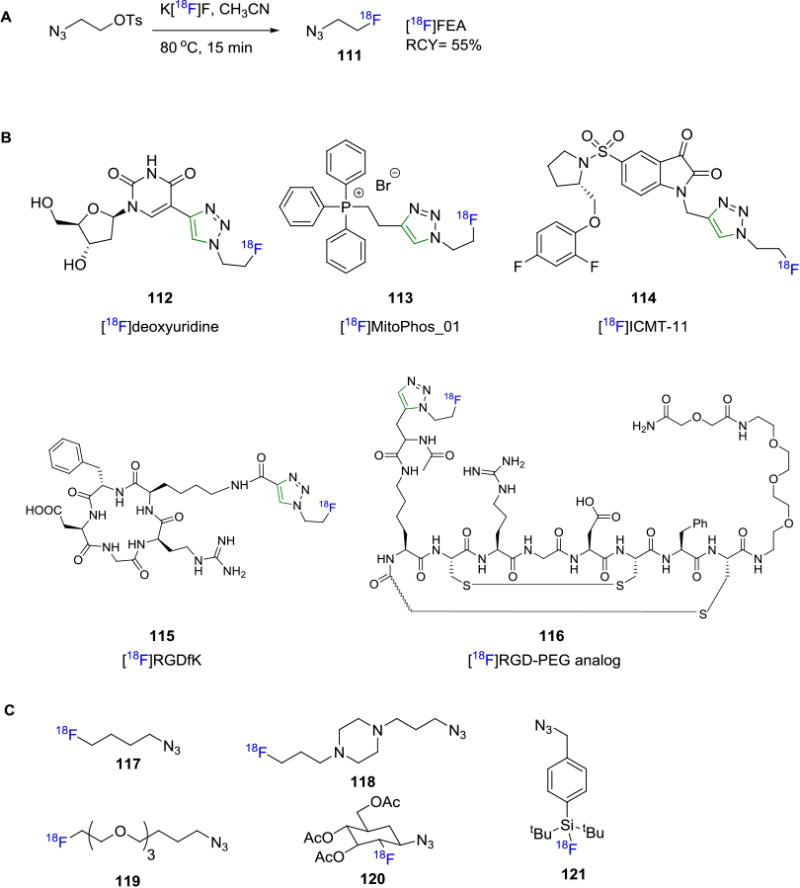
A) Synthesis of [18F]FEA;B) Examples of Radiotracers Synthesized with [18F]FEA Building Block; C) Some Representative Fluorine-18 labeled Azides in Click Chemistry.
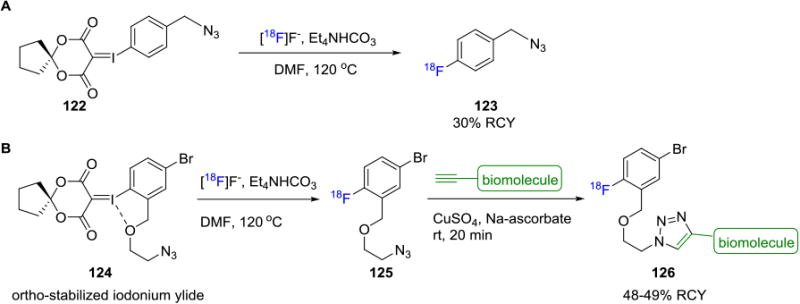
Fluorine-18 Radiolabeling of Biomolecules via Spirocyclic Iodonium Ylides.
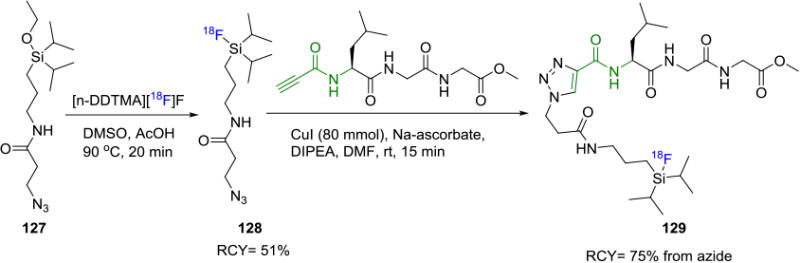
Silicon–18F Based Building Block for Biomolecule Labeling via CuAAC.
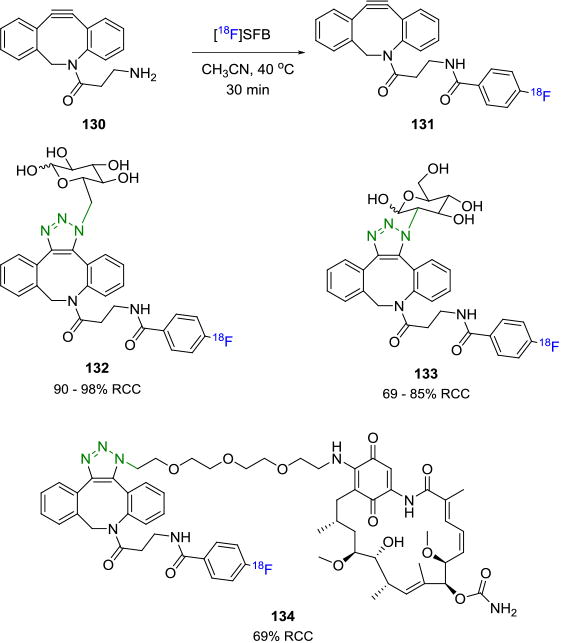
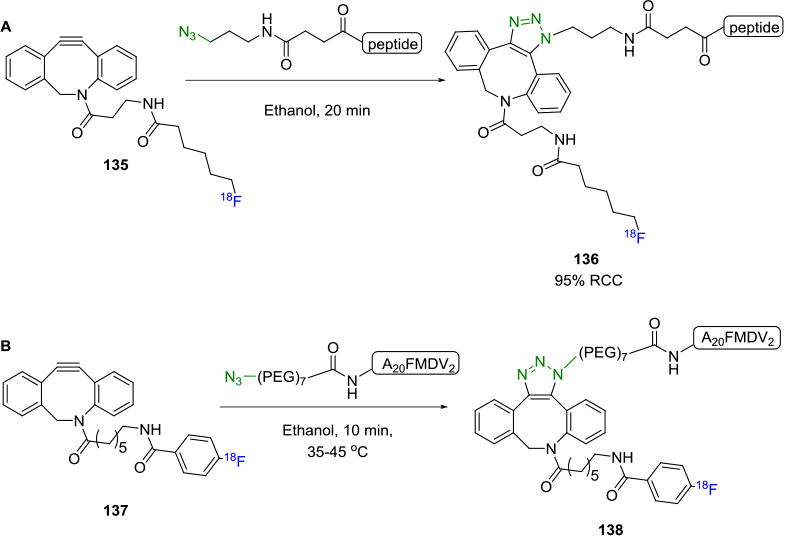
Fluorine-18 Labeling of Azide-Terminated Peptide Containing PEG Linker via SPAAC.

Alkyne-ADIBO Building Block for Fluorine-18 Labeling of Biomolecules.
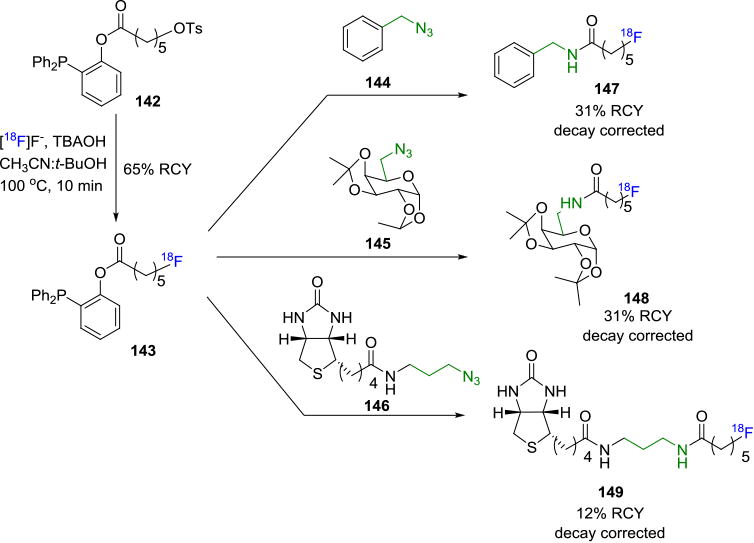
Traceless Staudinger Ligation to Radiolabel Biomolecules.
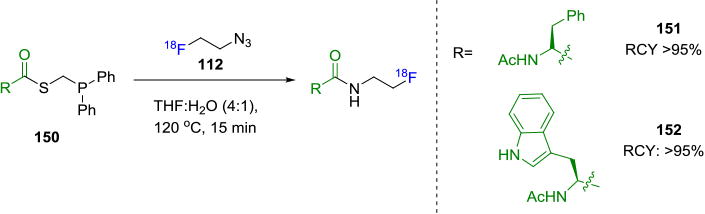
Synthesis of Fluorine-18 Labeled Amino Acid Derivatives from Diarylphosphine Based Thioesters.
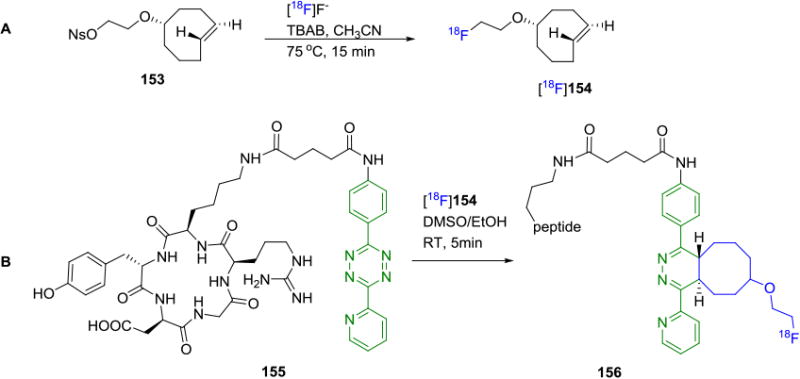
A) Synthesis of Fluorine-18 Labeled TCO, [18F]16. B) Fluorine-18 Labeling of Cyclic-RGD peptide via Tetrazine Ligation.
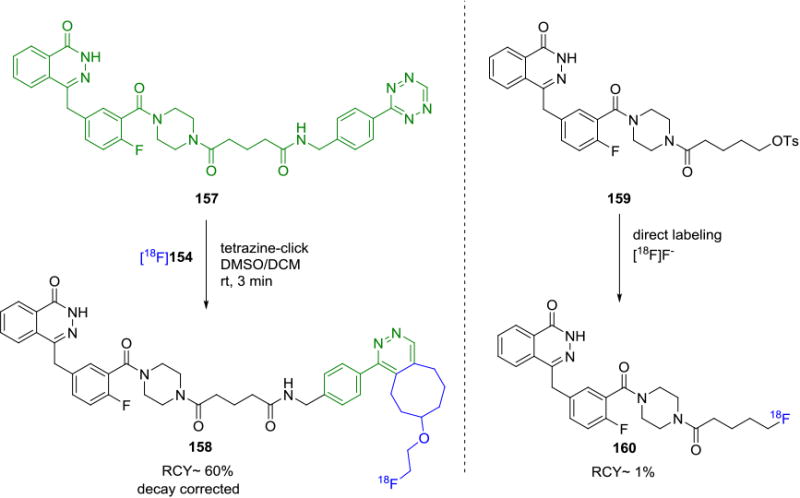
Comparison of Fluorine-18 Labeling by Tetrazine Ligation and Conventional Labeling Strategies.
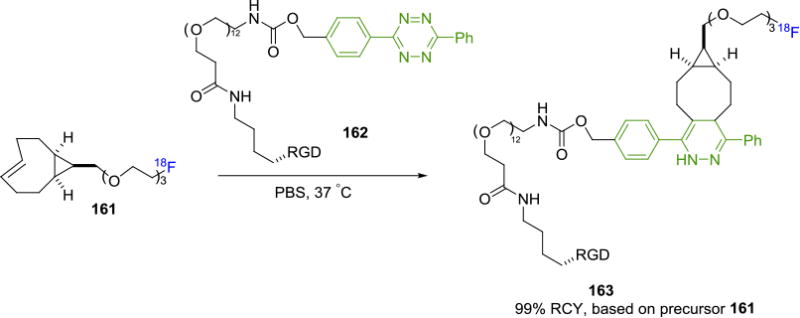
A Fluorine-18 labeled PEG-TCO Prosthetic Group with Improved Pharmacokinetics.

Bioconjugation through Tetrazine-Alkyne IEDDA Reactions.
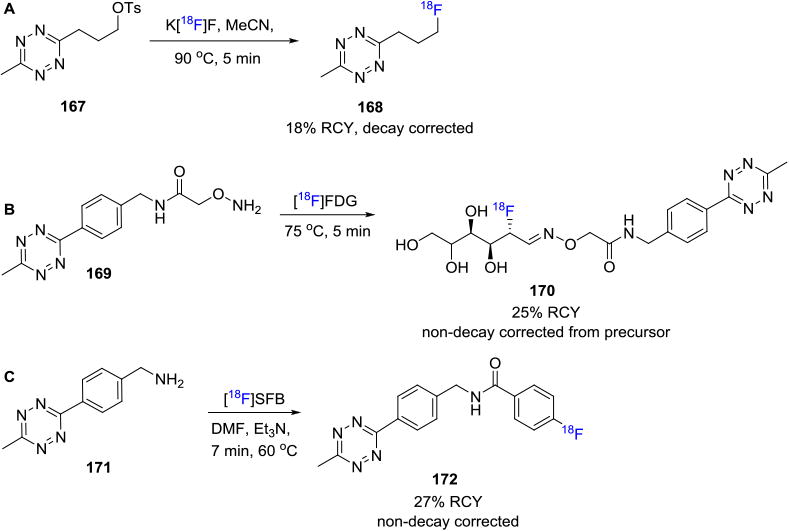
Synthesis of Fluorine-18 Labeled Tetrazine Building Blocks.
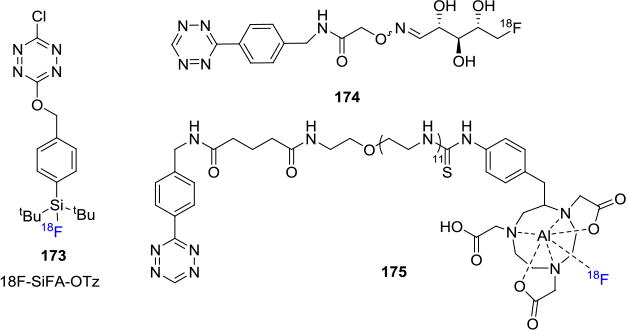
Radiolabeling of TCO-terminated Biomolecules in vivo with Fluorine-18 Labeled Tetrazine Building Blocks.
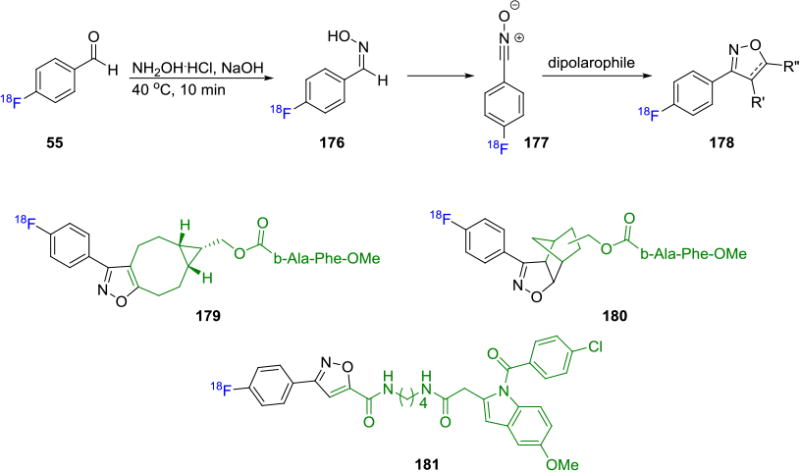
[3+2] Cycloaddition of Dipolarophiles with 4-[18F]Fluorobenzonitrile Oxide.
References
-
- Ametamey SM, Honer M, Schubiger PA. Chem Rev. 2008;108:1501–1516. - PubMed
-
- Gambhir SS. J Nucl Med. 2006;47:557–558. - PubMed
- Jacobson O, Chen X. Pharmacol Rev. 2013;65:1214–1256. - PMC - PubMed
- Kuhnast B, de Bruin B, Hinnen F, Tavitian B, Dollé F. Bioconjugate Chem. 2004;15:617–627. - PubMed
- Shi H, He X, Wang K, Wu X, Ye X, Guo Q, Tan W, Qing Z, Yang X, Zhou B. Proc Natl Acad Sci. 2011;108:3900–3905. - PMC - PubMed
- Vaidyanathan G, Zalutsky MR. Nucl Med Biol. 1997;24:171–178. - PubMed
- Wester HJ, Hamacher K, Stöcklin G. Nucl Med Biol. 1996;23:365–372. - PubMed
- Kühnast B, Dollé F, Terrazzino S, Rousseau B, Loc'h C, Vaufrey F, Hinnen F, Doignon I, Pillon F, David C. Bioconjugate Chem. 2000;11:627–636. - PubMed
-
- Fowler JS, Wolf AP. Acc Chem Res. 1997;30:181–188.
Publication types
MeSH terms
Substances
Grants and funding
LinkOut - more resources
Full Text Sources
Other Literature Sources
