


Membrane Association Dictates Ligand Specificity for the Innate Immune Receptor NOD2
- PMID: 28708377
- PMCID: PMC5569645
- DOI: 10.1021/acschembio.7b00469
Membrane Association Dictates Ligand Specificity for the Innate Immune Receptor NOD2
Abstract
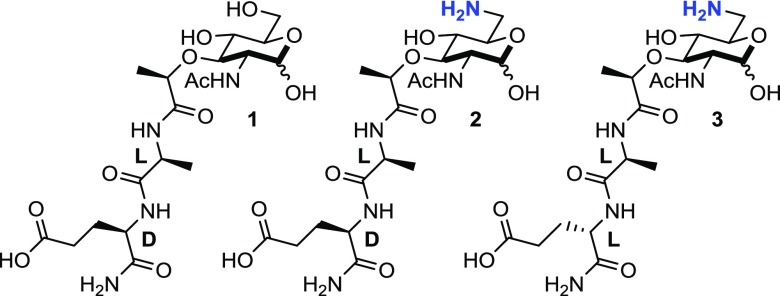
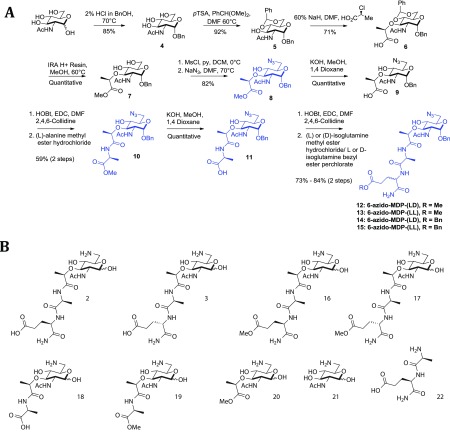
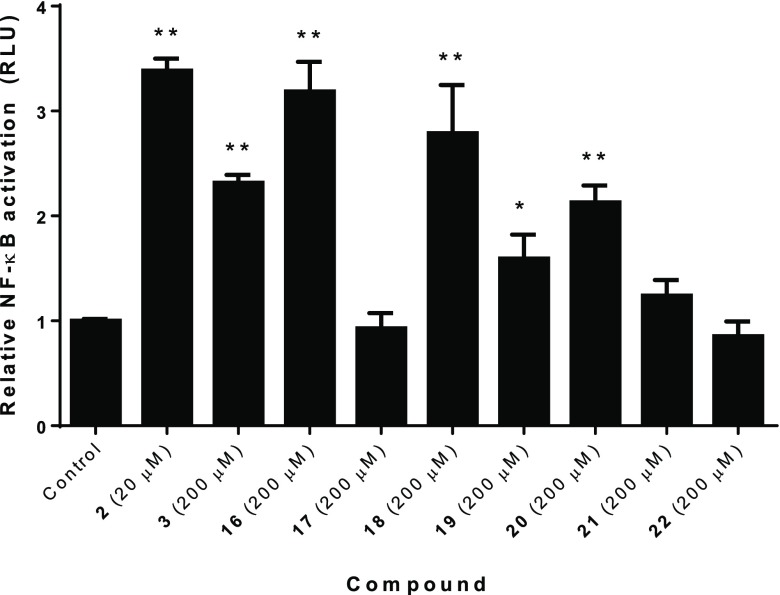
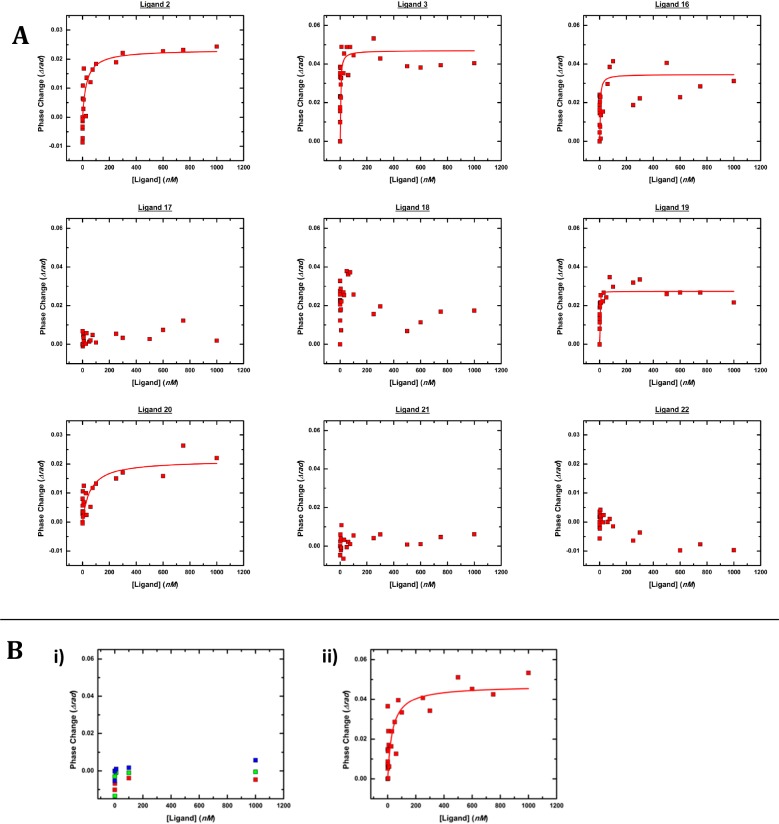
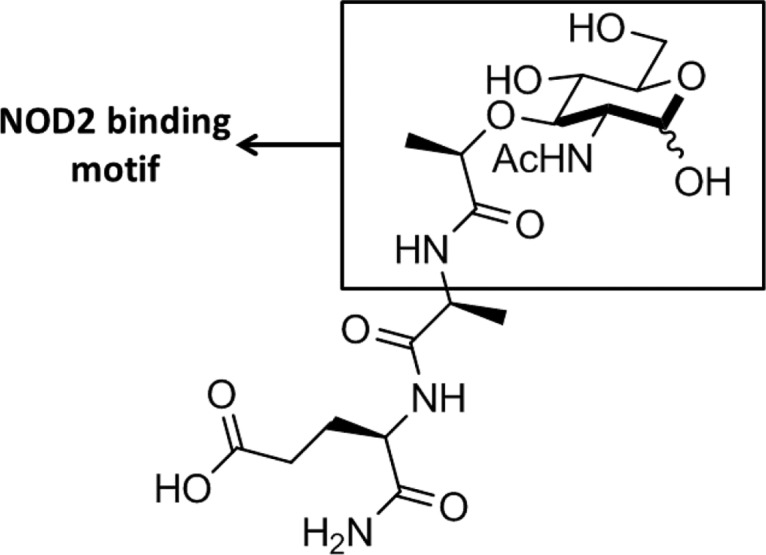
The human gut must regulate its immune response to resident and pathogenic bacteria, numbering in the trillions. The peptidoglycan component of the bacterial cell wall is a dense and rigid structure that consists of polymeric carbohydrates and highly cross-linked peptides which offers protection from the host and surrounding environment. Nucleotide-binding oligomerization domain-containing protein 2 (NOD2), a human membrane-associated innate immune receptor found in the gut epithelium and mutated in an estimated 30% of Crohn's disease patients, binds to peptidoglycan fragments and initiates an immune response. Using a combination of chemical synthesis, advanced analytical assays, and protein biochemistry, we tested the binding of a variety of synthetic peptidoglycan fragments to wild-type (WT)-NOD2. Only when the protein was presented in the native membrane did binding measurements correlate with a NOD2-dependent nuclear factor kappa-light-chain-enhancer of activated B cells (NF-κB) response, supporting the hypothesis that the native-membrane environment confers ligand specificity to the NOD2 receptor for NF-κB signaling. While N-acetyl-muramyl dipeptide (MDP) has been thought to be the minimal peptidoglycan fragment necessary to activate a NOD2-dependent immune response, we found that fragments with and without the dipeptide moiety are capable of binding and activating a NOD2-dependent NF-κB response, suggesting that the carbohydrate moiety of the peptidoglycan fragments is the minimal functional epitope. This work highlights the necessity of studying NOD2-ligand binding in systems that resemble the receptor's natural environment, as the cellular membrane and/or NOD2 interacting partners appear to play a crucial role in ligand binding and in triggering an innate immune response.
Conflict of interest statement
The authors declare no competing financial interest.
Figures
References
-
- Lipinski S.; Grabe N.; Jacobs G.; Billmann-Born S.; Till A.; Hasler R.; Aden K.; Paulsen M.; Arlt A.; Kraemer L.; Hagemann N.; Erdmann K. S.; Schreiber S.; Rosenstiel P. (2012) RNAi screening identifies mediators of NOD2 signaling: Implications for spatial specificity of MDP recognition. Proc. Natl. Acad. Sci. U. S. A. 109, 21426–21431. 10.1073/pnas.1209673109. - DOI - PMC - PubMed
Publication types
MeSH terms
Substances
Grants and funding
LinkOut - more resources
Full Text Sources
Other Literature Sources
