


Predicting all-cause risk of 30-day hospital readmission using artificial neural networks
- PMID: 28708848
- PMCID: PMC5510858
- DOI: 10.1371/journal.pone.0181173
Predicting all-cause risk of 30-day hospital readmission using artificial neural networks
Erratum in
-
Correction: Predicting all-cause risk of 30-day hospital readmission using artificial neural networks.PLoS One. 2018 May 17;13(5):e0197793. doi: 10.1371/journal.pone.0197793. eCollection 2018. PLoS One. 2018. PMID: 29772004 Free PMC article.
Abstract
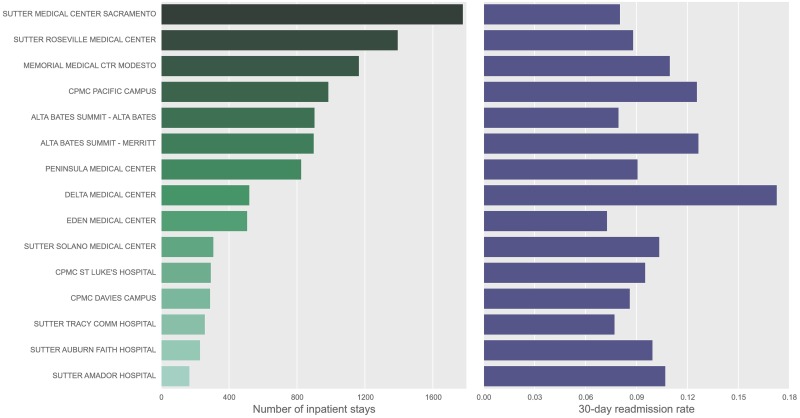
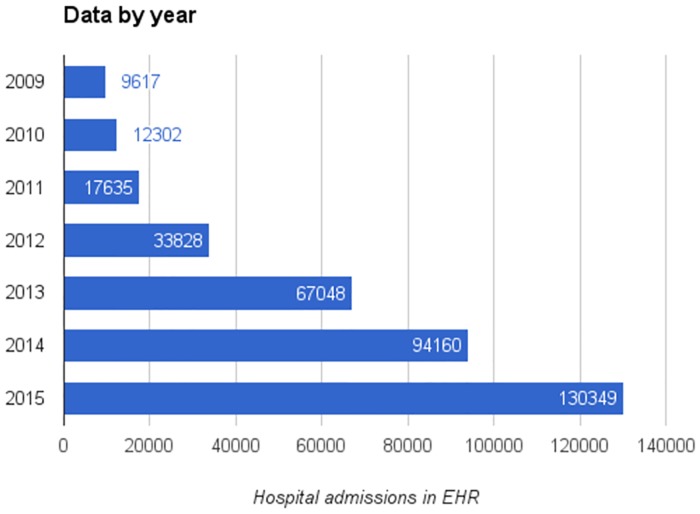
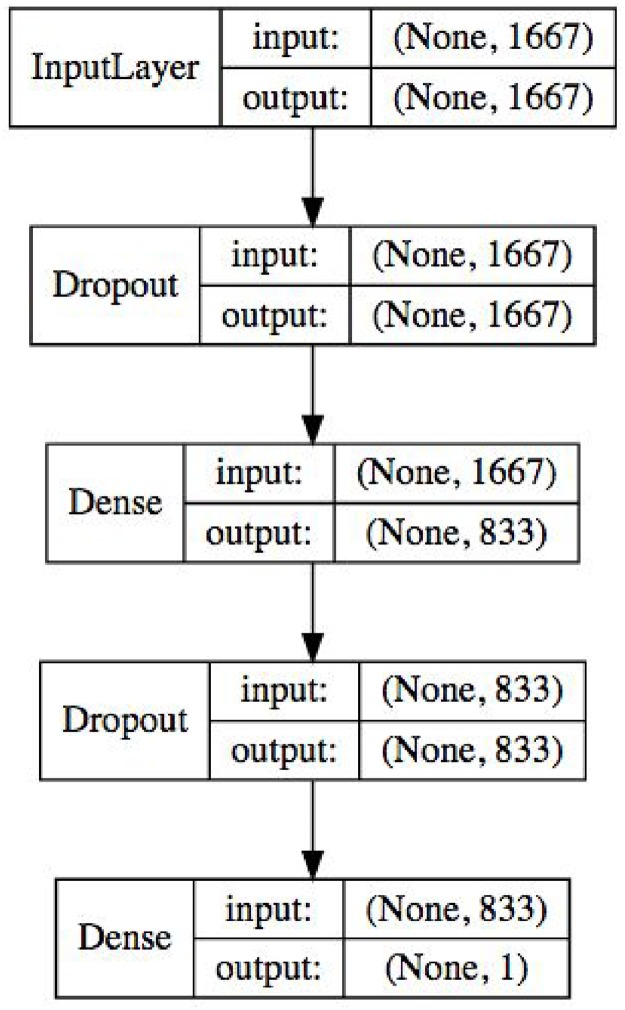
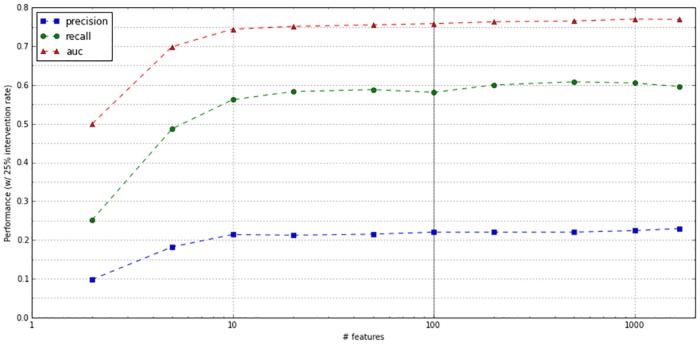
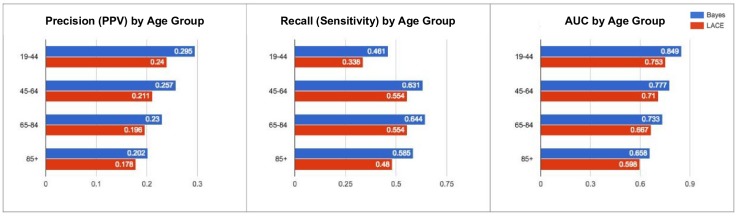
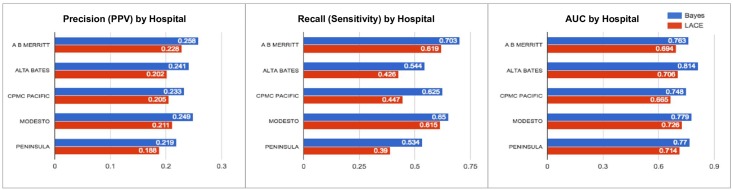
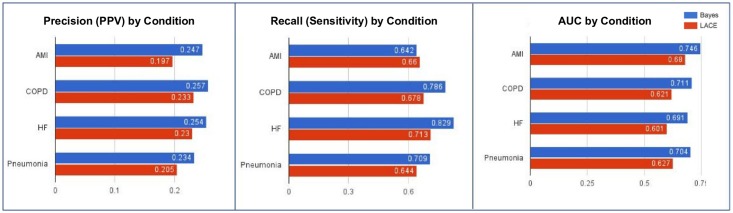
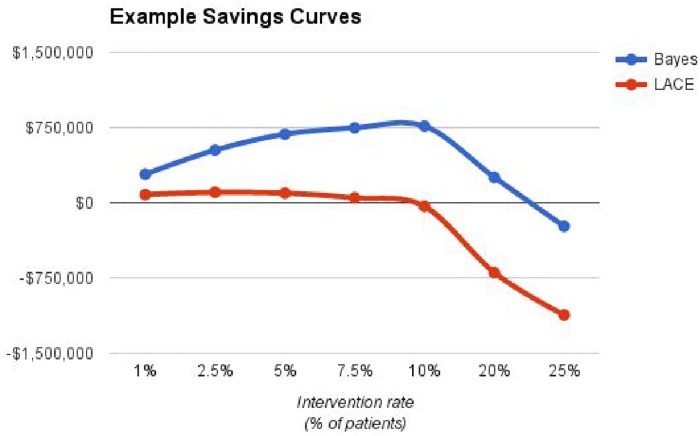
Avoidable hospital readmissions not only contribute to the high costs of healthcare in the US, but also have an impact on the quality of care for patients. Large scale adoption of Electronic Health Records (EHR) has created the opportunity to proactively identify patients with high risk of hospital readmission, and apply effective interventions to mitigate that risk. To that end, in the past, numerous machine-learning models have been employed to predict the risk of 30-day hospital readmission. However, the need for an accurate and real-time predictive model, suitable for hospital setting applications still exists. Here, using data from more than 300,000 hospital stays in California from Sutter Health's EHR system, we built and tested an artificial neural network (NN) model based on Google's TensorFlow library. Through comparison with other traditional and non-traditional models, we demonstrated that neural networks are great candidates to capture the complexity and interdependency of various data fields in EHRs. LACE, the current industry standard, showed a precision (PPV) of 0.20 in identifying high-risk patients in our database. In contrast, our NN model yielded a PPV of 0.24, which is a 20% improvement over LACE. Additionally, we discussed the predictive power of Social Determinants of Health (SDoH) data, and presented a simple cost analysis to assist hospitalists in implementing helpful and cost-effective post-discharge interventions.
Conflict of interest statement
Figures
References
-
- Rockville M. Hospital Guide to Reducing Medicaid Readmissions2014 October 1, 2015. http://www.ahrq.gov/sites/default/files/publications/files/medreadmissio....
-
- Goodman D, Fisher E, Chang C. The revolving door: a report on us hospital readmissions. Princeton, NJ: Robert Wood Johnson Foundation; 2013.
-
- Commission MPA. Report to the Congress: promoting greater efficiency in Medicare: Medicare Payment Advisory Commission (MedPAC); 2007.
-
- McIlvennan CK, Eapen ZJ, Allen LA. Hospital readmissions reduction program. Circulation. 2015;131(20):1796–803. doi: 10.1161/CIRCULATIONAHA.114.010270 - DOI - PMC - PubMed
MeSH terms
LinkOut - more resources
Full Text Sources
Other Literature Sources
Miscellaneous
