


Assessment of the DNA damaging potential of environmental chemicals using a quantitative high-throughput screening approach to measure p53 activation
- PMID: 28714573
- PMCID: PMC5555817
- DOI: 10.1002/em.22112
Assessment of the DNA damaging potential of environmental chemicals using a quantitative high-throughput screening approach to measure p53 activation
Abstract
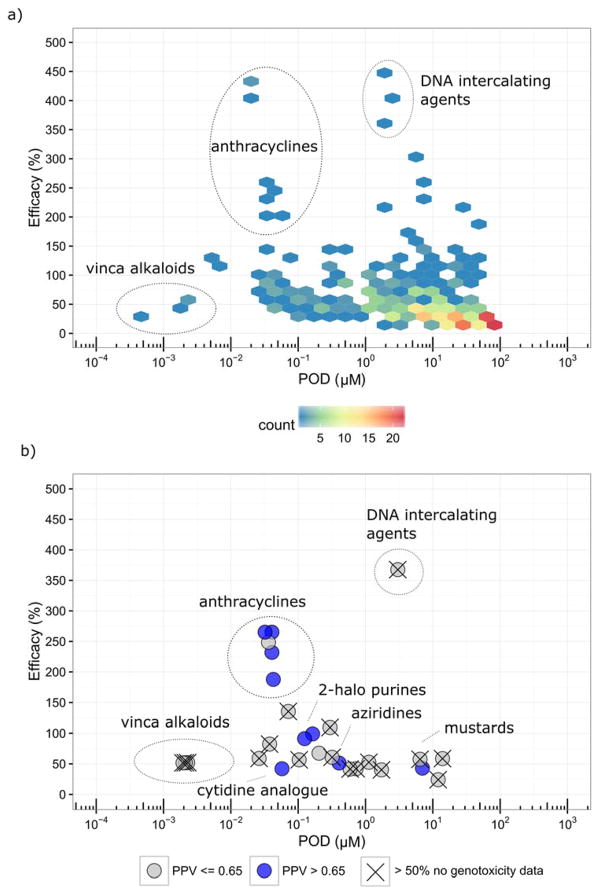
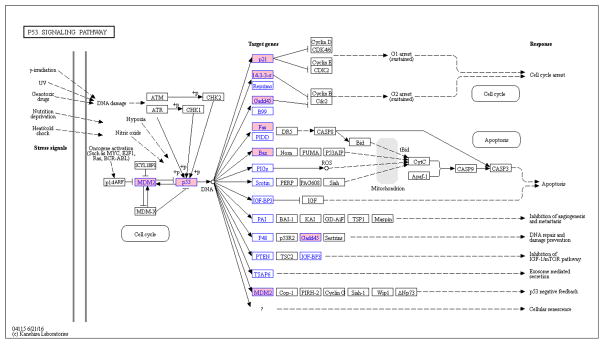
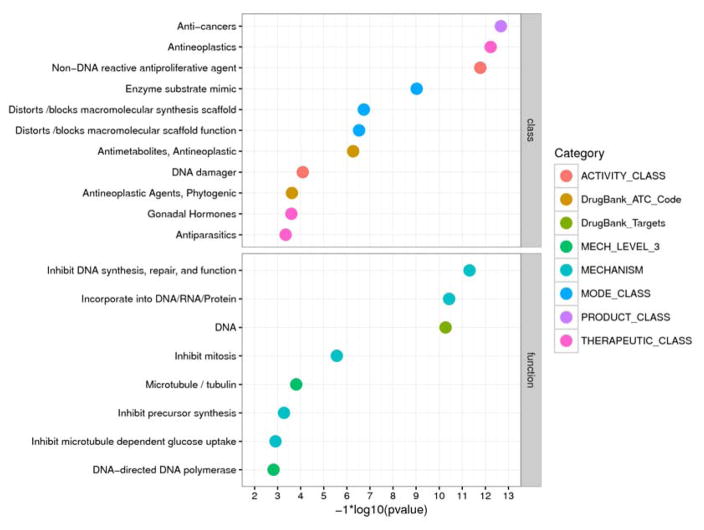
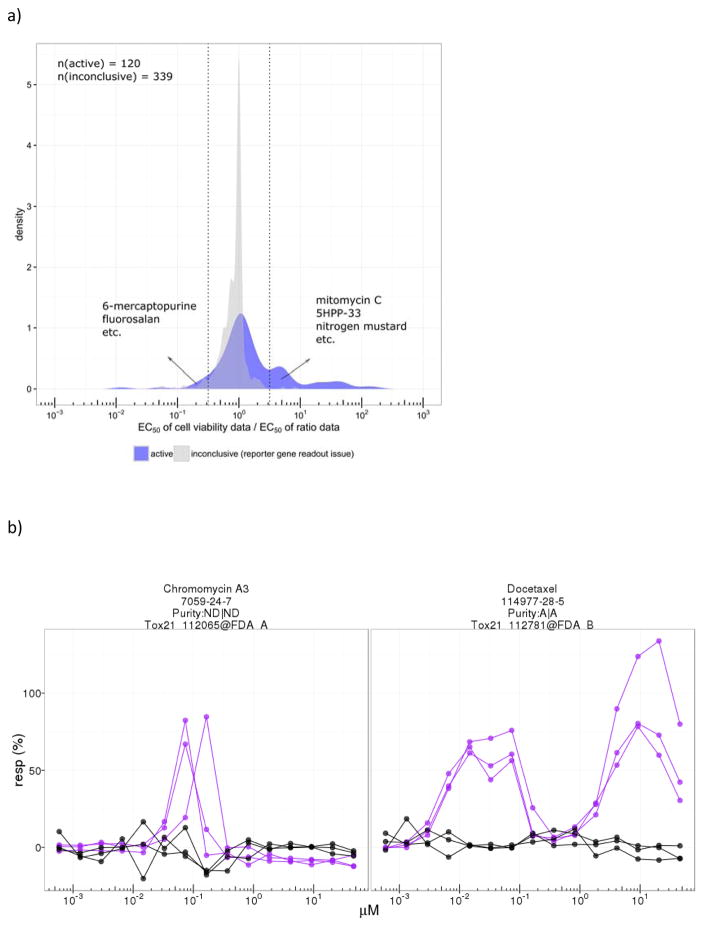
Genotoxicity potential is a critical component of any comprehensive toxicological profile. Compounds that induce DNA or chromosomal damage often activate p53, a transcription factor essential to cell cycle regulation. Thus, within the US Tox21 Program, we screened a library of ∼10,000 (∼8,300 unique) environmental compounds and drugs for activation of the p53-signaling pathway using a quantitative high-throughput screening assay employing HCT-116 cells (p53+/+ ) containing a stably integrated β-lactamase reporter gene under control of the p53 response element (p53RE). Cells were exposed (-S9) for 16 hr at 15 concentrations (generally 1.2 nM to 92 μM) three times, independently. Excluding compounds that failed analytical chemistry analysis or were suspected of inducing assay interference, 365 (4.7%) of 7,849 unique compounds were concluded to activate p53. As part of an in-depth characterization of our results, we first compared them with results from traditional in vitro genotoxicity assays (bacterial mutation, chromosomal aberration); ∼15% of known, direct-acting genotoxicants in our library activated the p53RE. Mining the Comparative Toxicogenomics Database revealed that these p53 actives were significantly associated with increased expression of p53 downstream genes involved in DNA damage responses. Furthermore, 53 chemical substructures associated with genotoxicity were enriched in certain classes of p53 actives, for example, anthracyclines (antineoplastics) and vinca alkaloids (tubulin disruptors). Interestingly, the tubulin disruptors manifested unusual nonmonotonic concentration response curves suggesting activity through a unique p53 regulatory mechanism. Through the analysis of our results, we aim to define a role for this assay as one component of a comprehensive toxicological characterization of large compound libraries. Environ. Mol. Mutagen. 58:494-507, 2017. © 2017 Wiley Periodicals, Inc.
Keywords: DNA damage response; HTS; genotoxicity; mutagenicity; p53 response element.
© 2017 Wiley Periodicals, Inc.
Conflict of interest statement
Figures
References
-
- Behl M, Hsieh JH, Shafer TJ, Mundy WR, Rice JR, Boyd WA, Freedman JH, Hunter ES, 3rd, Jarema KA, Padilla S, Tice RR. Use of alternative assays to identify and prioritize organophosphorus flame retardants for potential developmental and neurotoxicity. Neurotoxicol Teratol. 2015;52(Pt B):181–93. - PubMed
-
- Bukvic N, Susca F, Bukvic D, Fanelli M, Guanti G. 17-alpha-ethinylestradiol and norgestrel in combination induce micronucleus increases and aneuploidy in human lymphocyte and fibroblast cultures. Teratog Carcinog Mutagen. 2000;20(3):147–59. - PubMed
-
- de Stoppelaar JM, Faessen P, Zwart E, Hozeman L, Hodemaekers H, Mohn GR, Hoebee B. Isolation of DNA probes specific for rat chromosomal regions 19p, 19q and 4q and their application for the analysis of diethylstilbestrol-induced aneuploidy in binucleated rat fibroblasts. Mutagenesis. 2000;15(2):165–75. - PubMed
Publication types
MeSH terms
Substances
Grants and funding
LinkOut - more resources
Full Text Sources
Other Literature Sources
Research Materials
Miscellaneous
