


Weight-adjusted lean body mass and calf circumference are protective against obesity-associated insulin resistance and metabolic abnormalities
- PMID: 28721400
- PMCID: PMC5499104
- DOI: 10.1016/j.heliyon.2017.e00347
Weight-adjusted lean body mass and calf circumference are protective against obesity-associated insulin resistance and metabolic abnormalities
Erratum in
-
Corrigendum to 'Weight-adjusted lean body mass and calf circumference are protective against obesity-associated insulin resistance and metabolic abnormalities'.Heliyon. 2017 Jul 26;3(7):e00363. doi: 10.1016/j.heliyon.2017.e00363. eCollection 2017 Jul. Heliyon. 2017. PMID: 28795161 Free PMC article.
Abstract
Background: To test the hypothesis that preserved muscle mass is protective against obesity-associated insulin resistance and metabolic abnormalities, we analyzed the relationship of lean body mass and computed tomography-assessed sectional areas of specific skeletal muscles with insulin resistance and metabolic abnormalities in a healthy cohort.
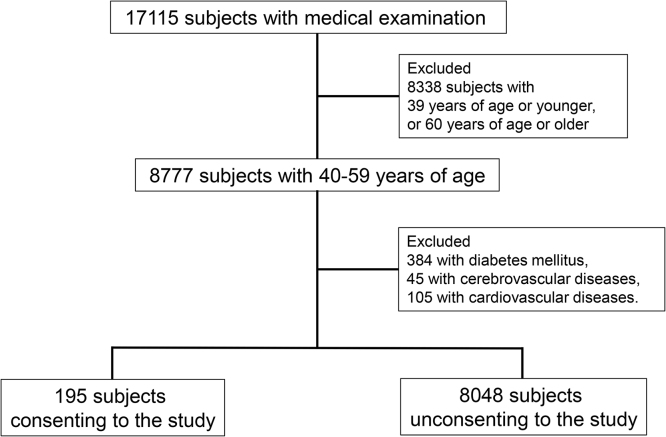
Methods: A total of 195 subjects without diabetes who had completed a medical examination were included in this study. Various anthropometric indices such as circumferences of the arm, waist, hip, thigh, and calf were measured. Body composition (fat and lean body mass) was determined by bioelectrical impedance analysis. Sectional areas of specific skeletal muscles (iliopsoas, erector spinae, gluteus, femoris, and rectus abdominis muscles) were measured using computed tomography.
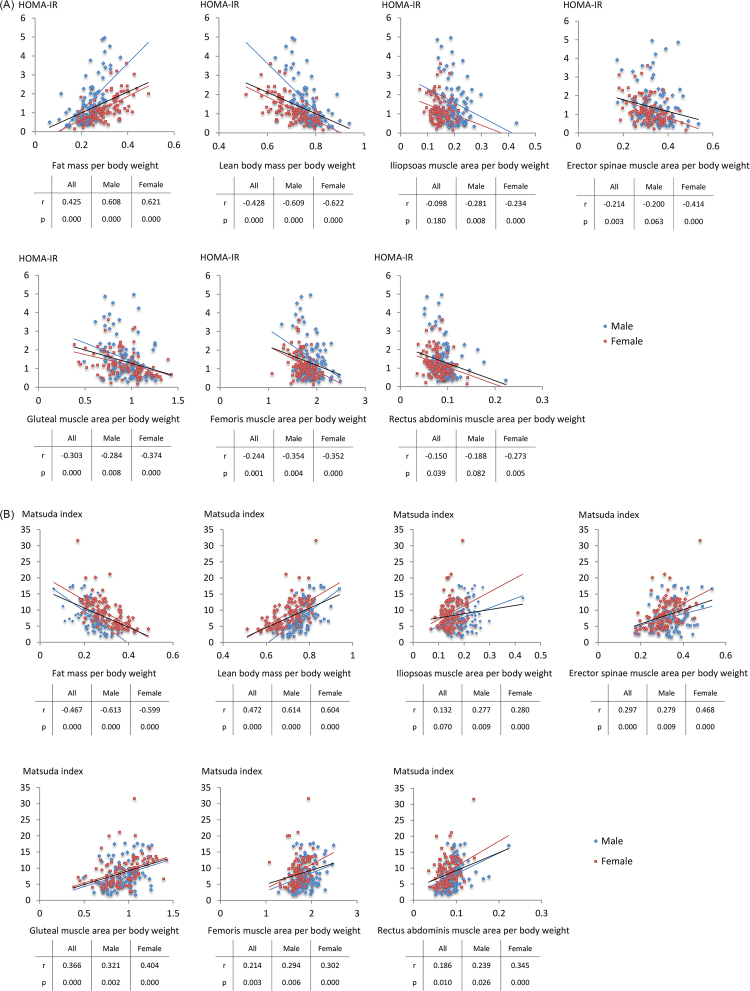
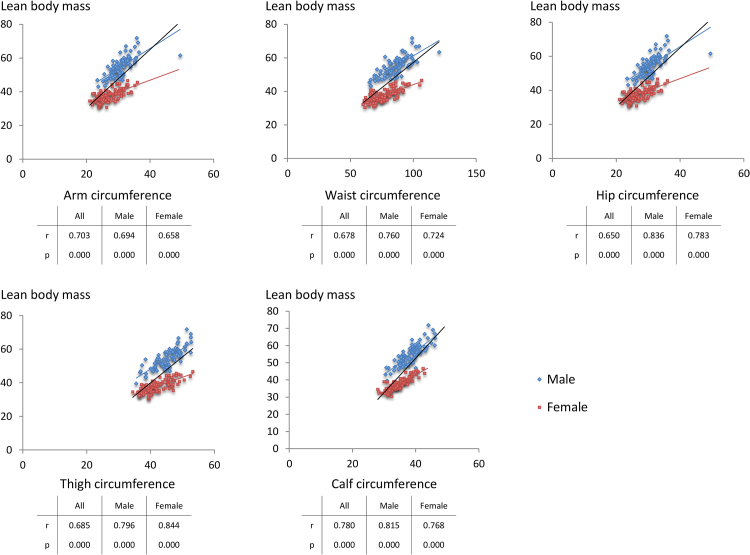
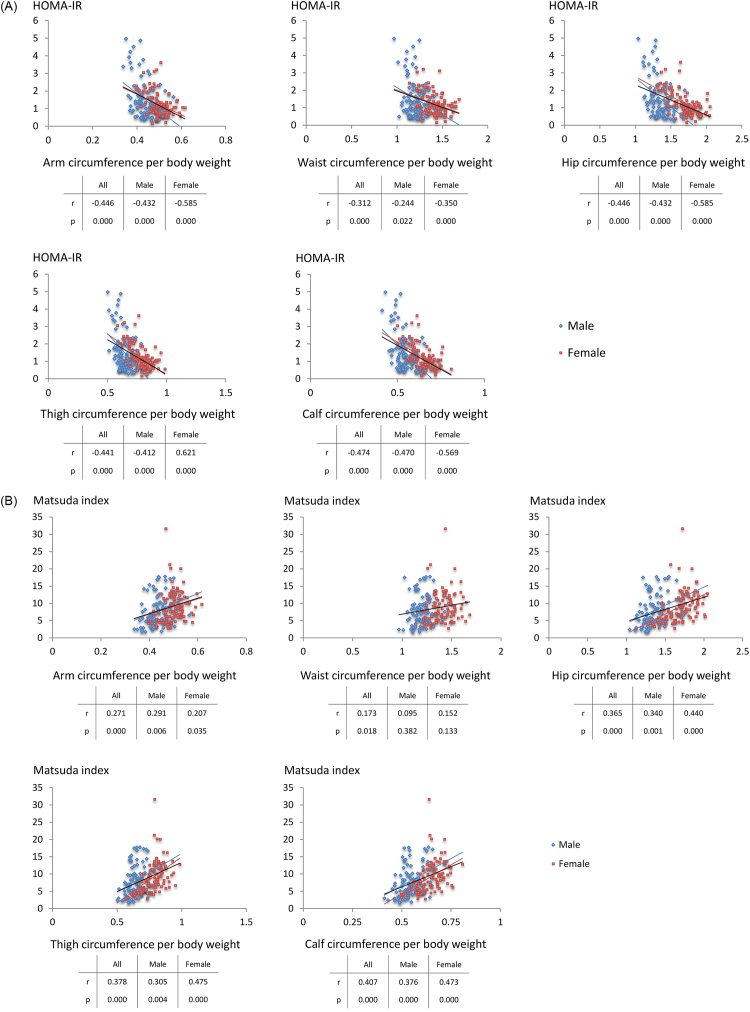
Findings: Fat and lean body mass were significantly correlated with metabolic abnormalities and insulin resistance indices. When adjusted by weight, relationships of fat and lean body mass with metabolic parameters were mirror images of each other. The weight-adjusted lean body mass negatively correlated with systolic and diastolic blood pressures; fasting plasma glucose, HbA1c, alanine aminotransferase, and triglyceride, and insulin levels; and hepatic insulin resistance indices, and positively correlated with HDL-cholesterol levels and muscle insulin sensitivity indices. Compared with weight-adjusted lean body mass, weight-adjusted sectional areas of specific skeletal muscles showed similar, but not as strong, correlations with metabolic parameters. Among anthropometric measures, the calf circumference best reflected lean body mass, and weight-adjusted calf circumference negatively correlated with metabolic abnormalities and insulin resistance indices.
Interpretation: Weight-adjusted lean body mass and skeletal muscle area are protective against weight-associated insulin resistance and metabolic abnormalities. The calf circumference reflects lean body mass and may be useful as a protective marker against obesity-associated metabolic abnormalities.
Keywords: Anatomy; Biological sciences; Endocrinology; Health sciences; Medicine; Metabolism.
Figures
References
-
- Pedersen B.K., Febbraio M.A. Muscles, exercise and obesity: skeletal muscle as a secretory organ. Nat. Rev. Endocrinol. 2012;8:457–465. - PubMed
-
- Takamura T., Misu H., Ota T., Kaneko S. Fatty liver as a consequence and cause of insulin resistance: lessons from type 2 diabetic liver. Endocr. J. 2012;59:745–763. http://www.ncbi.nlm.nih.gov/pubmed/22893453 - PubMed
-
- Srikanthan P., Karlamangla A.S. Relative Muscle Mass Is Inversely Associated with Insulin Resistance and Prediabetes. Findings from The Third National Health and Nutrition Examination Survey. J. Clin. Endocrinol. Metab. 2011;96:2898–2903. - PubMed
LinkOut - more resources
Full Text Sources
Other Literature Sources
