Effects of metformin on endothelial health and erectile dysfunction
- PMID: 28725599
- PMCID: PMC5503973
- DOI: 10.21037/tau.2017.03.52
Effects of metformin on endothelial health and erectile dysfunction
Abstract
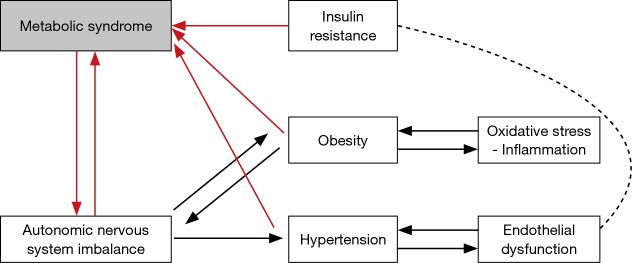
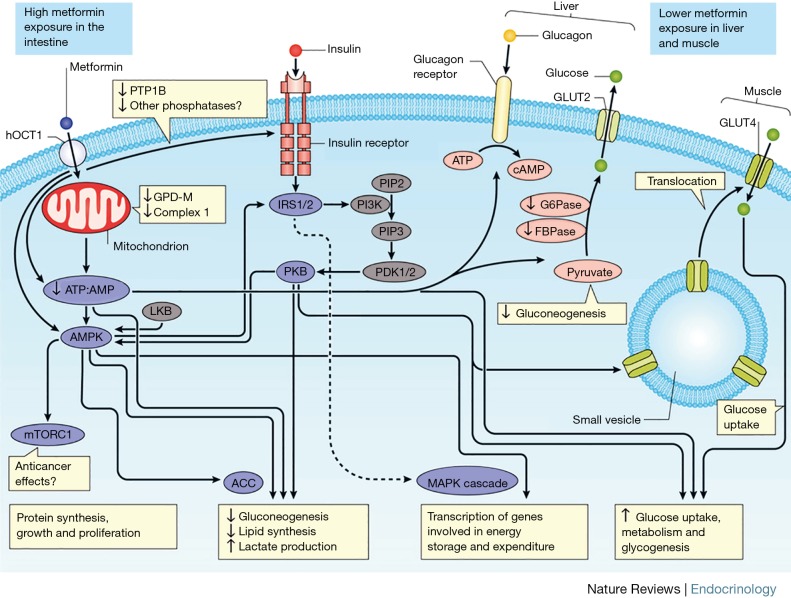
Erectile dysfunction (ED) affects approximately 18 million American men. ED may be attributed to several etiologies, including arteriogenic, psychogenic, neurogenic, hormonal, drug-induced, and systemic disease or aging related factors. Specific to arteriogenic ED, three major mechanisms have been identified: (I) endothelium-dependent vasodilatory impairment; (II) sympathetic nerve activity elevation; (III) atherosclerotic luminal narrowing. Additionally, these insults have been linked to the insulin resistant state, which in turn is comorbid with obesity, dyslipidemia, diabetes, and hypertension. In this review, we summarize the evidence regarding the impact of metformin-an insulin sensitizer-on the three mechanisms of arteriogenic ED. We report that metformin treatment positively affects two of three pathways, specifically through enhanced endothelium-dependent vasodilation and sympathetic nerve activity attenuation, but does not seem to have a significant impact on hypertension regulation. Given the encouraging data found in both animal and clinical studies, we advocate for further studies on metformin use in ED.
Keywords: Erectile dysfunction (ED); endothelium; metformin; vascular.
Conflict of interest statement
Conflicts of Interest: The authors have no conflicts of interest to declare.
Figures
References
Publication types
Grants and funding
LinkOut - more resources
Full Text Sources
Other Literature Sources