


Pathologic and Prognostic Implications of Incidental versus Nonincidental Gallbladder Cancer: A 10-Institution Study from the United States Extrahepatic Biliary Malignancy Consortium
- PMID: 28738935
- PMCID: PMC5915617
Pathologic and Prognostic Implications of Incidental versus Nonincidental Gallbladder Cancer: A 10-Institution Study from the United States Extrahepatic Biliary Malignancy Consortium
Abstract
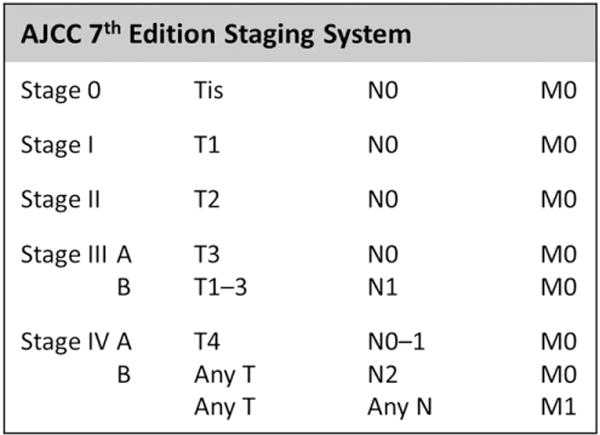
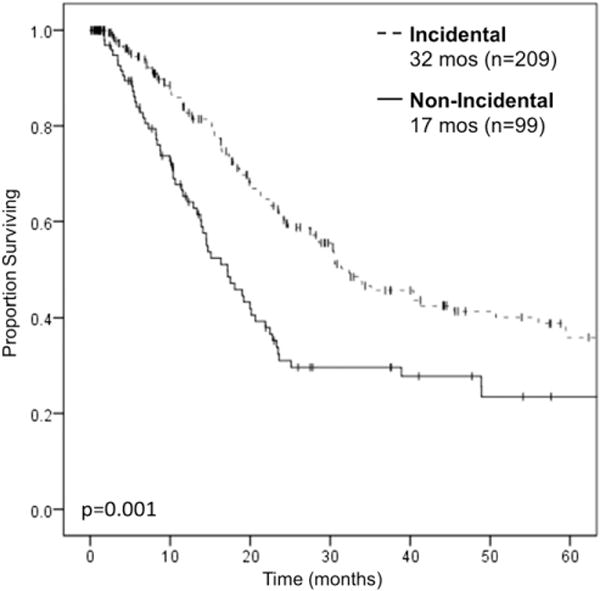
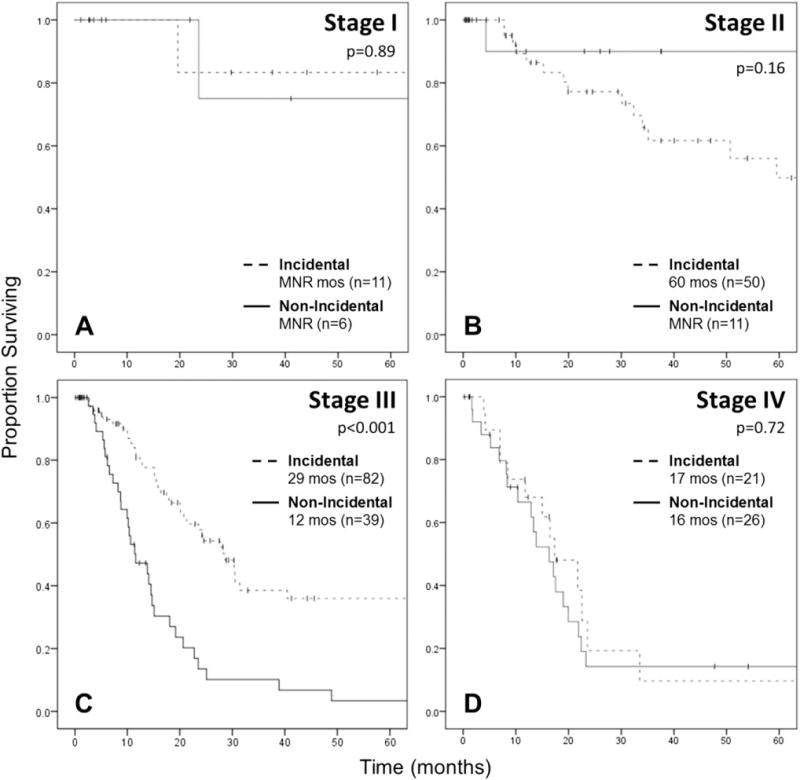
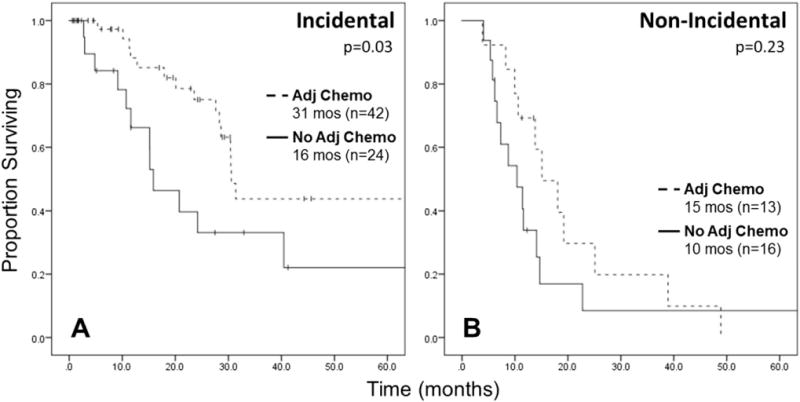
Most gallbladder cancers (GBCs) are discovered incidentally after routine cholecystectomy. The influence of timing of diagnosis on disease stage, treatment, and prognosis is not known. Patients with GBC who underwent resection at 10 institutions from 2000 to 2015 were included. Patients diagnosed incidentally (IGBC) and nonincidentally (non-IGBC) were compared. Primary outcome was overall survival (OS). Of 445 patients with GBC, 266 (60%) were IGBC and 179 (40%) were non-IGBC. Compared with IGBC, non-IGBC patients were more likely to have R2 resections (43% vs 19%; P < 0.001), advanced T-stage (T3/T4: 70% vs 40%; P < 0.001), high-grade tumors (50% vs 31%; P < 0.001), lymphovascular invasion (64% vs 45%; P = 0.01), and positive lymph nodes (60% vs 43%; P = 0.009). Receipt of adjuvant chemotherapy was similar between groups (49% vs 49%). Non-IGBC was associated with worse median OS compared with IGBC (17 vs 32 months; P < 0.001), which persisted among stage III patients (12 vs 29 months; P < 0.001), but not stages I, II, or IV. Despite accounting for other adverse pathologic factors (grade, T-stage, lymphovascular invasion, margin, lymph node), adjuvant chemotherapy was associated with improved OS only in stage III IGBC, but not in non-IGBC. Compared with incidental discovery, non-IGBC is associated with reduced OS, which is most evident in stage III disease. Despite being well matched for other adverse pathologic factors, adjuvant chemotherapy was associated with improved survival only in stage III patients with incidentally discovered cancer. This underscores the importance of timing of diagnosis in GBC and suggests that these two groups may represent a distinct biology of disease, and the same treatment paradigm may not be appropriate.
Figures
References
-
- Siegel RL, Miller KD, Jemal A. Cancer statistics, 2015. CA Cancer J Clin. 2015;65:5–29. - PubMed
-
- Wilkinson DS. Carcinoma of the gall-bladder: an experience and review of the literature. Aust N Z J Surg. 1995;65:724–7. - PubMed
-
- Benoist S, Panis Y, Fagniez PL. Long-term results after curative resection for carcinoma of the gallbladder. French University Association for Surgical Research. Am J Surg. 1998;175:118–22. - PubMed
Publication types
MeSH terms
Grants and funding
LinkOut - more resources
Full Text Sources
Medical