


Digging up food: excavation stone tool use by wild capuchin monkeys
- PMID: 28740211
- PMCID: PMC5524703
- DOI: 10.1038/s41598-017-06541-0
Digging up food: excavation stone tool use by wild capuchin monkeys
Abstract
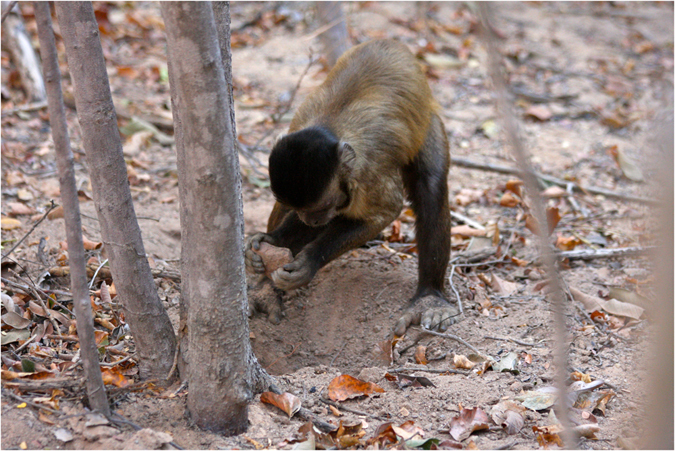
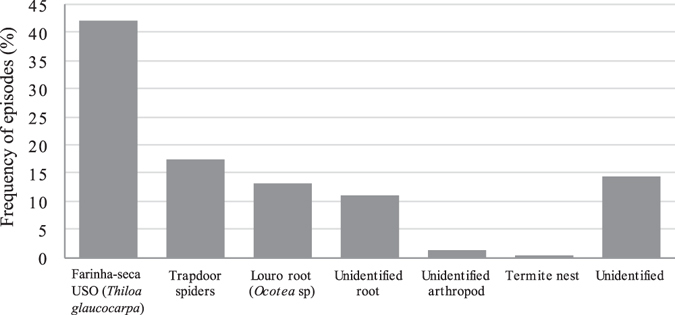
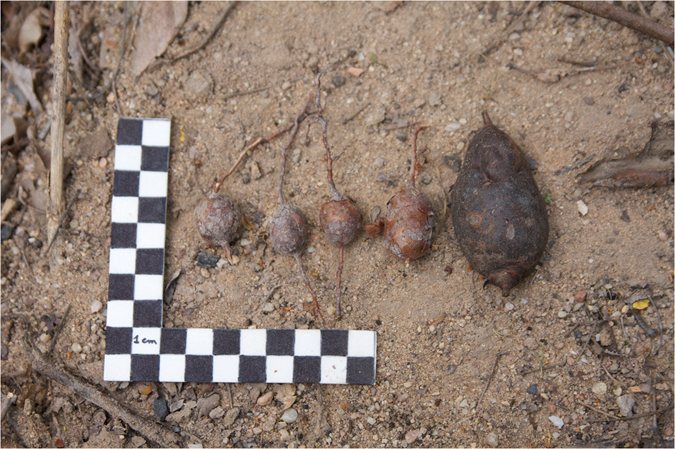
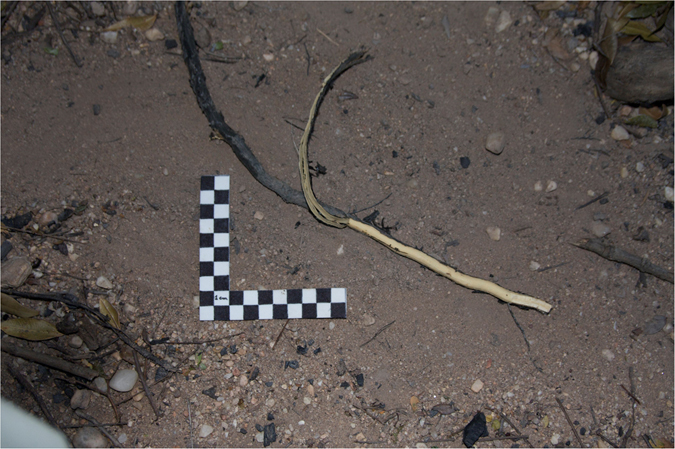
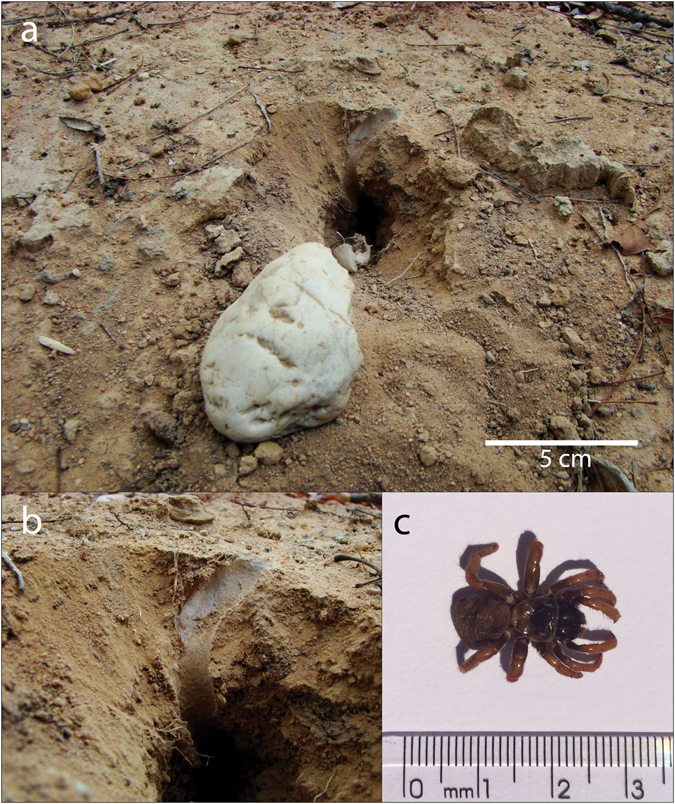
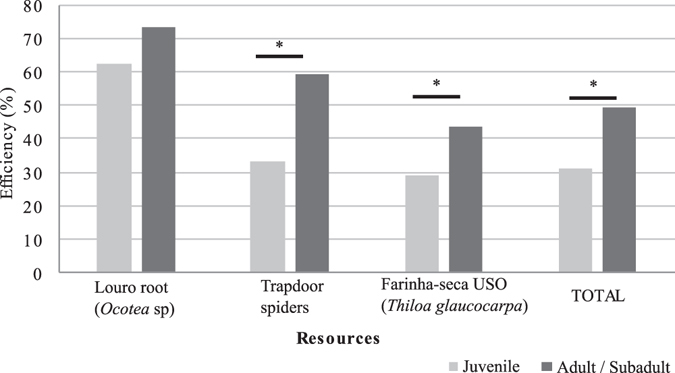
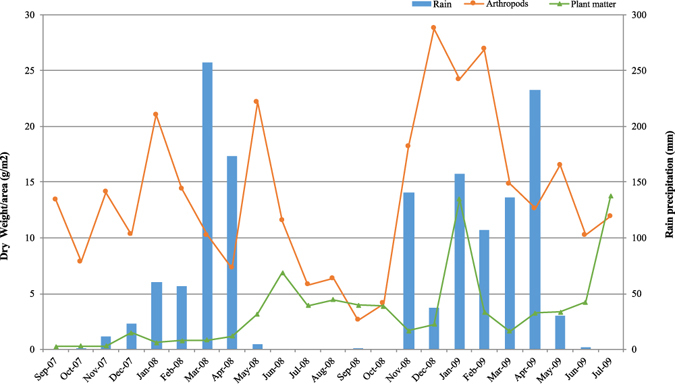
Capuchin monkeys at Serra da Capivara National Park (SCNP) usually forage on the ground for roots and fossorial arthropods, digging primarily with their hands but also using stone tools to loosen the soil and aid the digging process. Here we describe the stone tools used for digging by two groups of capuchins on SCNP. Both groups used tools while digging three main food resources: Thiloa glaucocarpa tubers, Ocotea sp roots, and trapdoor spiders. One explanation for the occurrence of tool use in primates is the "necessity hypothesis", which states that the main function of tool use is to obtain fallback food. We tested for this, but only found a positive correlation between plant food availability and the frequency of stone tools' use. Thus, our data do not support the fallback food hypothesis for the use of tools to access burrowed resources.
Conflict of interest statement
The authors declare that they have no competing interests.
Figures
References
-
- Falótico T, Ottoni EB. The manifold use of pounding stone tools by wild capuchin monkeys of Serra da Capivara National Park, Brazil. Behaviour. 2016;153:421–442. doi: 10.1163/1568539X-00003357. - DOI
-
- Izawa K. Foods and feeding behavior of wild black-capped capuchin (Cebus apella) Primates. 1979;20:57–76. doi: 10.1007/BF02373828. - DOI
Publication types
MeSH terms
LinkOut - more resources
Full Text Sources
Other Literature Sources
