


Extranodal NK/T-Cell Lymphoma, Nasal Type, Presenting as Refractory Pseudomonas aeruginosa Facial Cellulitis
- PMID: 28748192
- PMCID: PMC5507379
- DOI: 10.1177/2324709617716471
Extranodal NK/T-Cell Lymphoma, Nasal Type, Presenting as Refractory Pseudomonas aeruginosa Facial Cellulitis
Abstract
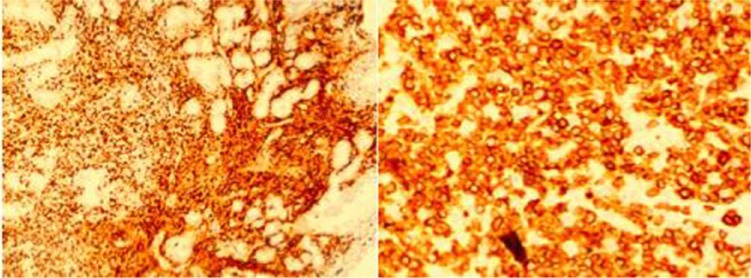
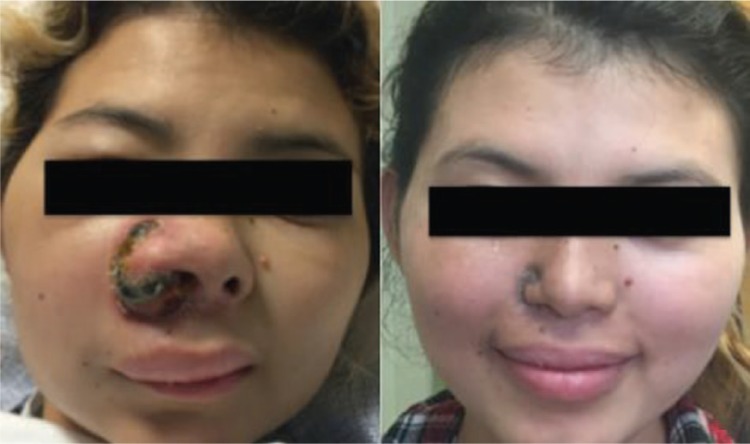
Extranodal natural killer T-cell lymphoma, nasal type (ENKL), formerly called lethal midline granuloma or angiocentric T-cell lymphoma, is a predominantly extranodal non-Hodgkin lymphoma characterized by vascular damage, necrosis, and an association with Epstein-Barr virus. In the United States, it is more frequently seen in Asian, Asian Pacific Islander, and Hispanic descent populations and is more prevalent in males in their fifth decade. Clinical presentation of NK nasal lymphoma most commonly involves epistaxis; obstruction; discharge; destructive mass in sinuses, palate, and nose; and skin ulceration. These symptoms can mimic invasive fungal infections and other sinonasal disorders. Furthermore, ENKL has a broad cytologic spectrum and induces a mixture of inflammatory cells, causing difficulty in establishing the diagnosis, especially in initial biopsies. We present a case of refractory Pseudomonas aeruginosa facial cellulitis in a young woman whose treatment course was complicated by septic shock and resistance to multiple antibiotics, resulting in a delayed diagnosis of ENKL nasal type.
Keywords: ENKL; Epstein-Barr virus infections/virology; United States; extranodal NK-T-cell/pathology; humans; lymphoma.
Conflict of interest statement
Declaration of Conflicting Interests: The author(s) declared no potential conflicts of interest with respect to the research, authorship, and/or publication of this article.
Figures
References
LinkOut - more resources
Full Text Sources
Other Literature Sources
