


The potential of natural products for targeting PPAR α
- PMID: 28752027
- PMCID: PMC5518659
- DOI: 10.1016/j.apsb.2017.05.005
The potential of natural products for targeting PPAR α
Abstract
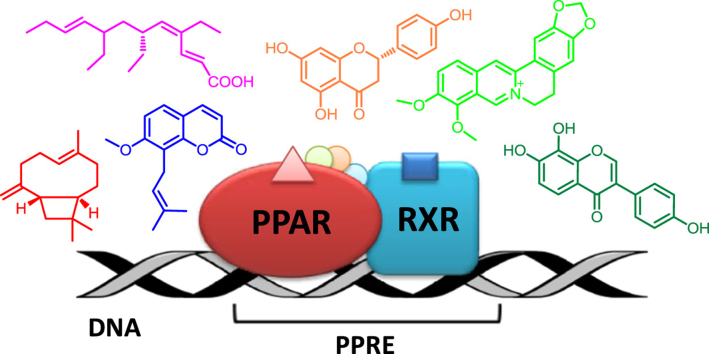
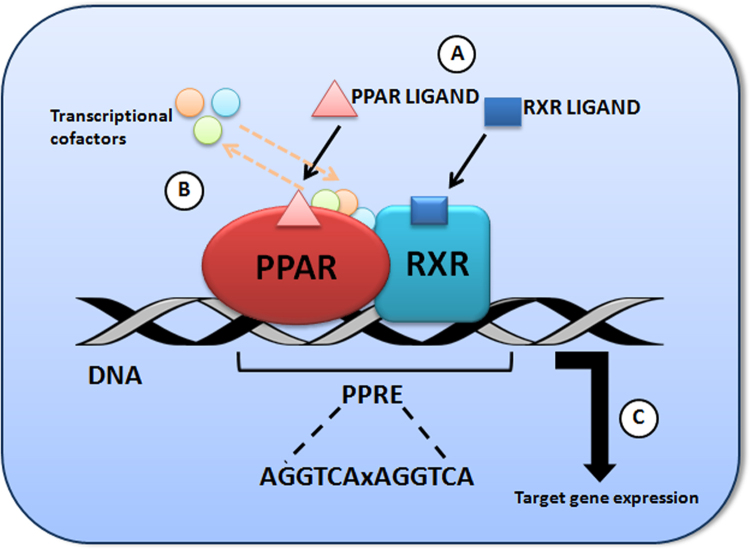
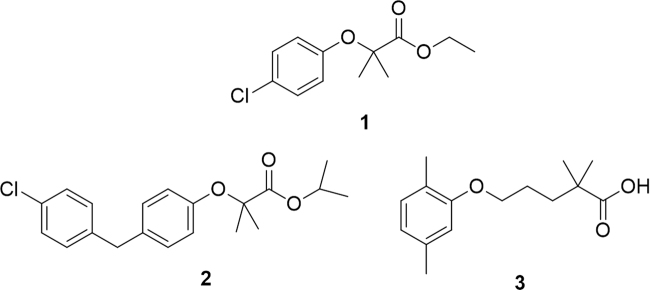
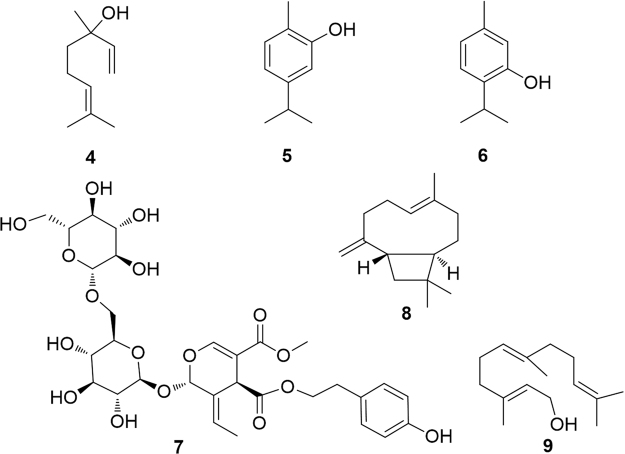
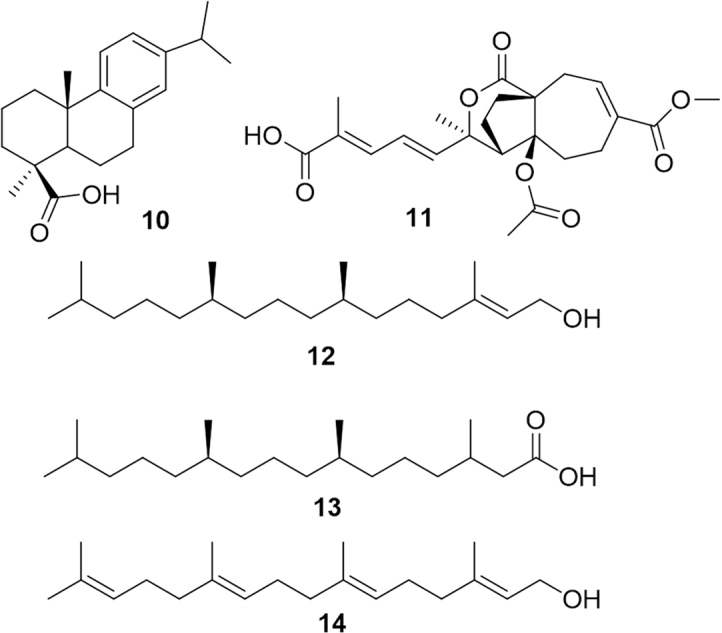
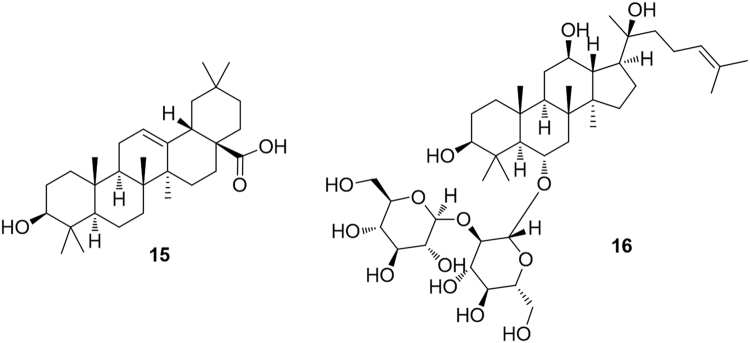
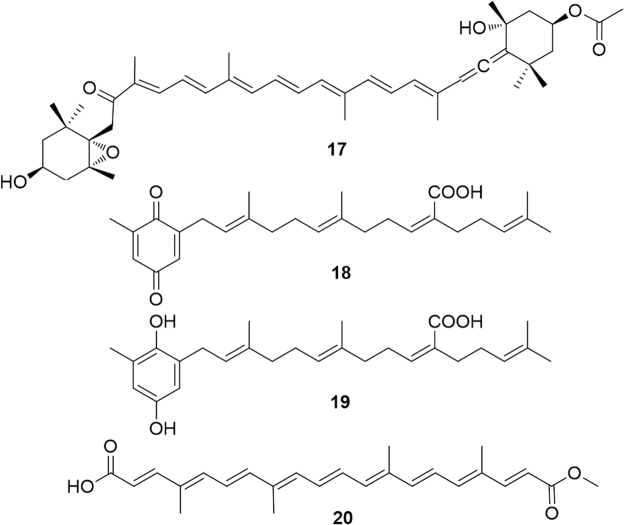
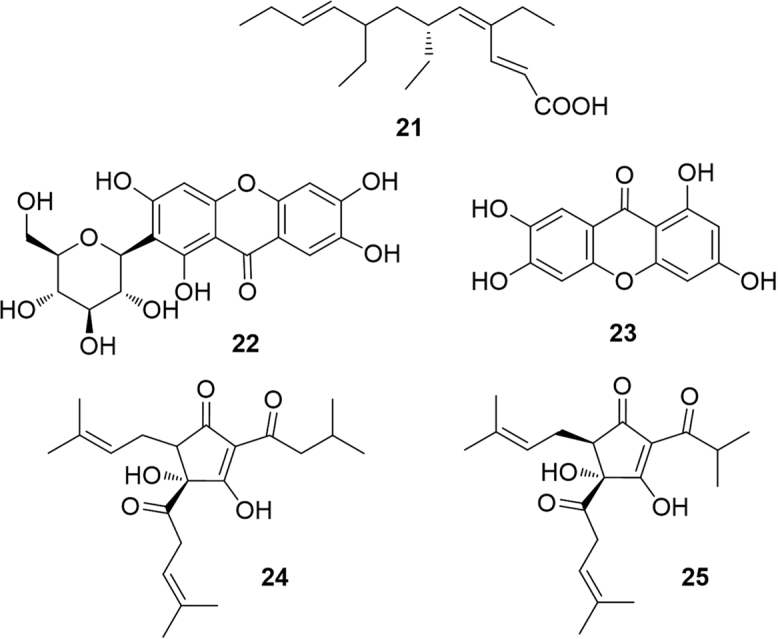
Peroxisome proliferator activated receptors (PPARs) α, -γ and -β/δ are ligand-activated transcription factors and members of the superfamily of nuclear hormone receptor. These receptors play key roles in maintaining glucose and lipid homeostasis by modulating gene expression. PPARs constitute a recognized druggable target and indeed several classes of drugs used in the treatment of metabolic disease symptoms, such as dyslipidemia (fibrates, e.g. fenofibrate and gemfibrozil) and diabetes (thiazolidinediones, e.g. rosiglitazone and pioglitazone) are ligands for the various PPAR isoforms. More precisely, antidiabetic thiazolidinediones act on PPARγ, while PPARα is the main molecular target of antidyslipidemic fibrates. Over the past few years, our understanding of the mechanism underlying the PPAR modulation of gene expression has greatly increased. This review presents a survey on terrestrial and marine natural products modulating the PPARα system with the objective of highlighting how the incredible chemodiversity of natural products can provide innovative leads for this "hot" target.
Keywords: Dyslipidemia; Mechanism of action; Metabolic syndrome; Natural product; PPARα.
Figures
References
-
- Dreyer C., Krey G., Keller H., Givel F., Helftenbein G., Wahli W. Control of the peroxisomal β-oxidation pathway by a novel family of nuclear hormone receptors. Cell. 1992;68:879–887. - PubMed
-
- Berger J.P., Akiyama T., Meinke P. PPARs: therapeutic targets for metabolic disease. Trends Pharmacol Sci. 2005;26:244–251. - PubMed
-
- Staels B., Fruchart J.C. Therapeutic roles of peroxisome proliferator-activated receptor agonists. Diabetes. 2005;54:2460–2470. - PubMed
-
- Hostetler H.A., Petrescu A.D., Kier A.B., Schroeder F. Peroxisome proliferator-activated receptor α interacts with high affinity and is conformationally responsive to endogenous ligands. J Biol Chem. 2005;280:18667–18682. - PubMed
Publication types
LinkOut - more resources
Full Text Sources
Other Literature Sources
Miscellaneous
