


Genome-wide map of Apn1 binding sites under oxidative stress in Saccharomyces cerevisiae
- PMID: 28752642
- PMCID: PMC5677541
- DOI: 10.1002/yea.3247
Genome-wide map of Apn1 binding sites under oxidative stress in Saccharomyces cerevisiae
Abstract
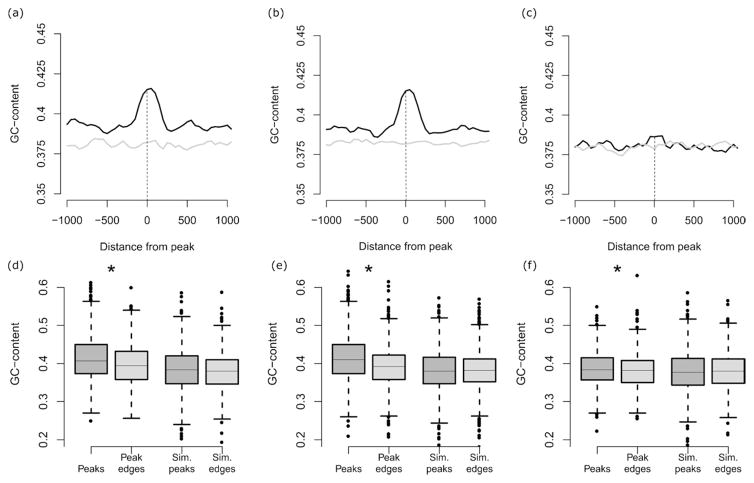
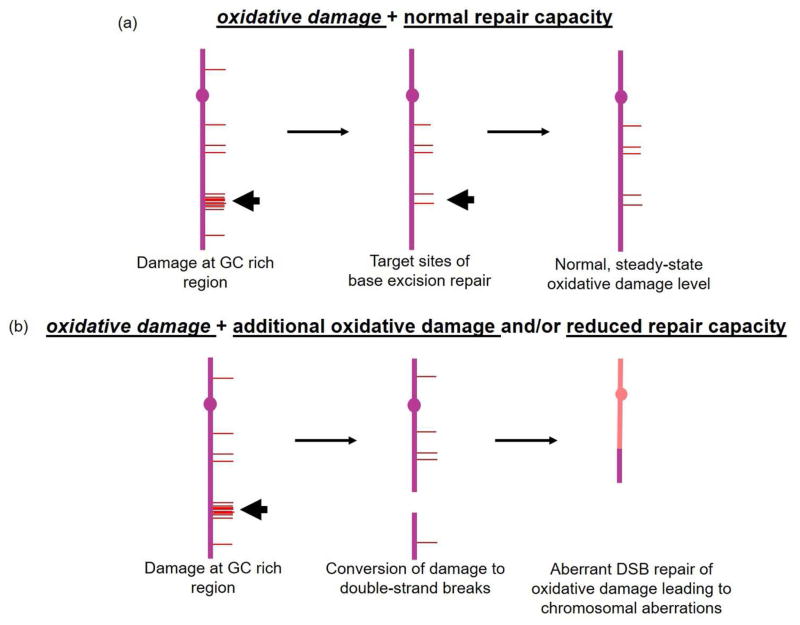
The DNA is cells is continuously exposed to reactive oxygen species resulting in toxic and mutagenic DNA damage. Although the repair of oxidative DNA damage occurs primarily through the base excision repair (BER) pathway, the nucleotide excision repair (NER) pathway processes some of the same lesions. In addition, damage tolerance mechanisms, such as recombination and translesion synthesis, enable cells to tolerate oxidative DNA damage, especially when BER and NER capacities are exceeded. Thus, disruption of BER alone or disruption of BER and NER in Saccharomyces cerevisiae leads to increased mutations as well as large-scale genomic rearrangements. Previous studies demonstrated that a particular region of chromosome II is susceptible to chronic oxidative stress-induced chromosomal rearrangements, suggesting the existence of DNA damage and/or DNA repair hotspots. Here we investigated the relationship between oxidative damage and genomic instability utilizing chromatin immunoprecipitation combined with DNA microarray technology to profile DNA repair sites along yeast chromosomes under different oxidative stress conditions. We targeted the major yeast AP endonuclease Apn1 as a representative BER protein. Our results indicate that Apn1 target sequences are enriched for cytosine and guanine nucleotides. We predict that BER protects these sites in the genome because guanines and cytosines are thought to be especially susceptible to oxidative attack, thereby preventing large-scale genome destabilization from chronic accumulation of DNA damage. Information from our studies should provide insight into how regional deployment of oxidative DNA damage management systems along chromosomes protects against large-scale rearrangements. Copyright © 2017 John Wiley & Sons, Ltd.
Keywords: DNA damage; DNA repair.
Copyright © 2017 John Wiley & Sons, Ltd.
Conflict of interest statement
The authors declare that they have no competing interests.
Figures

References
-
- Ježek P, Hlavatá L. Mitochondria in homeostasis of reactive oxygen species in cell, tissues, and organism. 2005. The International Journal of Biochemistry & Cell Biology. 2005;37:2478–2503. - PubMed
-
- Affymetrix Chromatin Immunoprecipitation Assay Protocol. 2017 viewed 27 February 2017, < tools.thermofisher.com/content/sfs/manuals/chromatin_immun_ChIP.pdf>.
-
- Bedard K, Krause K-H. The NOX Family of ROS-Generating NADPH Oxidases: Physiology and Pathophysiology. Physiological Reviews. 2007;87:245–313. - PubMed
-
- Bjelland S, Seeberg E. Mutagenicity, toxicity and repair of DNA base damage induced by oxidation. Mutation Research/Fundamental and Molecular Mechanisms of Mutagenesis. 2003;531:37–80. - PubMed
MeSH terms
Substances
Grants and funding
LinkOut - more resources
Full Text Sources
Other Literature Sources
Molecular Biology Databases