


Collaborative update of a rule-based expert system for HIV-1 genotypic resistance test interpretation
- PMID: 28753637
- PMCID: PMC5533429
- DOI: 10.1371/journal.pone.0181357
Collaborative update of a rule-based expert system for HIV-1 genotypic resistance test interpretation
Abstract
Introduction: HIV-1 genotypic resistance test (GRT) interpretation systems (IS) require updates as new studies on HIV-1 drug resistance are published and as treatment guidelines evolve.
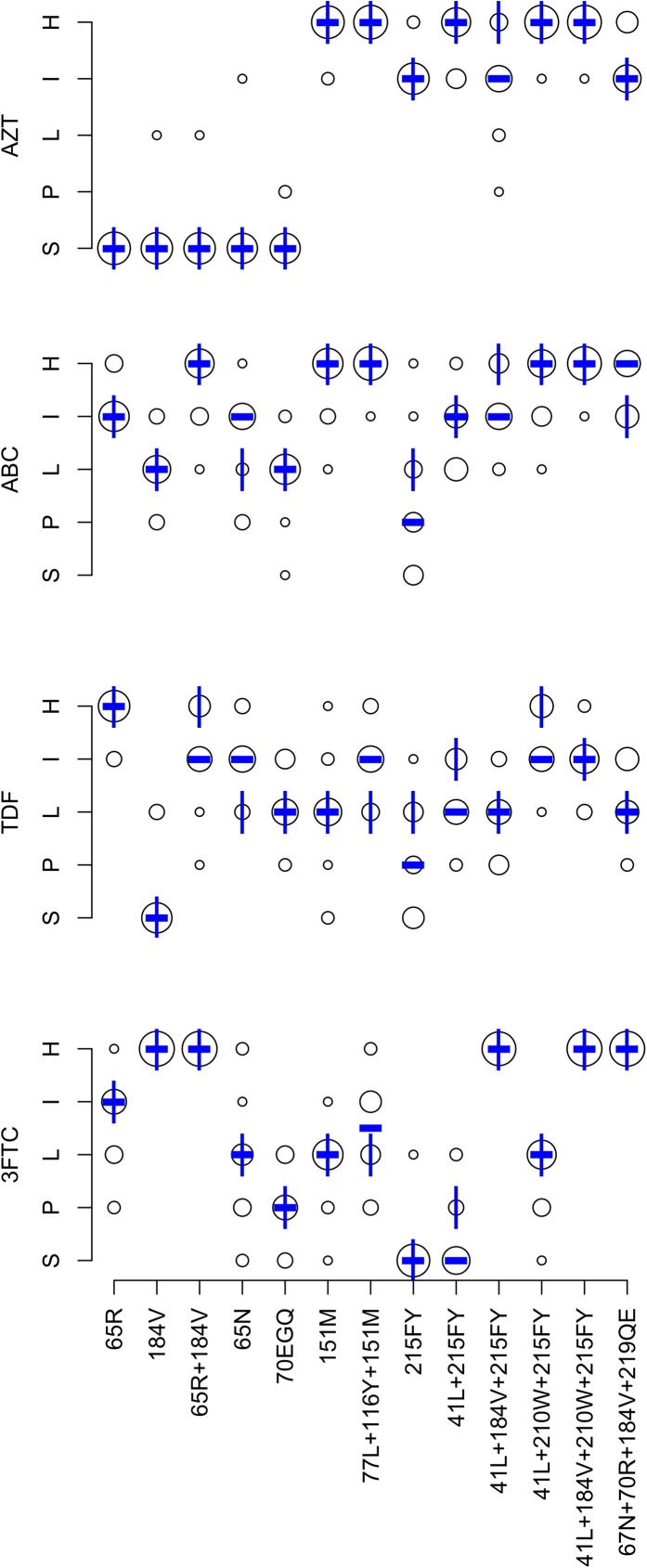
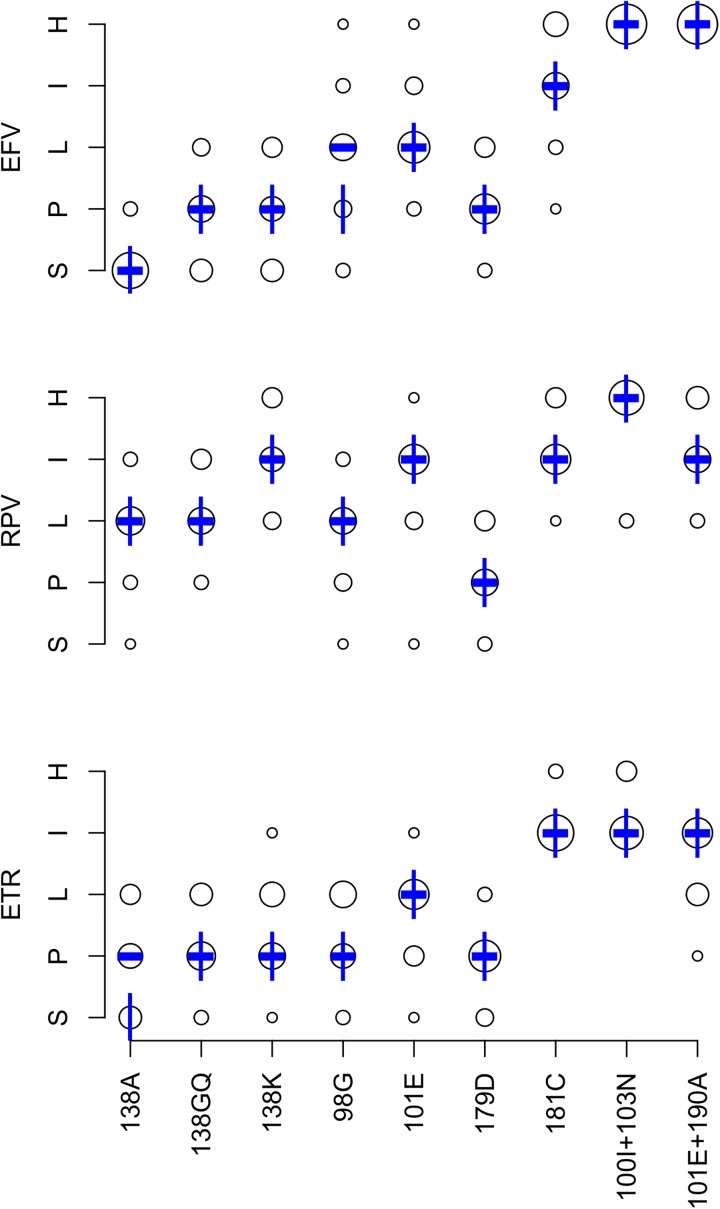
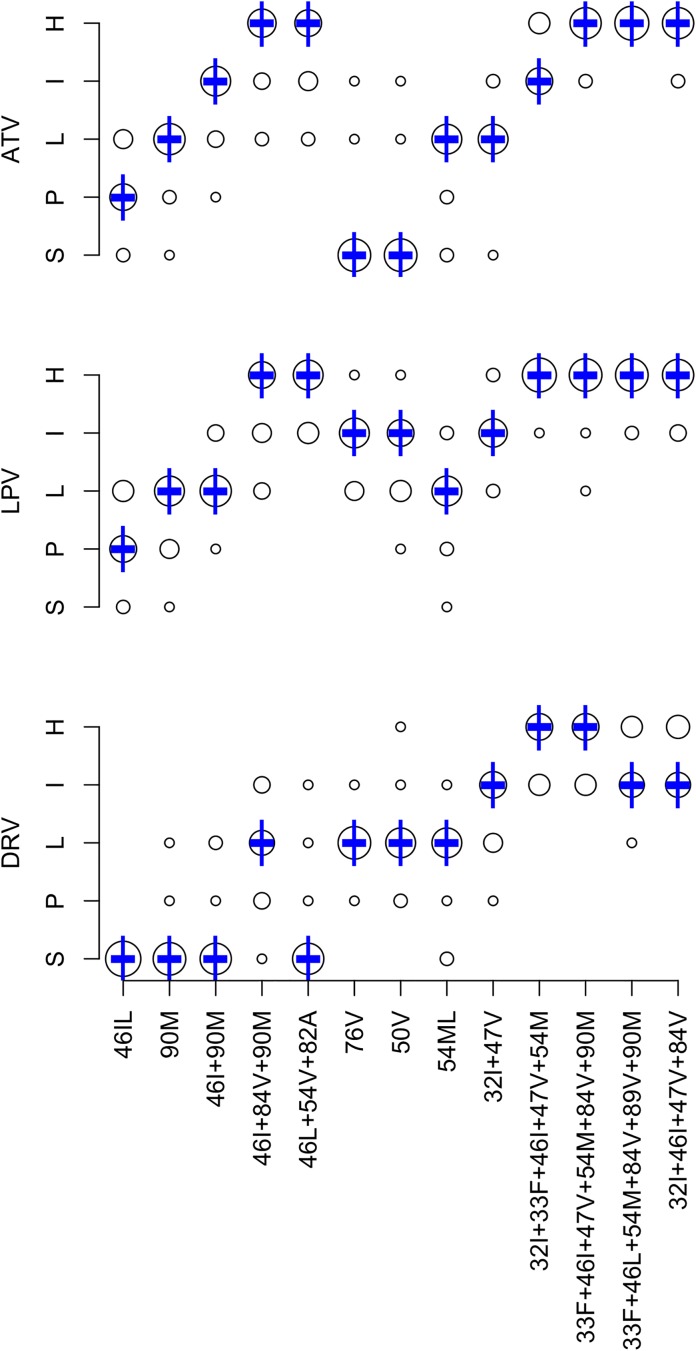
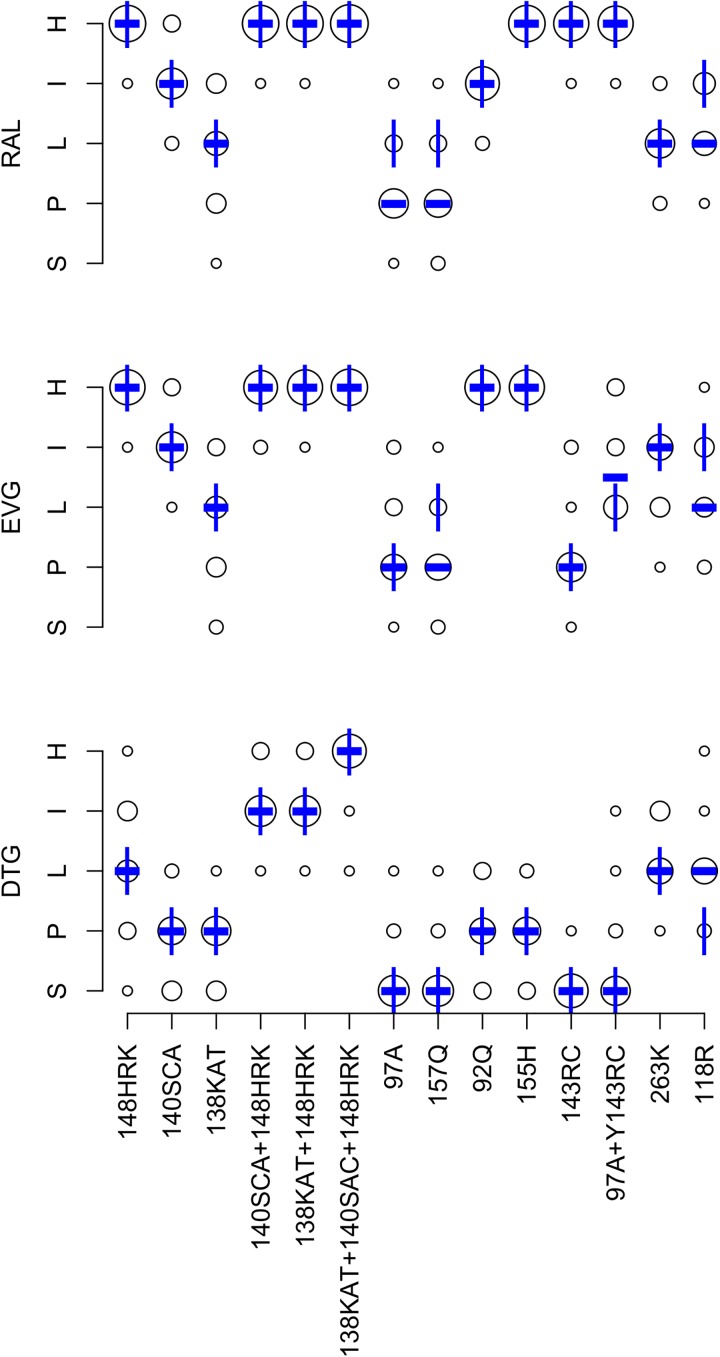
Methods: An expert panel was created to provide recommendations for the update of the Stanford HIV Drug Resistance Database (HIVDB) GRT-IS. The panel was polled on the ARVs to be included in a GRT report, and the drug-resistance interpretations associated with 160 drug-resistance mutation (DRM) pattern-ARV combinations. The DRM pattern-ARV combinations included 52 nucleoside RT inhibitor (NRTI) DRM pattern-ARV combinations (13 patterns x 4 NRTIs), 27 nonnucleoside RT inhibitor (NNRTI) DRM pattern-ARV combinations (9 patterns x 3 NNRTIs), 39 protease inhibitor (PI) DRM pattern-ARV combinations (13 patterns x 3 PIs) and 42 integrase strand transfer inhibitor (INSTI) DRM pattern-ARV combinations (14 patterns x 3 INSTIs).
Results: There was universal agreement that a GRT report should include the NRTIs lamivudine, abacavir, zidovudine, emtricitabine, and tenofovir disoproxil fumarate; the NNRTIs efavirenz, etravirine, nevirapine, and rilpivirine; the PIs atazanavir/r, darunavir/r, and lopinavir/r (with "/r" indicating pharmacological boosting with ritonavir or cobicistat); and the INSTIs dolutegravir, elvitegravir, and raltegravir. There was a range of opinion as to whether the NRTIs stavudine and didanosine and the PIs nelfinavir, indinavir/r, saquinavir/r, fosamprenavir/r, and tipranavir/r should be included. The expert panel members provided highly concordant DRM pattern-ARV interpretations with only 6% of NRTI, 6% of NNRTI, 5% of PI, and 3% of INSTI individual expert interpretations differing from the expert panel median by more than one resistance level. The expert panel median differed from the HIVDB 7.0 GRT-IS for 20 (12.5%) of the 160 DRM pattern-ARV combinations including 12 NRTI, two NNRTI, and six INSTI pattern-ARV combinations. Eighteen of these differences were updated in HIVDB 8.1 GRT-IS to reflect the expert panel median. Additionally, HIVDB users are now provided with the option to exclude those ARVs not considered to be universally required.
Conclusions: The HIVDB GRT-IS was updated through a collaborative process to reflect changes in HIV drug resistance knowledge, treatment guidelines, and expert opinion. Such a process broadens consensus among experts and identifies areas requiring further study.
Conflict of interest statement
Figures
References
-
- Vandamme AM, Camacho RJ, Ceccherini-Silberstein F, de Luca A, Palmisano L, Paraskevis D, et al. European recommendations for the clinical use of HIV drug resistance testing: 2011 update. AIDS reviews. 2011;13(2):77–108. . - PubMed
-
- Liu TF, Shafer RW. Web resources for HIV type 1 genotypic-resistance test interpretation. Clinical infectious diseases: an official publication of the Infectious Diseases Society of America. 2006;42(11):1608–18. doi: 10.1086/503914 ; PubMed Central PMCID: PMCPMC2547473. - DOI - PMC - PubMed
-
- Tang MW, Liu TF, Shafer RW. The HIVdb system for HIV-1 genotypic resistance interpretation. Intervirology. 2012;55(2):98–101. doi: 10.1159/000331998 . - DOI - PMC - PubMed
-
- Monogram Biosciences. PhenoSense HIV Drug Resistance Assay Report Template (last accessed May 18, 2017). https://wwwmonogrambiocom/sites/monogrambio/files/imce/uploads/PS_report.... 2017.
MeSH terms
Substances
Grants and funding
LinkOut - more resources
Full Text Sources
Other Literature Sources
Medical
Research Materials
Miscellaneous
