


Does air pollution play a role in infertility?: a systematic review
- PMID: 28754128
- PMCID: PMC5534122
- DOI: 10.1186/s12940-017-0291-8
Does air pollution play a role in infertility?: a systematic review
Abstract
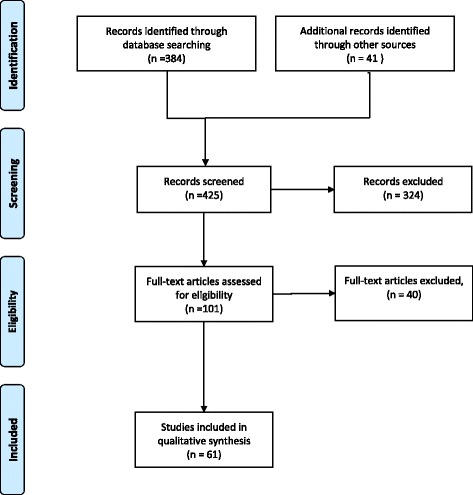
Background: Air pollution is involved in many pathologies. These pollutants act through several mechanisms that can affect numerous physiological functions, including reproduction: as endocrine disruptors or reactive oxygen species inducers, and through the formation of DNA adducts and/or epigenetic modifications. We conducted a systematic review of the published literature on the impact of air pollution on reproductive function. Eligible studies were selected from an electronic literature search from the PUBMED database from January 2000 to February 2016 and associated references in published studies. Search terms included (1) ovary or follicle or oocyte or testis or testicular or sperm or spermatozoa or fertility or infertility and (2) air quality or O3 or NO2 or PM2.5 or diesel or SO2 or traffic or PM10 or air pollution or air pollutants. The literature search was conducted in accordance with the Preferred Reporting Items for Systematic Reviews and Meta-Analyses (PRISMA) guidelines. We have included the human and animal studies corresponding to the search terms and published in English. We have excluded articles whose results did not concern fertility or gamete function and those focused on cancer or allergy. We have also excluded genetic, auto-immune or iatrogenic causes of reduced reproduction function from our analysis. Finally, we have excluded animal data that does not concern mammals and studies based on results from in vitro culture. Data have been grouped according to the studied pollutants in order to synthetize their impact on fertility and the molecular pathways involved.
Conclusion: Both animal and human epidemiological studies support the idea that air pollutants cause defects during gametogenesis leading to a drop in reproductive capacities in exposed populations. Air quality has an impact on overall health as well as on the reproductive function, so increased awareness of environmental protection issues is needed among the general public and the authorities.
Keywords: Air quality; Fertility; Infertility; Pollutants; Reproduction.
Conflict of interest statement
Ethics approval and consent to participate
Not applicable (review of published papers).
Consent for publication
Not applicable (review of published papers).
Competing interests
The authors declare that they have no competing interests.
Publisher’s Note
Springer Nature remains neutral with regard to jurisdictional claims in published maps and institutional affiliations.
Figures
References
-
- Air quality in Europe - 2014 report [http://www.eea.europa.eu/publications/air-quality-in-europe-2014].
-
- Cosselman KE, Navas-Acien A, Kaufman JD. Environmental factors in cardiovascular disease. Nat Rev Cardiol. 2015; doi:10.1038/nrcardio.2015.152. - PubMed
-
- Karakis I, Kordysh E, Lahav T, Bolotin A, Glazer Y, Vardi H, Belmaker I, Sarov B. Life prevalence of upper respiratory tract diseases and asthma among children residing in rural area near a regional industrial park: cross-sectional study. Rural Remote Health. 2009;1092 - PubMed
Publication types
MeSH terms
Substances
LinkOut - more resources
Full Text Sources
Other Literature Sources
Medical
