


Challenges in Additive Manufacturing of Space Parts: Powder Feedstock Cross-Contamination and Its Impact on End Products
- PMID: 28772882
- PMCID: PMC5459071
- DOI: 10.3390/ma10050522
Challenges in Additive Manufacturing of Space Parts: Powder Feedstock Cross-Contamination and Its Impact on End Products
Abstract
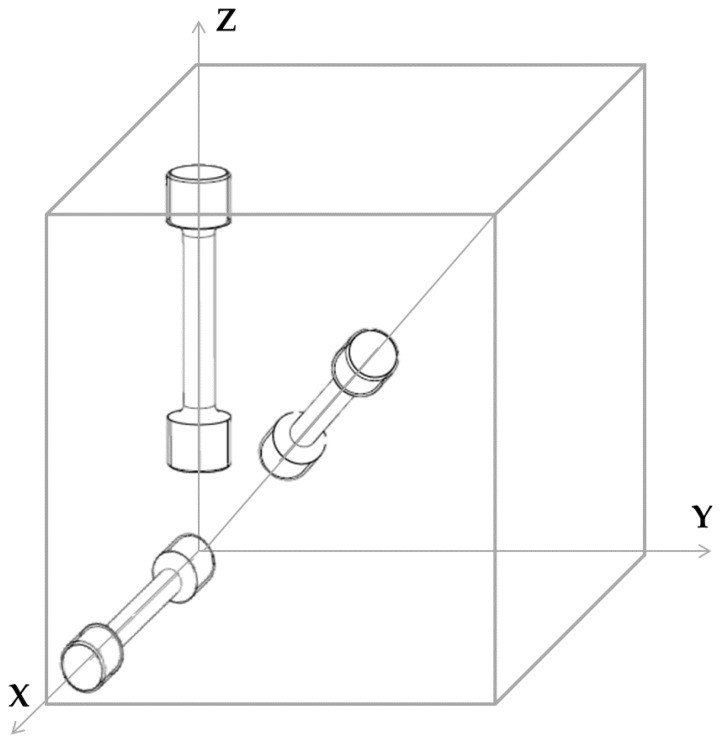
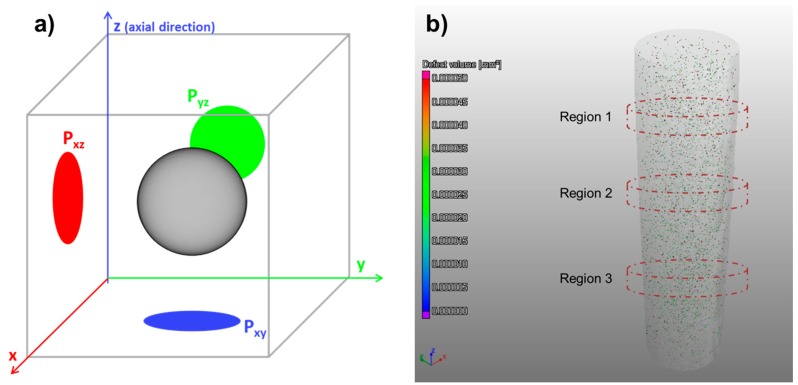
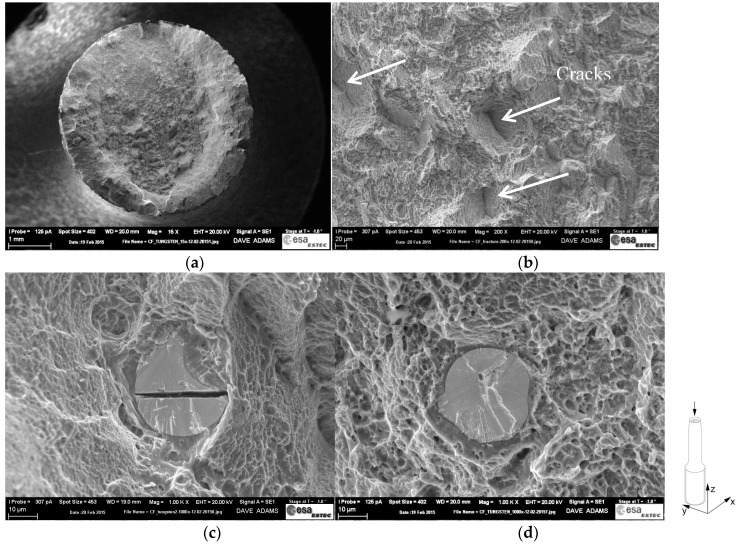
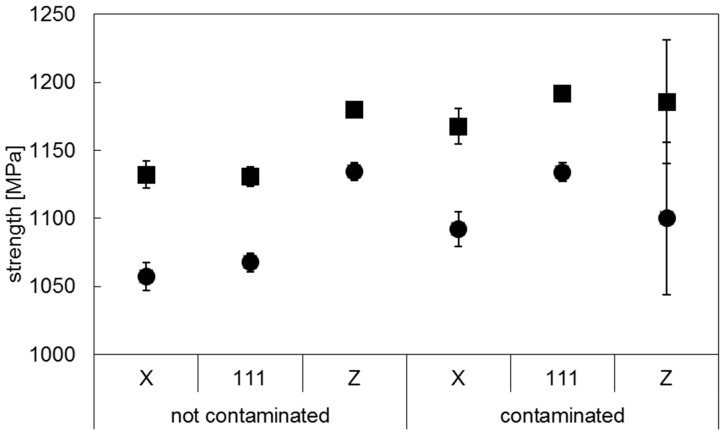
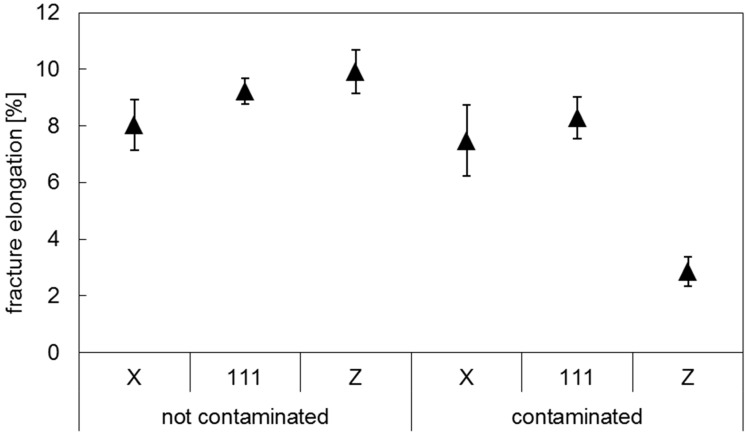
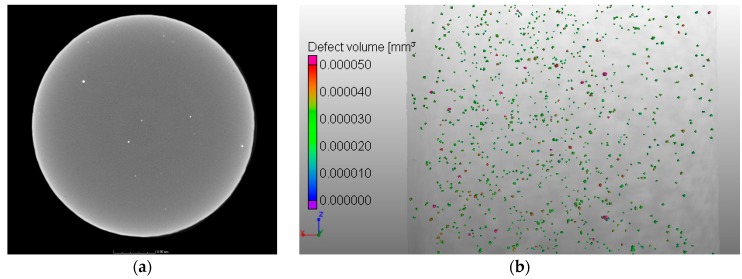
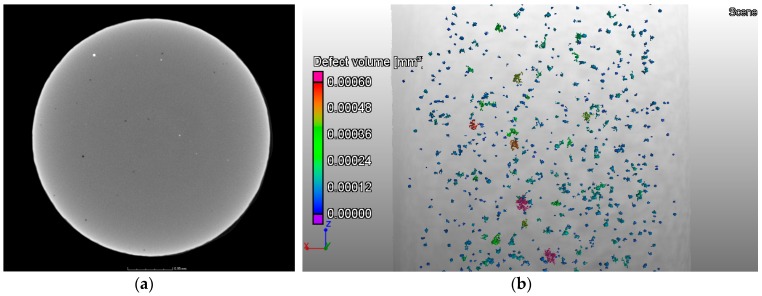
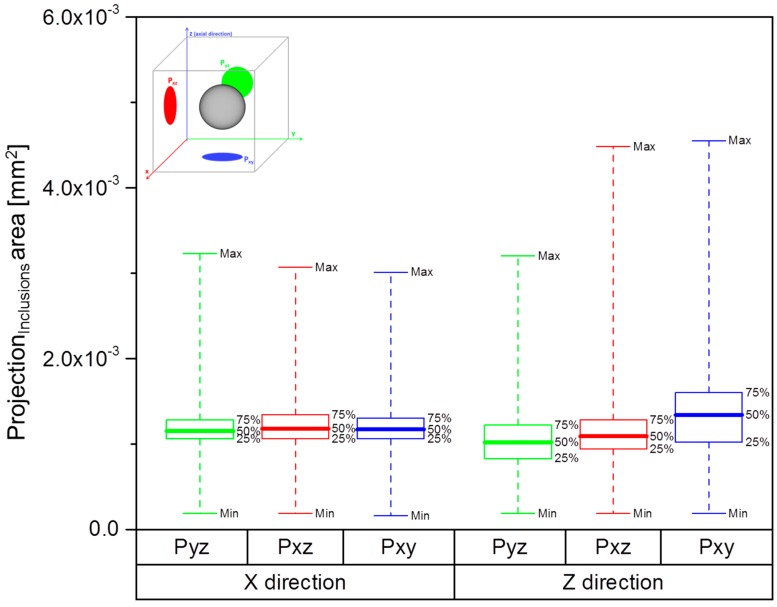
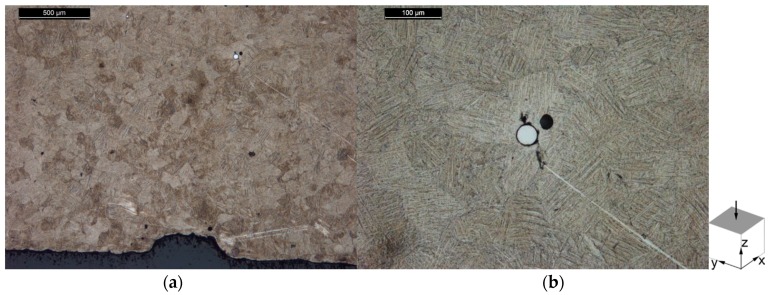
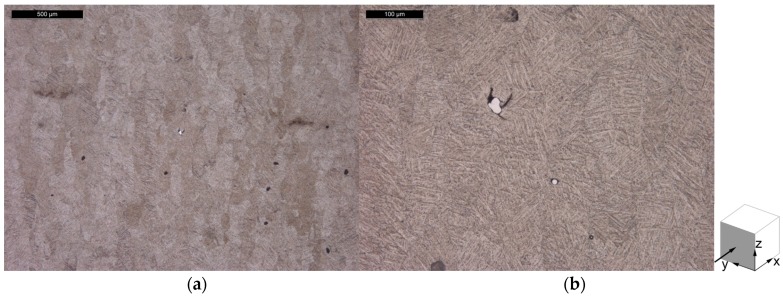
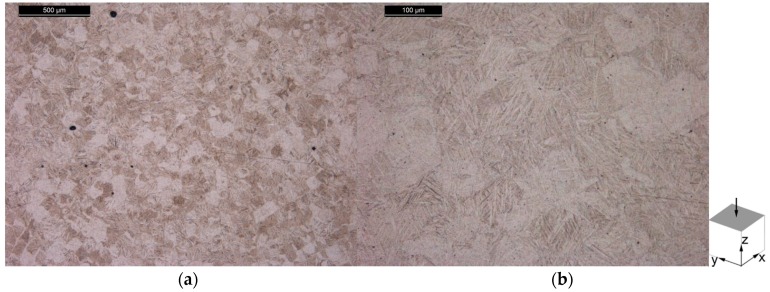
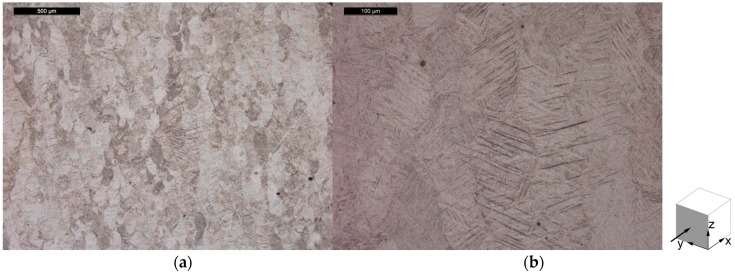
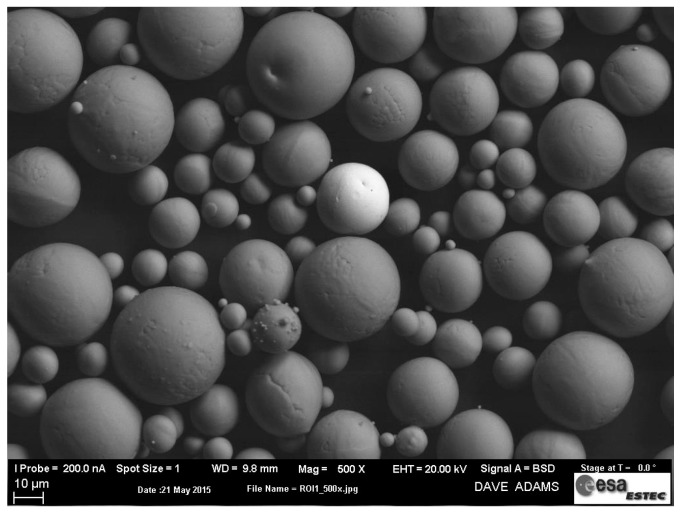
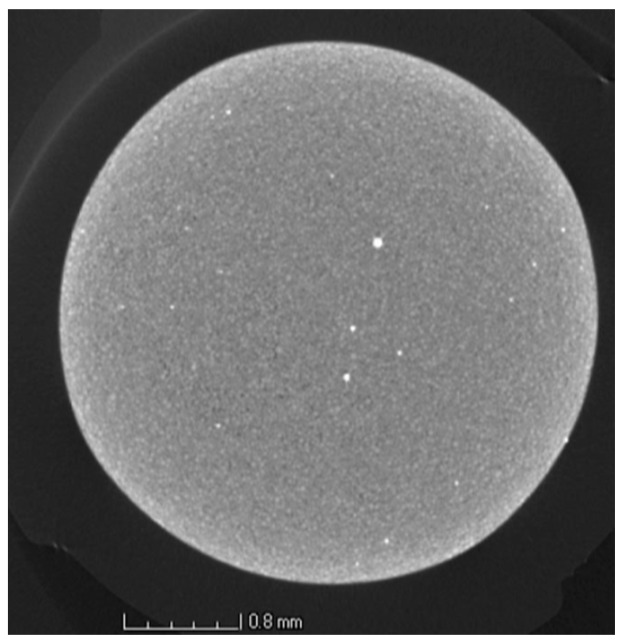
This work studies the tensile properties of Ti-6Al-4V samples produced by laser powder bed based Additive Manufacturing (AM), for different build orientations. The results showed high scattering of the yield and tensile strength and low fracture elongation. The subsequent fractographic investigation revealed the presence of tungsten particles on the fracture surface. Hence, its detection and impact on tensile properties of AM Ti-6Al-4V were investigated. X-ray Computed Tomography (X-ray CT) scanning indicated that these inclusions were evenly distributed throughout the samples, however the inclusions area was shown to be larger in the load-bearing plane for the vertical specimens. A microstructural study proved that the mostly spherical tungsten particles were embedded in the fully martensitic Ti-6Al-4V AM material. The particle size distribution, the flowability and the morphology of the powder feedstock were investigated and appeared to be in line with observations from other studies. X-ray CT scanning of the powder however made the high density particles visible, where various techniques, commonly used in the certification of powder feedstock, failed to detect the contaminant. As the detection of cross contamination in the powder feedstock proves to be challenging, the use of only one type of powder per AM equipment is recommended for critical applications such as Space parts.
Keywords: Additive Manufacturing; Ti-6Al-4V; cross contamination; microstructure; space applications; tensile properties.
Conflict of interest statement
The authors declare no conflict of interest.
Figures
References
-
- Wang F., Williams S., Colegrove P., Antonysamy A.A. Microstructure and Mechanical Properties of Wire and Arc Additive Manufactured Ti-6Al-4V. Metall. Mater. Trans. A. 2013;44:968–977. doi: 10.1007/s11661-012-1444-6. - DOI
-
- ISO/ASTM52900-15, Standard Terminology for Additive Manufacturing–General Principles–Terminology. ASTM International; West Conshohocken, PA, USA: 2015.
-
- Ghidini T., Pambaguian L., Blair S. Joining the Third Industrial Revolution: 3D Printing for Space. Volume 163. European Space Agency; Noordwijk, The Netherlands: 2015. pp. 24–33. European Space Agency Bulletin.
-
- Lopatriello M., Gasbarri P., Paris C., Brotzu A., Paiano S. Thermo-mechanical characterization of a carbon micro-fibre reinforced polymer for additive manufacturing in space applications; Proceedings of the 66th International Astronautical Congress 2015: Space—The Gateway for Mankind’s Future (IAC); New York, NY, USA. 12–16 October 2015; pp. 6758–6766.
-
- Greitemeier D., Palma F., Syassen F., Melz T. Fatigue performance of additive manufactured TiAl6V4 using electron and laser beam melting. Int. J. Fatigue. 2017;44:211–217. doi: 10.1016/j.ijfatigue.2016.05.001. - DOI
LinkOut - more resources
Full Text Sources
Other Literature Sources
Research Materials
