


Prognostic significance of peritoneal lavage cytology in staging gastric cancer: systematic review and meta-analysis
- PMID: 28779261
- PMCID: PMC5741790
- DOI: 10.1007/s10120-017-0749-y
Prognostic significance of peritoneal lavage cytology in staging gastric cancer: systematic review and meta-analysis
Abstract
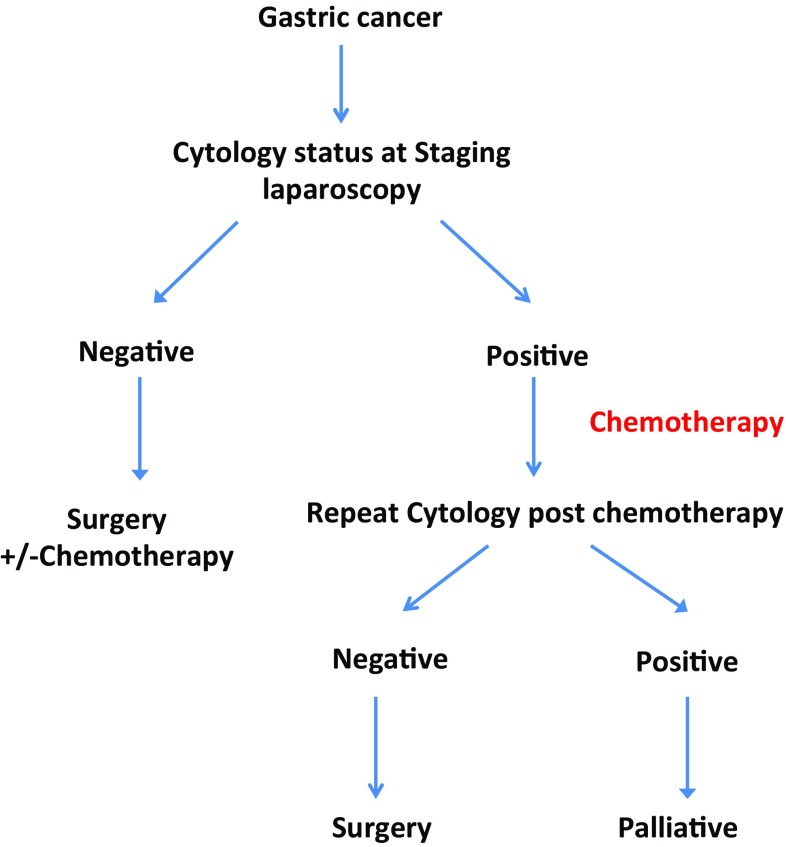
Background: Peritoneal cytology has been used as a part of the cancer staging of gastric cancer patients. The primary aim of this systematic review was to evaluate the value of peritoneal cytology as part of the staging of gastric cancer and survival prediction. The second aim was to establish if positive cytology may be modified by neoadjuvant therapy, to improve prognosis.
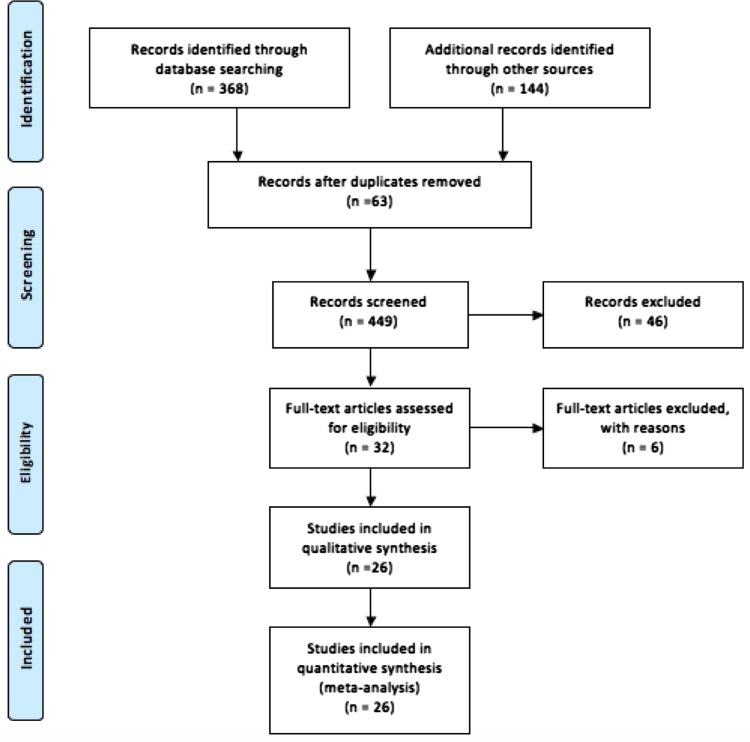
Methods: An electronic literature search was performed using Embase, Medline, Web of Science, and Cochrane library databases up to January 2016. The logarithm of the hazard ratio (HR) with 95% confidence intervals (CI) was used as the primary summary statistic. Comparative studies were used, and the outcome measure was survival in three groups: (1) positive versus negative cytology at staging laparoscopy immediately preceding surgery; (2) effect of neoadjuvant therapy on cytology and survival; and (3) positive cytology in the absence of macroscopic peritoneal disease was compared with obvious macroscopic peritoneal disease.
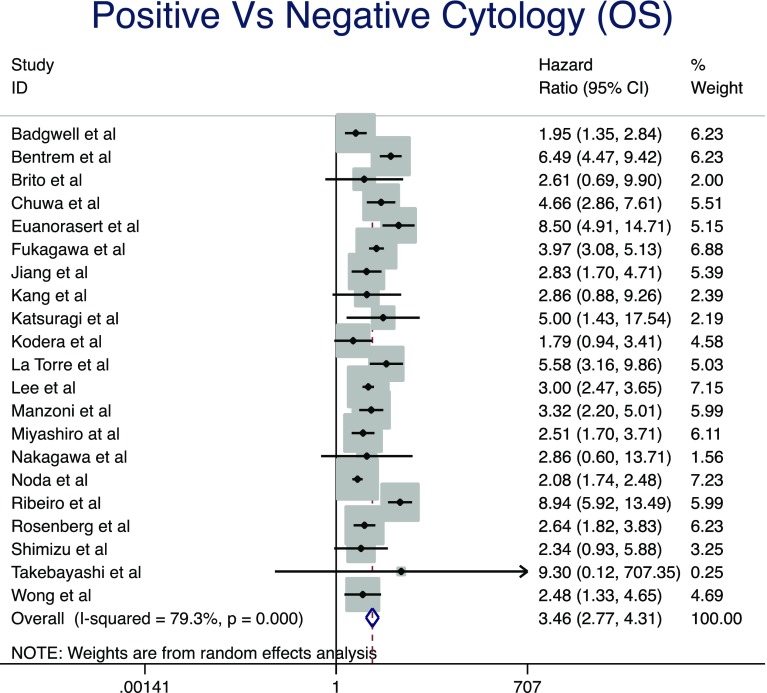
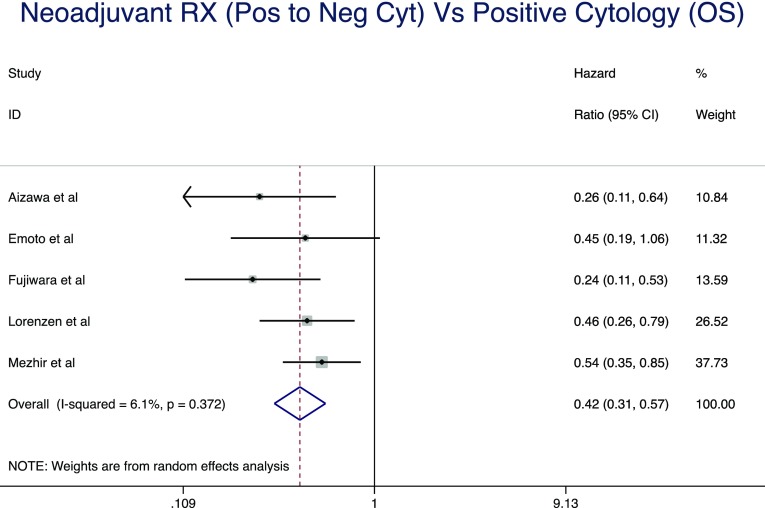
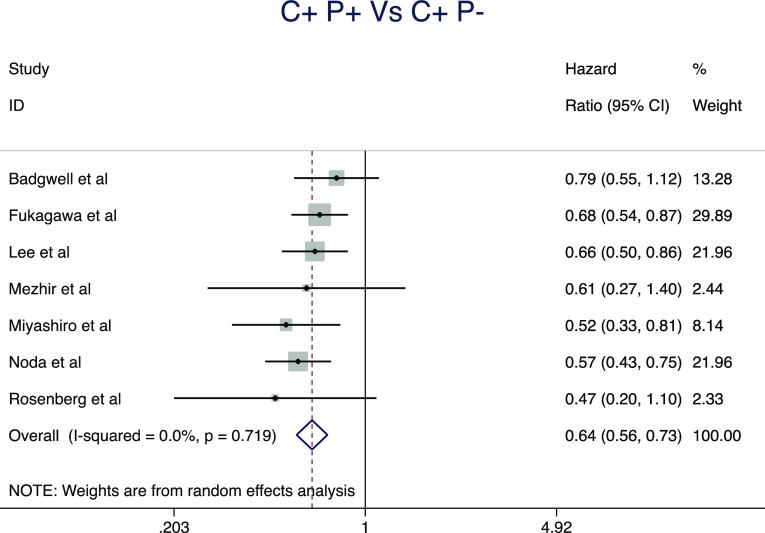
Results: Pooled analysis demonstrated that positive cytology was associated with significantly reduced overall survival (HR, 3.46; 95% CI, 2.77-4.31; P < 0.0001). Interestingly, negative cytology following neoadjuvant chemotherapy was associated with significantly improved overall survival (HR, 0.42; 95% CI, 0.31-0.57; P < 0.0001). The absence of macroscopic peritoneal disease with positive cytology was associated with significantly improved overall survival (HR, 0.64; 95% CI, 0.56-0.73; P < 0.0001).
Conclusion: This study suggests that patients with initial positive cytology may have a good prognosis following neoadjuvant treatment if the cytology results change to negative after treatment.
Keywords: Cancer prognosis; Cancer staging; Gastric cancer, stomach neoplasm; Laparoscopy; Peritoneal cytology.
Conflict of interest statement
Conflict of interest
No funding sources were used in the preparation of this manuscript, and the authors have no conflicts of interest to declare.
Ethical approval
No ethical approval or informed consent statement was required for this review article.
Sources of funding
Sheraz R. Markar is supported by the National Institute for Health Research (NIHR). The views expressed are those of the authors and not necessarily those of the NHS, the NIHR, or the Department of Health.
Figures
References
Publication types
MeSH terms
LinkOut - more resources
Full Text Sources
Other Literature Sources
Medical
