. 2016 Jan 1;7(1):370-375.
doi: 10.1039/c5sc03297k. Epub 2015 Oct 7.

π-extended anthracenes as sensitive probes for mechanical stress

Affiliations

π-extended anthracenes as sensitive probes for mechanical stress

R Göstl et al. Chem Sci. .

Abstract

Smart molecular systems having the ability to report on mechanical strain or failure in polymers via alteration of their optical properties are of great interest in materials science. However, only limited attention has been devoted to targeted chromophore engineering to fine-tune their physicochemical properties. Here, we describe the synthesis of π-extended anthracenes that can be released from their respective maleimide Diels-Alder adducts through the application of mechanical stress in solution and in the solid state. We demonstrate the improvement of fluorescence quantum yield as well as the tuning of excitation and emission wavelengths while retaining their excellent mechanochemical properties laying the foundation for a new series of mechanophores whose spectral characteristics can be modularly adjusted.


Figures
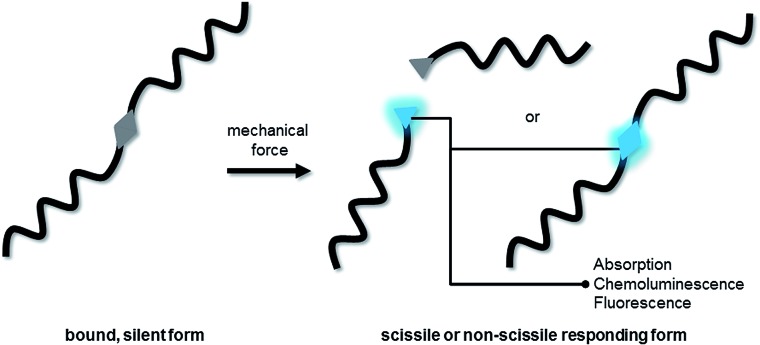
Fig. 1
Fig. 1. Schematic depiction of a scissile or non-scissile moiety incorporated into a polymer altering its optical properties upon the application of mechanical force.
Chart 1
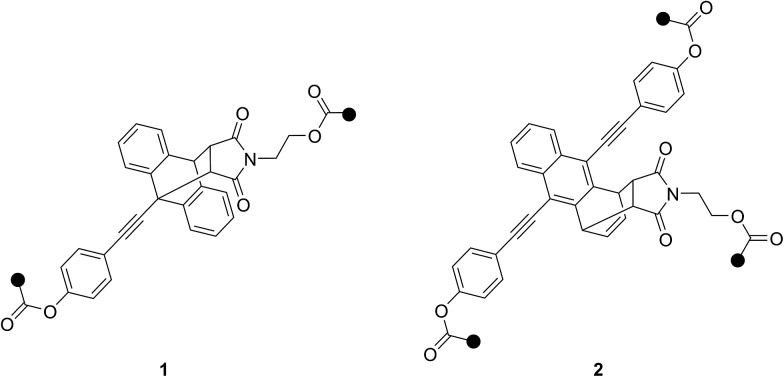
Chart 1. Diels–Alder adduct motifs 1 and 2 of π-extended anthracenes studied as mechanophores.
Scheme 1
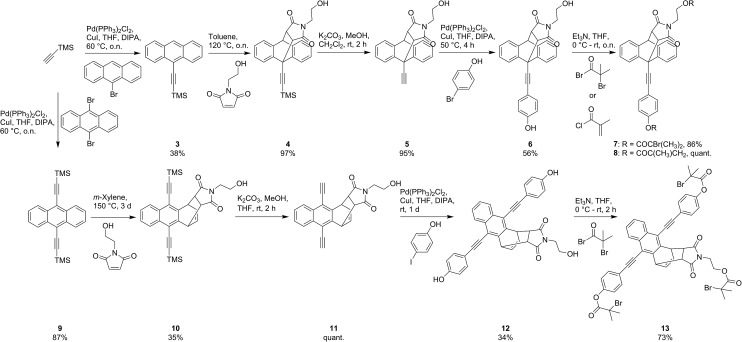
Scheme 1. Synthesis of initiator or crosslinker DA adducts 7, 8 and 13.
Chart 2
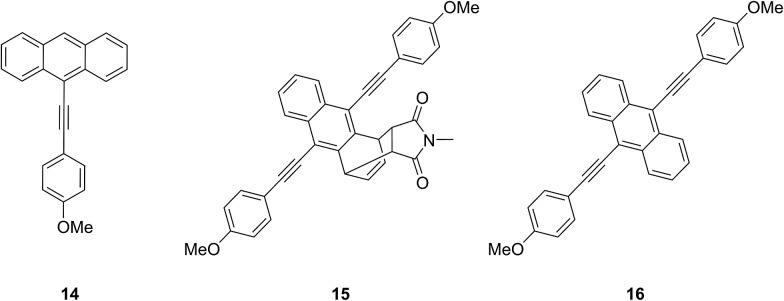
Chart 2. Reference compounds 14–16.
Scheme 2
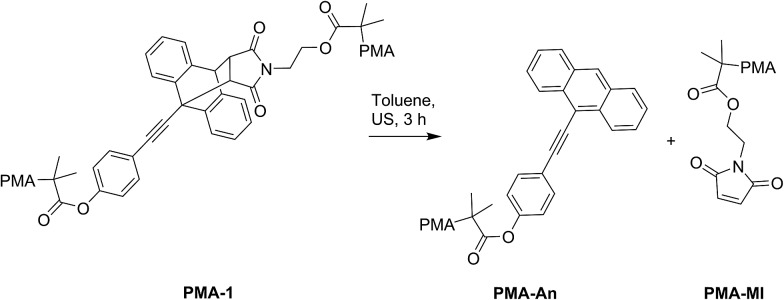
Scheme 2. Scission of PMA-1 applying ultrasound (US).
Fig. 2
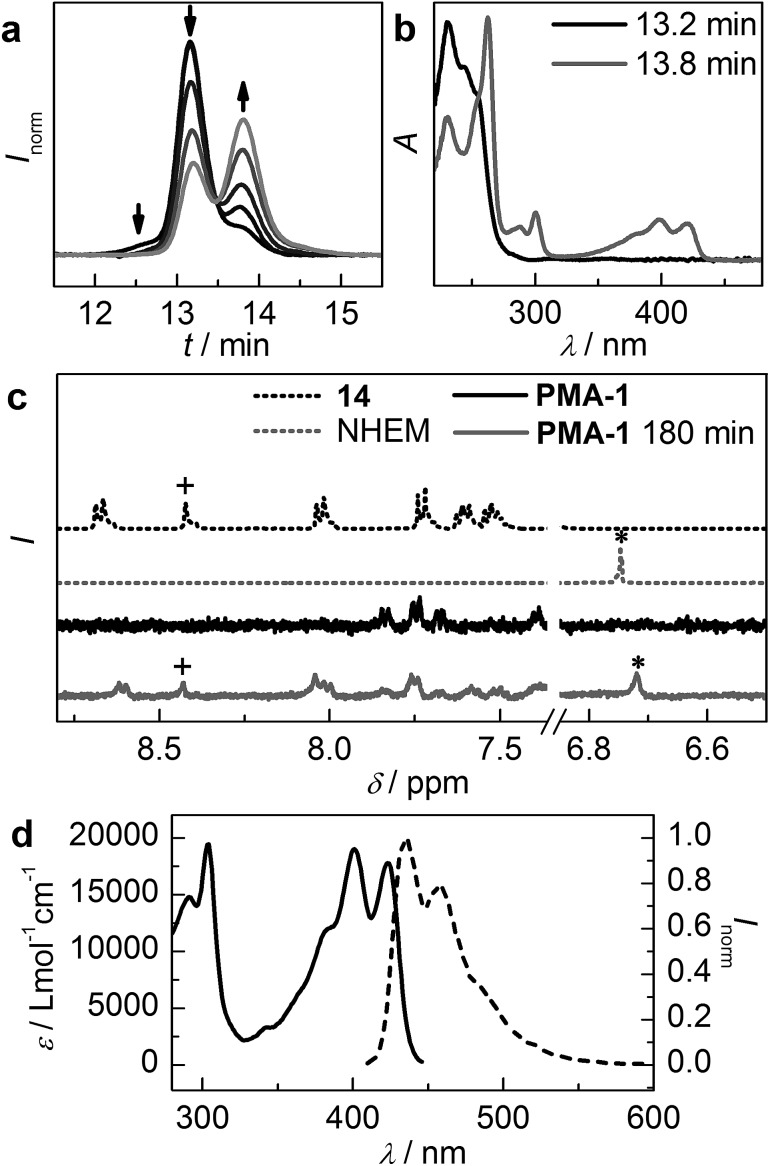
Fig. 2. Sonochemical scission of PMA-1 monitored via (a) the RI-trace of GPC chromatograms at different times of irradiation with ultrasound, (b) the UV/vis spectra of the initial high molecular weight peak and the newly formed low molecular weight peak after 180 min of irradiation with ultrasound as extracted from the PDA detector of the GPC and (c) sections of the 1H-NMR spectra of reference compound 14, NHEM, untreated PMA-1 and PMA-1 after 180 min of sonication (+anthracene's 10-proton, *vinylic maleimide proton). (d) UV/vis absorption and normalized fluorescence spectrum of reference compound 14 (λ exc = 372 nm).
Fig. 3
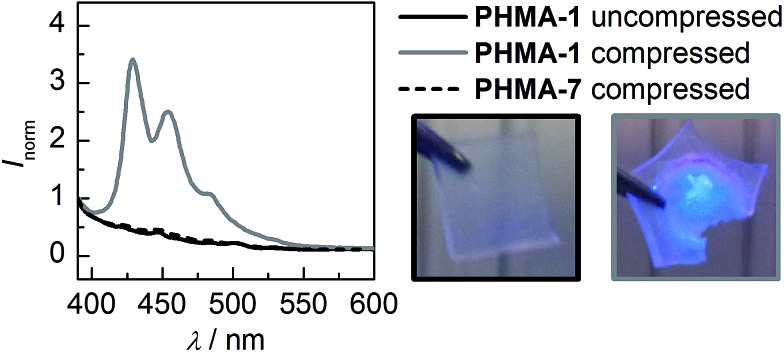
Fig. 3. Normalized solid state fluorescence spectra of uncompressed and compressed 6 × 6 × 0.5 mm PHMA-1 as well as compressed reference PHMA-7 samples (λ exc = 372 nm). The boxes show corresponding pictures of the samples while irradiated with a UV hand lamp (λ exc = 365 nm).
Fig. 4
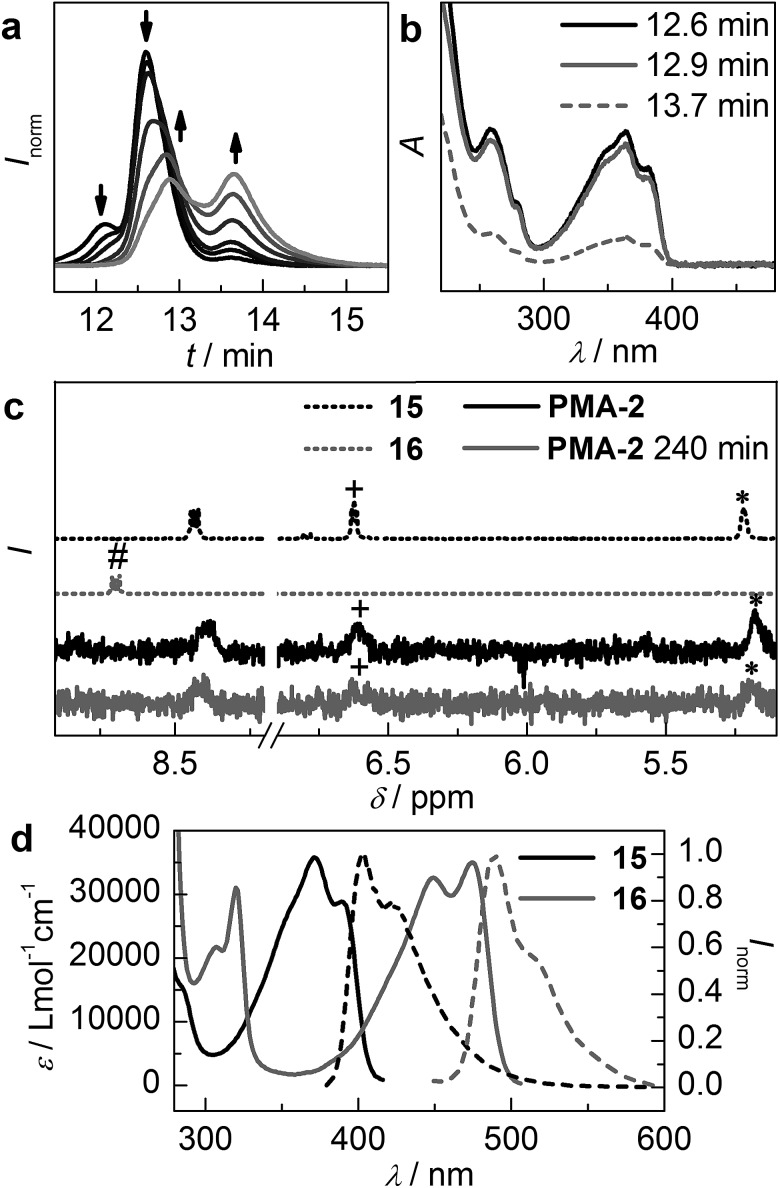
Fig. 4. Sonochemical scission of PMA-2 monitored via (a) the RI-trace of GPC chromatograms at different times of irradiation with ultrasound, (b) the UV/vis spectra of the initial high molecular weight peak and the newly formed low molecular weight peaks after 240 min of irradiation with ultrasound as extracted from the PDA detector of the GPC and (c) sections of the 1H-NMR spectra of reference compounds 15, 16, untreated PMA-2 and PMA-2 after 240 min of sonication (#anthracene's 1-, 4-, 5- and 8-protons, +DA adduct's vinylic proton and *DA adduct's allylic proton). (d) UV/vis absorption and normalized fluorescence spectra of reference compounds 15 and 16 (λ exc = 372 nm).

References

    1. Li J., Nagamani C., Moore J. S. Acc. Chem. Res. 2015;48:2181–2190. - PubMed
    1. Groote R., Jakobs R. T. M., Sijbesma R. P. Polym. Chem. 2013;4:4846–4859.
    1. Brantley J. N., Wiggins K. M., Bielawski C. W. Polym. Int. 2013;62:2–12.
    1. Kean Z. S., Craig S. L. Polymer. 2012;53:1035–1048.
    1. Caruso M. M., Davis D. A., Shen Q., Odom S. A., Sottos N. R., White S. R., Moore J. S. Chem. Rev. 2009;109:5755–5798. - PubMed