


Effectiveness of a multimodal pain management concept for patients with cervical radiculopathy with focus on cervical epidural injections
- PMID: 28801567
- PMCID: PMC5554143
- DOI: 10.1038/s41598-017-08350-x
Effectiveness of a multimodal pain management concept for patients with cervical radiculopathy with focus on cervical epidural injections
Abstract
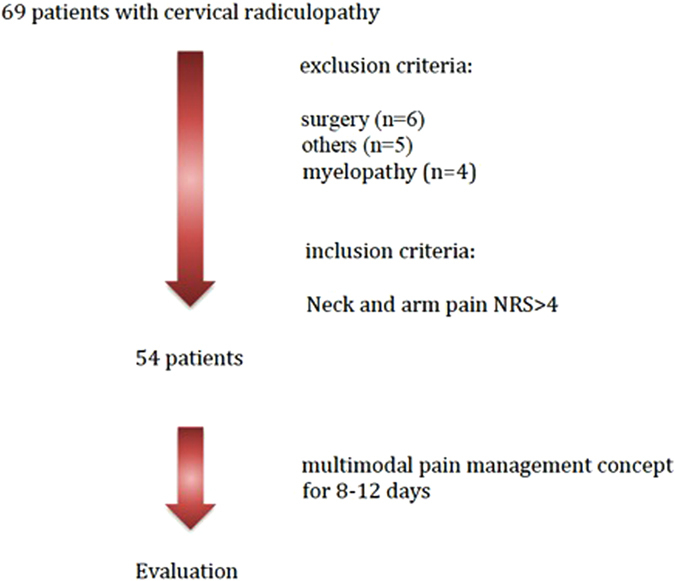
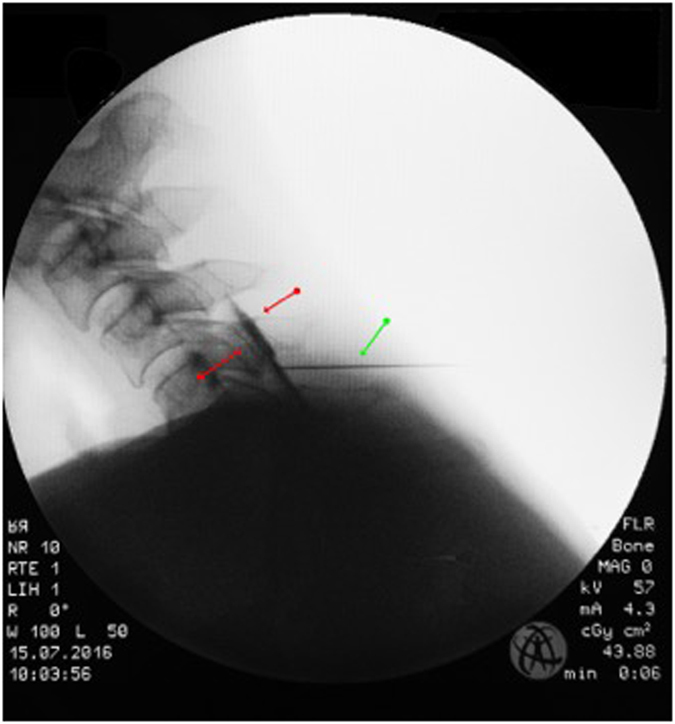
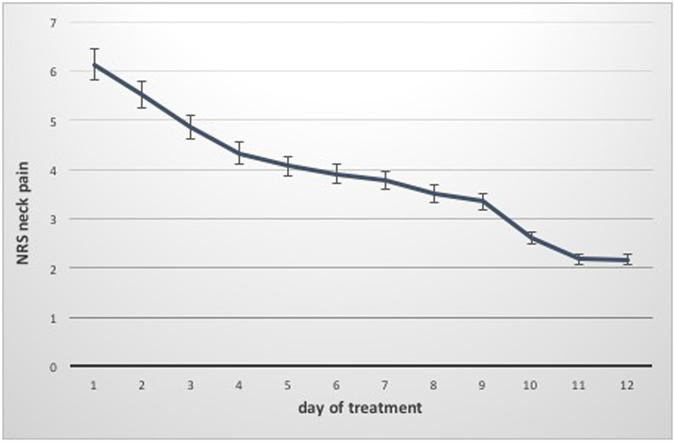
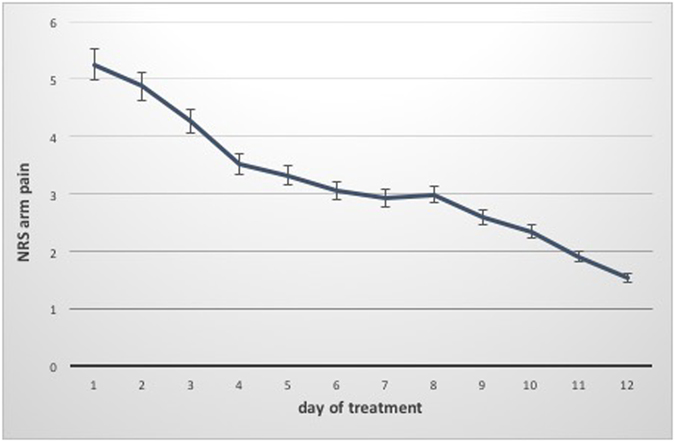
Cervical radiculopathy has become an increasing problem worldwide. Conservative treatment options have been recommended in many reviews on cervical radiculopathy, ranging from different types of physiotherapy to waiting for remission by natural history. No multimodal pain management concept (MPM) on an inpatient basis has been evaluated. This study aimed at showing the positive short-term effects of an inpatient multimodal pain management concept with focus on cervical translaminar epidural steroid injection for patients with cervical radiculopathy. 54 patients who had undergone inpatient MPM for 10 days were evaluated before and after 10-days treatment. The NRS (0-10) value for arm pain could be reduced from 6.0 (IQR 5.7-6.8) to 2.25 (IQR 2.0-3.1) and from 5.9 (IQR 4.8-6.0) to 2.0 (IQR 1.7-2.6) for neck pain. Neck pain was reduced by 57.4% and arm pain by 62.5%. 2 days after epidural steroid injection, pain was reduced by 40.1% in the neck and by 43.4% in the arms. MPM seems to be an efficient short-term approach to treating cervical radiculopathy. Cervical translaminar epidural steroid injection is an important part of this concept. In the absence of a clear indication for surgery, MPM represents a treatment option.
Conflict of interest statement
The authors declare that they have no competing interests.
Figures
References
-
- Manchikanti L, Nampiaparampil DE, Candido KD, Bakshi S, et al. Do cervical epidural injections provide long-term relief in neck and upper extremity pain? A systematic review. Pain Physician. 2015;18:39–60. - PubMed
-
- Manchikanti L, Abdi S, Atluri S, Benyamin RM, et al. An update of comprehensive evidence-based guidelines for interventional techniques in chronic spinal pain. Part II: guidance and recommendations. Pain Physician. 2013;16:S49–283. - PubMed
MeSH terms
Substances
LinkOut - more resources
Full Text Sources
Other Literature Sources
Medical
