


An Overview of Factors Associated with Adherence to Lifestyle Modification Programs for Weight Management in Adults
- PMID: 28813030
- PMCID: PMC5580624
- DOI: 10.3390/ijerph14080922
An Overview of Factors Associated with Adherence to Lifestyle Modification Programs for Weight Management in Adults
Abstract
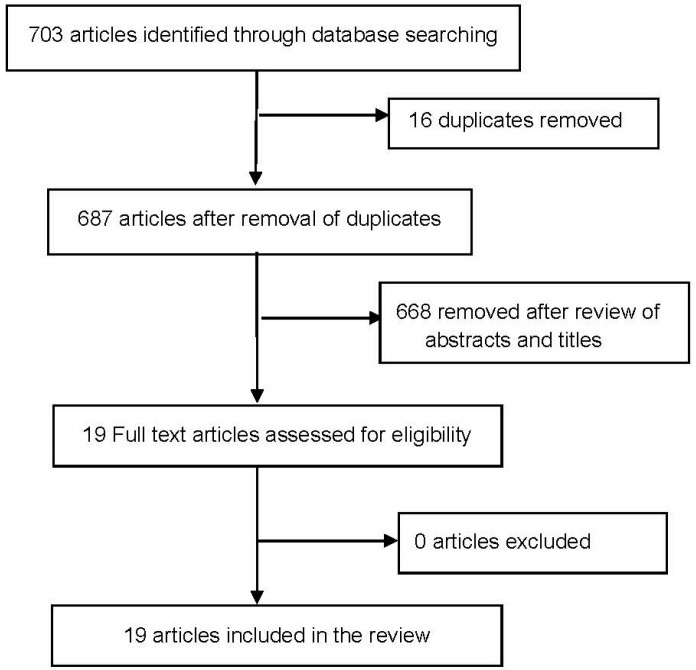
This review aims to provide an overview of the factors associated with adherence reported in existing literature on lifestyle modification programs for weight management among the adult population. An electronic search was performed using PubMed, Medline, PsycINFO and PsycARTICLE to identify studies that examined the factors of adherence to lifestyle modification programs with explicit definition of adherence indicators. We identified 19 studies published between 2004 and 2016. The most commonly used indicator of adherence was attrition, followed by attendance, self-monitoring and dietary adherence. A broad array of factors has been studied but only few studies exploring each factor. Limited evidence suggested older age, higher education, healthier eating and physical activity behaviours, higher stage of change at baseline and higher initial weight loss may predict better adherence. On the other hand, having depression, stress, strong body shape concern and full-time job may predict poor adherence. Inconsistent findings were obtained for self-efficacy, motivation, male gender and previous weight loss attempt. This review highlights the need for more rigorous studies to enhance our knowledge on factors related to adherence. Identification of the factors of adherence could provide important implication for program improvement, ultimately improving the effectiveness and the cost-effectiveness of lifestyle modification program.
Keywords: adherence; adults; factors; lifestyle modification; obesity; weight management.
Conflict of interest statement
The authors declare no conflict of interest.
References
-
- Media Center Obesity and Overweight. [(accessed on 16 January 2016)]; Available online: http://www.who.int/mediacentre/factsheets/fs311/en/
-
- Jensen M.D., Ryan D.H., Apovian C.M., Ard J.D., Comuzzie A.G., Donato K.A., Hu F.B., Hubbard V.S., Jakicic J.M., Kushner R.F., et al. 2013 AHA/ACC/TOS guideline for the management of overweight and obesity in adults: A report of the American College of Cardiology/American heart association task force on practice guidelines and the obesity society. J. Am. Coll. Cardiol. 2014;63:2985–3023. doi: 10.1016/j.jacc.2013.11.004. - DOI - PubMed
-
- Clinical Practice Guidelines for the Management of Overweight and Obesity in Adults, Adolescents and Children in Australia. [(accessed on 17 February 2015)]; Available online: https://www.nhmrc.gov.au/guidelines-publications/n57.
Publication types
MeSH terms
LinkOut - more resources
Full Text Sources
Other Literature Sources
Medical
