


Addressing the challenge of high-priced prescription drugs in the era of precision medicine: A systematic review of drug life cycles, therapeutic drug markets and regulatory frameworks
- PMID: 28813502
- PMCID: PMC5559086
- DOI: 10.1371/journal.pone.0182613
Addressing the challenge of high-priced prescription drugs in the era of precision medicine: A systematic review of drug life cycles, therapeutic drug markets and regulatory frameworks
Abstract
Context: Recent public outcry has highlighted the rising cost of prescription drugs worldwide, which in several disease areas outpaces other health care expenditures and results in a suboptimal global availability of essential medicines.
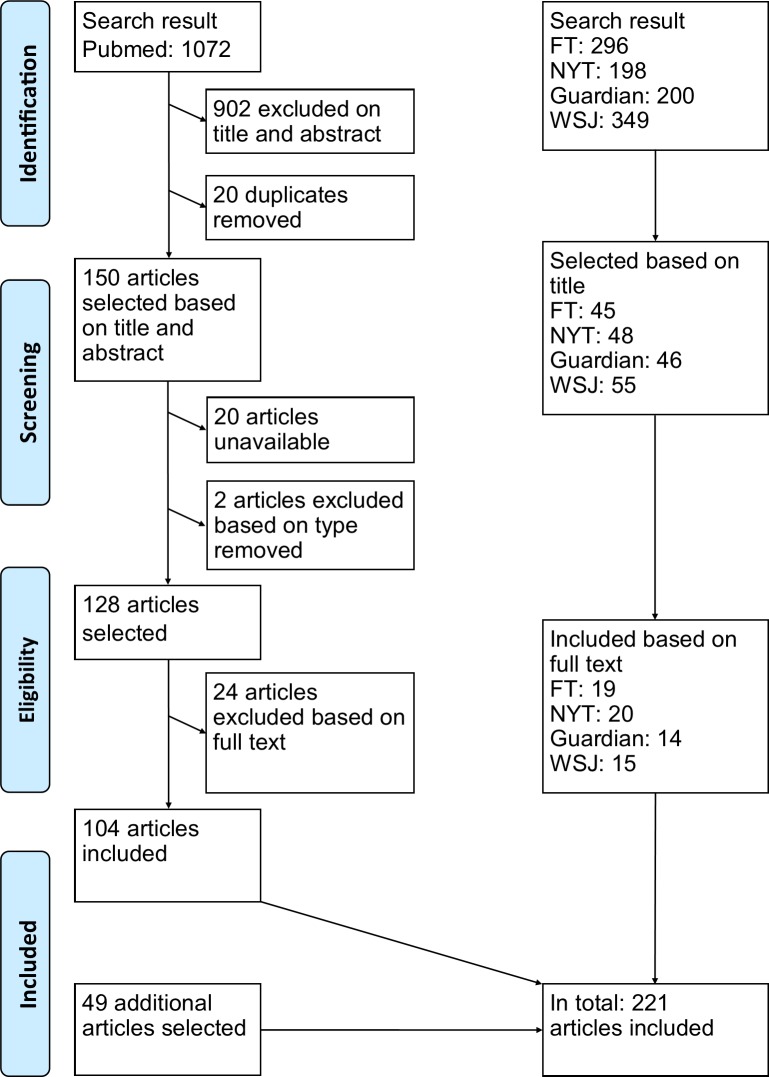
Method: A systematic review of Pubmed, the Financial Times, the New York Times, the Wall Street Journal and the Guardian was performed to identify articles related to the pricing of medicines.
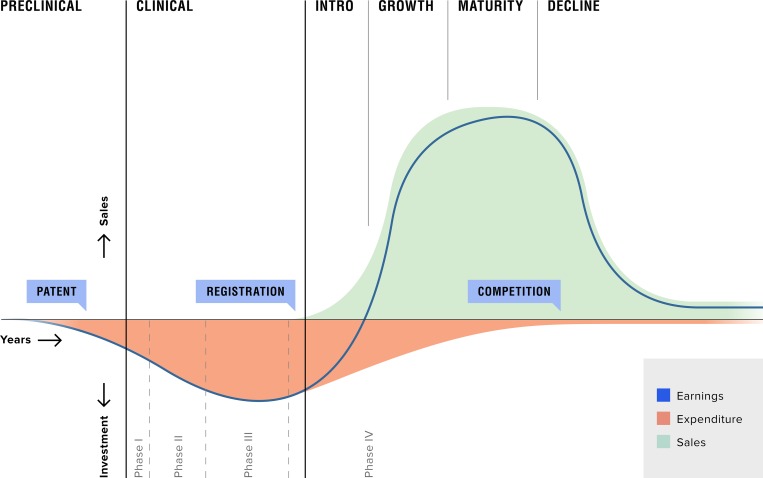
Findings: Changes in drug life cycles have dramatically affected patent medicine markets, which have long been considered a self-evident and self-sustainable source of income for highly profitable drug companies. Market failure in combination with high merger and acquisition activity in the sector have allowed price increases for even off-patent drugs. With market interventions and the introduction of QALY measures in health care, governments have tried to influence drug prices, but often encounter unintended consequences. Patent reform legislation, reference pricing, outcome-based pricing and incentivizing physicians and pharmacists to prescribe low-cost drugs are among the most promising short-term policy options. Due to the lack of systematic research on the effectiveness of policy measures, an increasing number of ad hoc decisions have been made with counterproductive effects on the availability of essential drugs. Future challenges demand new policies, for which recommendations are offered.
Conclusion: A fertile ground for high-priced drugs has been created by changes in drug life-cycle dynamics, the unintended effects of patent legislation, government policy measures and orphan drug programs. There is an urgent need for regulatory reform to curtail prices and safeguard equitable access to innovative medicines.
Conflict of interest statement
Figures
References
-
- Parker-Lue S, Santoro M, Koski G. The ethics and economics of pharmaceutical pricing. Annu Rev Pharmacol Toxicol 2015;55:191–206. doi: 10.1146/annurev-pharmtox-010814-124649 - DOI - PubMed
-
- Ward Andrew. Pharmaceuticals: Value over volume. Financial Times; 2015. September 24.
-
- Pollack A. Senators Condemn Price Rises for Drugs The New York Times; 2015. December 10.
-
- Kushnick HL. Pricing Cancer Drugs: When Does Pricing Become Profiteering? AMA J Ethics 2015. August;17(8):750–3. doi: 10.1001/journalofethics.2015.17.8.nlit1-1508 - DOI - PubMed
Publication types
MeSH terms
Substances
LinkOut - more resources
Full Text Sources
Other Literature Sources
